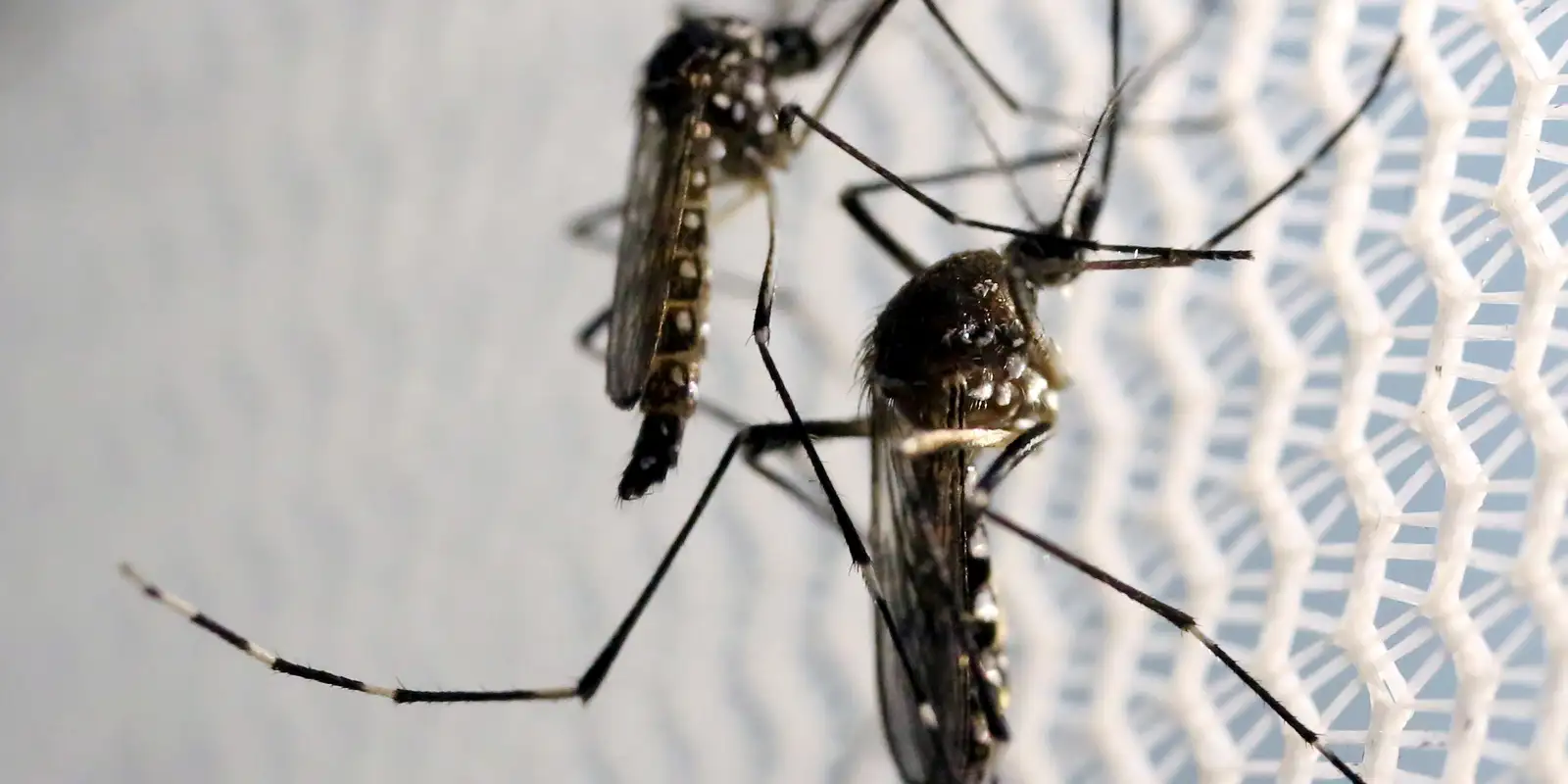
As part of the new campaign to prevent and control arboviruses entitled Don’t give dengue, Zika and chikungunya a chance, the Ministry of Health is promoting this Saturday (8), across the country, the national D-Day to combat the Aedes aegypti mosquito, which causes dengue. Local managers, health professionals, endemic disease agents, community leaders and the general population will participate in the joint effort. Awareness raising and cleaning efforts will be carried out in public places and homes.
More than 370 thousand professionals work daily to prevent arboviruses in all 5,570 Brazilian municipalities. Community Health Agents (CHA) guide families during home visits, distribute informative materials and encourage population participation. Endemic Disease Control Agents (ACE) carry out inspections, apply larvicides and record data that support the planning of surveillance actions.
The Minister of Health, Alexandre Padilha, highlighted that the action takes place even before the period of greatest dengue transmission, which is in the first half of the year.
“This is the time to raise awareness and engage the population and municipalities to identify critical points and eliminate mosquito breeding sites,” said Padilha. The minister believes that the use of new technologies, such as Wolbachia, is essential to contain the transmission of the vector.

Brasília (DF), 10/28/2025 – The Minister of Health, Alexandre Padilha, said that the action to combat diseases transmitted by the Aedes aegypti mosquito occurs even before the period of greatest dengue transmission, which is in the first half of the year. Photo-file: Marcelo Camargo/Agência Brasil – Marcelo Camargo/Agência Brasil
>>Dengue: Butantan vaccine should be available in early 2026
Fall
Until October 30th of this year, Brazil registered more than 1.6 million probable cases of dengue, showing a 75% drop compared to 2024. In the same period, around 1.6 thousand deaths were confirmed, a 72% reduction compared to the same period of the previous year. The states with the highest number of cases are: São Paulo (890 thousand), Minas Gerais (159.3 thousand), Paraná (107.1 thousand), Goiás (96.4 thousand) and Rio Grande do Sul (84.7 thousand).
Despite the reduction in cases, the Ministry of Health highlights the need for prevention actions among the population, considering that the 3rd Aedes aegypti Rapid Index Survey (LIRAa), carried out between August and October, shows that 30% of Brazilian municipalities are in a state of alert for dengue. In 3,200 cities, more than 80% of the larvae were found in containers such as plant pots, tires, bottles, water tanks, gutters, drains and even bromeliad leaves and tree cavities.
Investments
For the 2025/2026 biennium, the Ministry of Health will invest R$183.5 million in expanding the use of new vector control technologies, such as risk stratification, the Wolbachia method, Disseminating Stations (EDLs) and irradiated sterile mosquitoes.
Wolbachia Biofactory
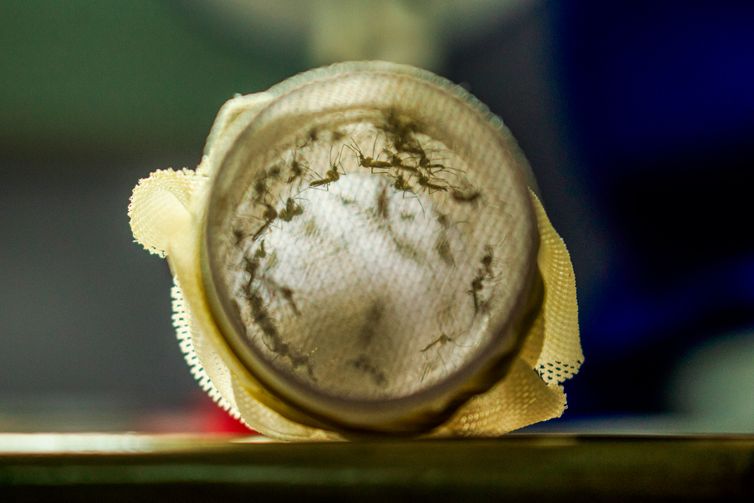
Rio de Janeiro (RJ) Mosquitoes with Wolbachia reduce dengue cases in Niterói. Photo: Flávio Carvalho/WMP Brasil/Fiocruz – Flávio Carvalho/WMP Brasil/Fiocruz
The Wolbachia method, which reduces the mosquito’s transmission capacity, has already been applied in 11 municipalities in eight states. In Niterói (RJ), there was an 89% reduction in cases of dengue, 60% of chikungunya and 37% of Zika. The forecast is to expand the technology to 70 cities by the end of 2026, including 13 of them in 2025.
According to the ministry, through its press office, in July this year, the largest Wolbachia biofactory in the world was inaugurated in Curitiba (PR), with capacity to produce 100 million eggs per week. The technology consists of producing mosquitoes infected with the Wolbachia bacteria, which blocks the development of viruses within Aedes aegypti, preventing their transmission.
2.3 million oral rehydration salts, 1.3 million diagnostic laboratory tests and 1,200 portable nebulizers to block transmission were also distributed, in addition to the continuous supply of larvicides and adulticides. In 2025 alone, 77,900 EDLs were installed in 26 municipalities, expanding the coverage of control actions.
>>Brasília gains mosquito biofactory with technology against dengue
Small actions
Small attitudes can save lives, says the Ministry of Health campaign. Among these recommendations, it is worth mentioning to store bottles, jars and vases upside down; dispose of PET bottles and other unused packaging; put sand in the dishes of plant pots; store tires in covered places or dispose of them at tire repair shops.
The ministry also recommends tying garbage bags well; keep the water tank, barrels and other water reservoirs clean and well closed; do not accumulate scrap and clean and dry air conditioning and refrigerator trays; eliminate water accumulated in the reservoirs of water purifiers and refrigerators; keep pool cleaning up to date; stretch the tarpaulins used to cover objects as much as possible and avoid the formation of puddles of water; and allow health agents to enter homes.
Symptoms
In case of fever, headache or pain behind the eyes, joint pain, nausea or spots on the skin, the advice is to immediately seek a Basic Health Unit. The use of medicines without a medical prescription can worsen the clinical condition, warns the ministry.
Hot seasons
The State Department of Health of Rio de Janeiro (SES-RJ) informed that it will anticipate the hot seasons to reduce the circulation of arboviruses and, consequently, the greater proliferation of the mosquito that causes dengue fever. The mobilization is part of the “Against Dengue Every Day” campaign and will take place this Saturday in all 92 municipalities in Rio de Janeiro.
The organization will carry out actions in the municipalities of Armação do Búzios, Resende and the capital of Rio de Janeiro, where the action will take place in Quinta da Boa Vista, in São Cristóvão, north of the city, from 9 am, to raise awareness about measures to contain the Aedes aegypti mosquito.
Two mobile units from the Secretariat will support the actions in Médio Paraíba and the Lagos Region, where there will be the distribution of educational materials and the exhibition of immature forms of the mosquito. The population will also be able to view the evolution phases of Aedes aegypti under a microscope. SES-RJ advises residents to carry out a weekly ten-minute patrol to avoid outbreaks.
Everyone’s mission

Rio de Janeiro – D-Day against dengue in Rio. Photo: Edu Kapps/SMS – Edu Kapps/SMS
The state’s Health Secretary, Claudia Mello, reinforced that “the fight against dengue is everyone’s mission. Therefore, we reinforce the importance of avoiding the accumulation of water in cans, empty bottles, uncovered water tanks, dishes under plant pots and other places. With just 10 minutes a week, we save lives. The Secretariat continues monitoring to evaluate the scenario and ensure the safety of the population”, she said.
At the beginning of the month, SES-RJ reactivated the Arbovirus Control Working Group, which will hold fortnightly meetings to define actions to control dengue, chikungunya, Oropouche fever and Zika. The committee guided a new round of training for health professionals from the state network and municipalities. Actions will be carried out in partnership with government bodies to mobilize the population.
Until the 4th of this month, 29,315 probable cases of dengue were registered in the year 2025, with 1,200 hospitalizations and 25 deaths. The data can be accessed on the Monitora RJ arbovirus panel (monitorar.saude.rj.gov.br). Last year, the state of Rio experienced a dengue epidemic, accounting for 302,674 probable cases, 9,726 hospitalizations and 232 deaths throughout the territory. The highest number of cases were recorded in the city of Rio de Janeiro (111,114 cases), followed by Volta Redonda (22,705 records) and Campos dos Goytacazes (19,588 cases).
Surveillance
In the city of Rio, the Municipal Health Department (SMS) is also holding, this Saturday, D-day to combat dengue, with special mobilization activities scheduled for all regions of the city. The action will carry out environmental surveillance inspections to prevent and control the Aedes aegypti mosquito in the territories, in addition to distributing informative material and guidance to users in health units and public places.
Activities will take place throughout the morning. Health professionals will be prepared to answer questions and guide the population regarding dengue care. The complete list of the municipality’s mobilization activities, with their respective addresses, is available for consultation at website from SMS.
“The objective is to mobilize the population in the prevention of arboviruses, focusing on combating Aedes aegypti. The best way to prevent diseases is to prevent mosquitoes from being born and, for this, we really need the population’s partnership. D-day is precisely to promote this awareness and gain this popular support that we so need to defeat the vector”, said the municipal secretary of Health, Daniel Soranz.
Control
The work to control arboviruses, both in residential areas and in places considered strategic points, including cemeteries, tire repair shops, junkyards, scrap or construction materials depots, bus garages, are carried out by SMS throughout the year. In the hot months, reinforcement actions occur due to the period of heavy rain, which favors the reproduction of mosquitoes.
Until November 1st of this year, environmental health surveillance agents made 10,291,786 visits to properties to prevent and control Aedes aegypti and treated or eliminated 1,424,953 containers that could serve as breeding sites. The population can also request an inspection or report possible mosquito outbreaks through the 1746 Citizen Service Center of Rio de Janeiro City Hall.