Eleven cultural projects will divide about R $ 5 million to value small Africa in central Rio de Janeiro. The resources will come from the National Bank for Economic and Social Development (BNDES) and supportive institutions. Projects proposed respectively by Casa Writing, the House of Aunt Ciata and the Institute between the sky and the favela are among the first places.
According to the organizers, the selected will contribute to the preservation and appreciation of African memory and heritage in the region of Little Africa. “At the same time, the notice guarantees direct investment that strengthens cultural manifestations and black organizations,” says BNDES.
The event was led by the Viva Pequeno Africa consortium, formed by the Marginalized Population Articulation Center (CEAP), Diaspora.black and Preta Feira. The consortium became the partner’s management of the notice after being selected in a public call held in 2023 by the bank.
>> Follow the channel of Brazil agency on WhatsApp
The choice of projects took into account the criteria of relevance, social impact, tradition and trajectory, organizational maturity, technical viability and articulation power. Casa Writing, a cultural space launched by the writer Conceição Evaristo in 2023, took first place. The place, located in Largo da Prainha, houses all its literary collection.
“We are talking about a written heritage, a bibliographic heritage, which without a doubt if it adds to other memories that are implemented in the region such as the memory of music, samba, culinary. We have come bringing this written memory,” explains Conceição Evaristo.

Paraty (RJ), 08/02/2025 – House of Writing, created by writer Conceição Evaristo was first in the choice of projects. Photo -Archive: Rovena Rosa/Agência Brasil Photo: Rovena Rosa/Agência Brasil – ROVENA ROSA/AGENCY BRAZIL
According to her, the notice enables to conclude the implementation of the project. “We will be able to work with teacher training, to work with the surrounding community.”
In second position is the Caminhos da Aunt Ciata project, aimed at promoting Afro-Brazilian knowledge through workshops, conversation wheels and experiences, including ancestral cuisine, samba and capoeira. The appreciation of Aunt Ciata’s memory, a central figure in the history of samba and black culture in Rio de Janeiro, structures the activities involved.
“Over the course of 12 months, we will carry out a series of actions aimed at schools, communities and the general public,” explains Gracy Mary Moreira, president of Aunt Ciata’s house.
“We believe that culture transforms, educates and builds bridges. We want to leave a lasting institutional legacy strengthening the role of Aunt Ciata’s house as a reference in the preservation of Afro-Brazilian memory.”
Cultural heritage
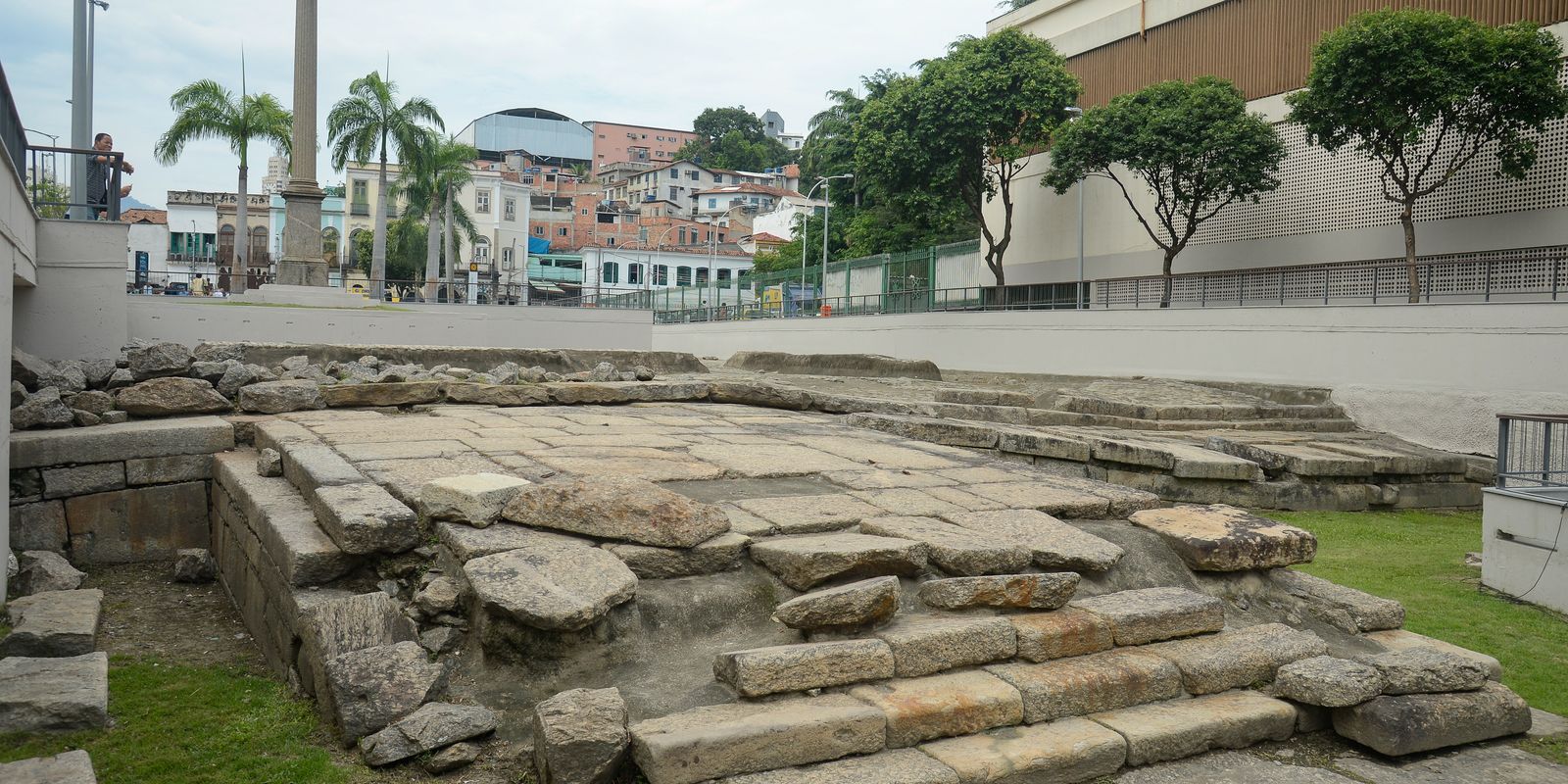
Located in the Rio de Janeiro port area, small Africa is marked by its historical relevance in the formation of Afro-Brazilian cultural identity. The region houses the Archaeological Site of Cais do Valongo, the main landing point of Africans enslaved in the Americas, recognized since 2017 as a World Heritage Site by the United Nations Education, Science and Culture Organization (UNESCO).
The region also became Afro-Brazilian historical-cultural heritage after the President Lula sanction federal law 15,203/2025on Friday (12).
The small Africa also encompasses the Largo da Prainha, the Museum of Afro-Brazilian History and Culture, Pedra do Sal, the Cemetery of the New Blacks and the House of Aunt Ciata, among other historical milestones of the Port Region of Rio de Janeiro.