Havana/The morning dawned in Havana somewhat cold, with a clear sky that failed to hide the blackouts in several municipalities and the water supply problems that continue to mark the routine in large areas of the city. To this daily landscape was added, early on, a last-minute official call: a rally at the Anti-imperialist Tribune, next to the Malecón, for an “act of denunciation of the US attacks against Venezuela”, after the capture of President Nicolás Maduro by United States troops.
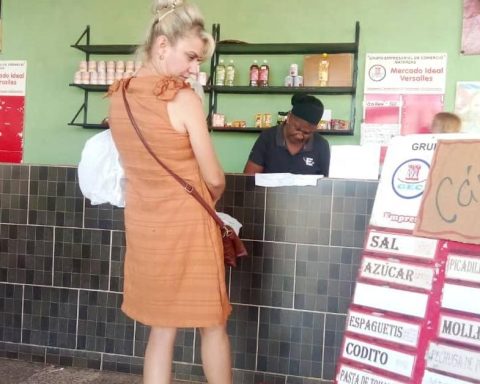
While the Electrical Union warned that the generation deficit for this day would exceed 1,600 MWat bus stops and in doorways there was less talk about the energy part than about what happened in Caracas. The topic crossed the city quickly. In the popular market of La Cuevita, in San Miguel del Padrón, the pulse of the conversation seemed more intense than in the Anti-imperialist Tribune itself.
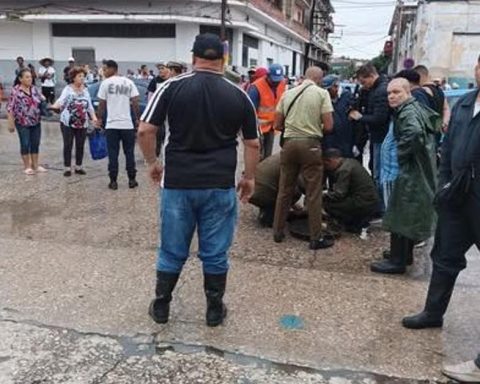
Among the stalls selling jewelry, clothing and household items, the comment was almost unanimous: “Did you see what happened about Maduro?” There were those who boasted: “That doesn’t happen here, because at least one or two helicopters knock it down,” said a man while offering tennis shoes and t-shirts. Others preferred sarcasm and emphasized “how easy” it had been for US special troops to capture the Venezuelan president and his wife, Cilia Flores. “It seemed like a movie,” said a young man, with his cell phone in his hand, reviewing headlines.
A woman assured that “everything was planned” and that without the complicity of Havana it would not have been possible for the Venezuelan ruler to fall into the hands of Washington
There was no shortage of conspiracy theories. A woman claimed that “everything was planned” and that without the complicity of Havana it would not have been possible for the Venezuelan ruler to fall into the hands of Washington. “But we can rest assured because in Cuba there is nothing that interests Americans,” he said, while choosing a scrubbing pad. A few meters away, a household goods seller commented to 14ymedio that “surely now an oil supply cut is coming and everything here is going to get even more heated,” a concern that resonated more strongly than any slogan.
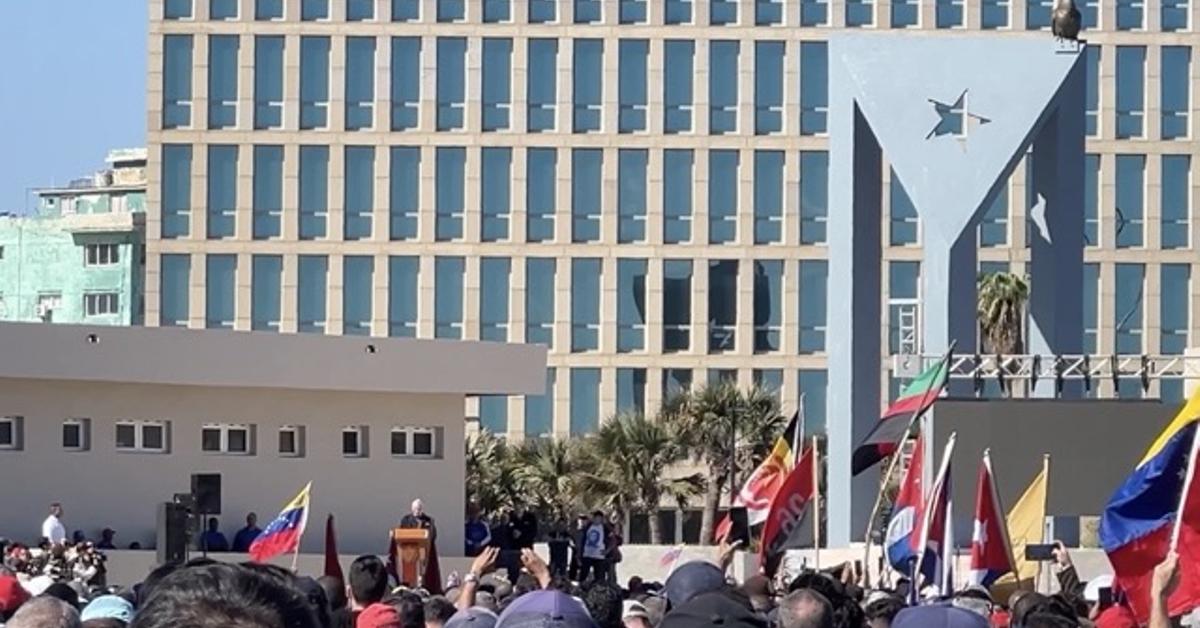
That restless murmur contrasted with the scene that was taking place in the Anti-imperialist Tribune, in front of the United States Embassy in Havana. There, by mid-morning, hundreds of people had gathered with little enthusiasm. Many arrived in groups called by their work centers and tried to protect themselves from the sea breeze that this January is not only loaded with saltpeter but also with a cold that sneaks in through their coats.
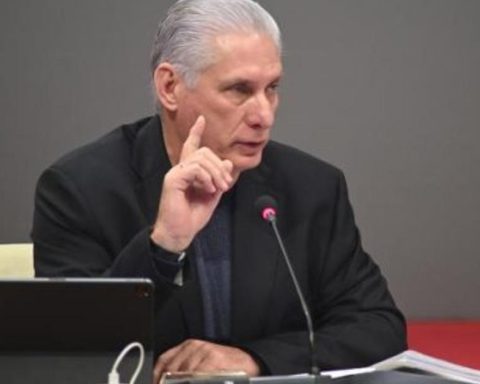
The event began with predictable speeches, loaded with references to “imperialism” and the defense of regional sovereignty. Miguel Díaz-Canel spoke with a tone that sounded nervous. The hoarse voice, the attempts to raise the volume and forced gestures transmitted more tension than firmness. From the audience, some listened in silence; Others took the opportunity to check their cell phones or chat in a low voice. The solemnity of the leaders contrasted with the evident fatigue among those summoned.
/ 14ymedio
Unlike La Cuevita, where the debate was spontaneous and at times scathing, in the Tribune the atmosphere seemed encapsulated, oblivious to the immediate concerns of the people. A few minutes after Díaz-Canel concluded his speech, the stampede began. Entire groups retreated almost in unison, seeking to get away from the wind, looking for a bus or simply thinking about returning home before the next blackout.
On the way back, the city continued talking about Venezuela. In a line to buy bread, someone asked if “Venezuelan oil is gone now.” In a park, two retirees argued about how Maduro will behave before American judges. “Change is coming close to us,” summarized a pedicab driver who, wearing long sleeves and sunglasses, was trying to convince a couple of tourists to get into his vehicle.