MIAMI, United States. – The Cuban regime would have allowed private companies to import fuel in an attempt to alleviate the serious crisis facing the country. The information was confirmed to Martí News by several sources with knowledge of decisions taken in Havana, although the measure has not been officially announced.
“The situation is critical within Cuba right now. Private companies, MSMEs [micro, pequeñas y medianas empresas]”They have nearly 12,000 tons of food in the port of Mariel, many of them on the verge of spoiling, with no possibility of distribution due to lack of fuel,” said one of the sources consulted by Martí News.
According to the media, all the people interviewed requested anonymity because they are not authorized to publicly declare about government decisions.
Until the fall of Nicolás Maduro, the island’s regime covered most of its energy needs with supplies from the South American country and Mexico, considered one of Havana’s main energy allies. However, the Aztec country suspended, at least temporarily, following the presidential decree launched by Donald Trump earlier this month.
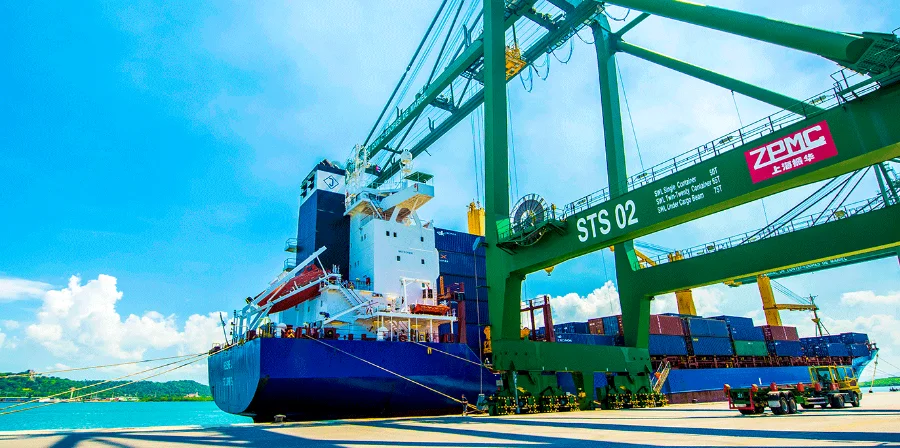
In this scenario, the sources consulted by Martí News They assured that diesel shipments were already being made in isotanks from different countries. “About 24,000 liters can be transported in each isotank and delivery is made in the port of Mariel directly to consumers,” indicated one of them.
Isotanks are cylindrical stainless steel containers mounted within a rectangular structure with standard dimensions, which allows them to be transported on ships, trucks or trains under the same logistics as a conventional container. Specialists cited in the report pointed out that this format allows for fractional and more discreet shipments than traditional shipments in large tankers.
In a brief phone call, the representative of Joe Supply—a company based in South Florida that promotes the supply of fuel to Cuba—told Martí News that he had not been able to complete the shipment due to “logistical issues”, without providing more details.
last week transcended that the United States would be considering sending small amounts of fuel to Cuba—gas for cooking and diesel to keep the hydraulic infrastructure running—with the aim of avoiding a humanitarian crisis.
the british magazine The Economist He also noted that the White House does not seem willing to go that far and, instead, hopes that the fuel shortage will force the Cuban government to sit down to negotiate. Until now, Cuban officials have rejected the idea that there is any substantive progress and have indicated that the talks have been preliminary. They have also reiterated that, although they are open to dialogue, they will not modify their communist one-party system.