The statement describes Trump’s executive order as “an extreme action” riddled with “lies” and “defamatory accusations against Cuba.”
LIMA, Peru – The Castro dictatorship published this Friday an official statement of “condemnation and denunciation” of the decision of US President Donald Trump to declare a national emergency for the “policies, practices and actions of the Government of Cuba”, describing the measure as “a new escalation” of hostility against the Island.
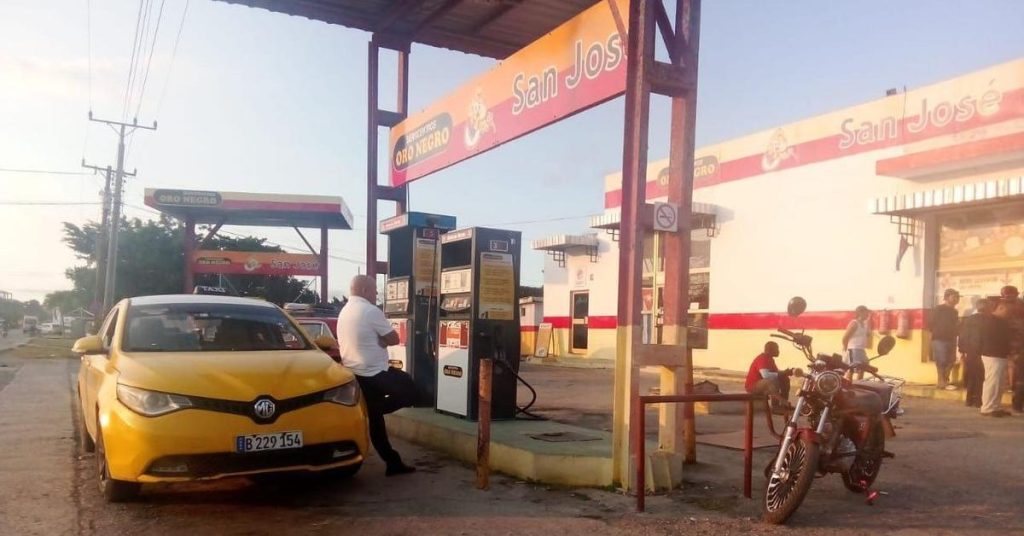
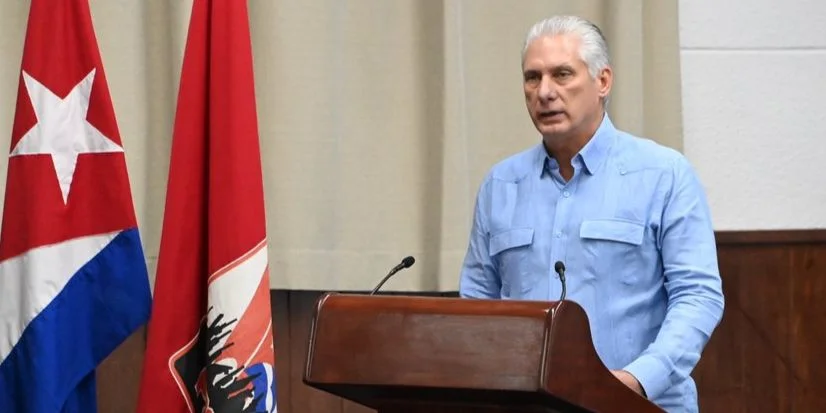
In one official note of the Ministry of Foreign Affairs (MINREX) and shared by the dictator Miguel Díaz-Canel, the regime accused the White House of “imposing an absolute blockade on fuel supplies” to the Caribbean country.
The statement describes Trump’s executive order as “an extreme action” riddled with “lies” and “defamatory accusations against Cuba.”
According to Castro’s discourse, the assertion that Cuba constitutes an “unusual and extraordinary threat” to the national security of the United States is “absurd.” Instead, he assures that it is Washington that “attacks the security, stability and peace of the region and the world.”
The official narrative of the Communist Party highlighted that Cuba “is a country of peace, solidarity and cooperation,” home of “a brave and combative people.”
“The international community has before it the unavoidable challenge of defining whether a crime of this nature could be the sign of what is to come or whether sanity, solidarity and the rejection of aggression, impunity and abuse will prevail,” the declaration states.
The official note expands on the recent positions of the ruler Díaz-Canel and the head of MINREX, Bruno Rodríguez, who used a similar speech to reject the new measures of the US government.
According to Diaz-Canel Trump’s order on Cuba is “a mendacious pretext and empty of arguments” designed to “suffocate the Cuban economy.”
In an openly confrontational tone, Díaz-Canel accused the US administration of acting with a “fascist, criminal and genocidal nature,” and of having “hijacked the interests of the American people for purely personal purposes.”
Both the statement of the Cuban Government and the reactions of its leaders avoid any reference to the structural crisis of the energy system on the Island, marked by decades of poor state management, lack of investment, corruption and dependence on external allies, factors that have caused prolonged blackouts throughout the country and a sustained deterioration in the living conditions of the population.
They also do not mention the impact of the regime’s own internal decisions on the current energy emergency, nor do they assume responsibility for the collapse of key infrastructure, while exclusively attributing the situation to the US embargo.