“We are facing an energy siege with direct implications in the lives of Cubans, in the life of the Cuban family,” said the Minister of Public Health of Cuba, José Ángel Portal Miranda, when referring to the impact of US sanctions on the island’s health system.
In exclusive interview with The Associated Press (AP)Portal Miranda pointed out that “You cannot damage the economy of a State without impacting the inhabitants.”
The #Health It should not be conditioned by political disputes. The impact of the current energy fence transcends the Government.
When power fails, vital services are strained, and when that happens, people, especially the most vulnerable, pay the risks. pic.twitter.com/ZXvfTsaAYf— José Angel Portal Miranda (@japortalmiranda) February 23, 2026
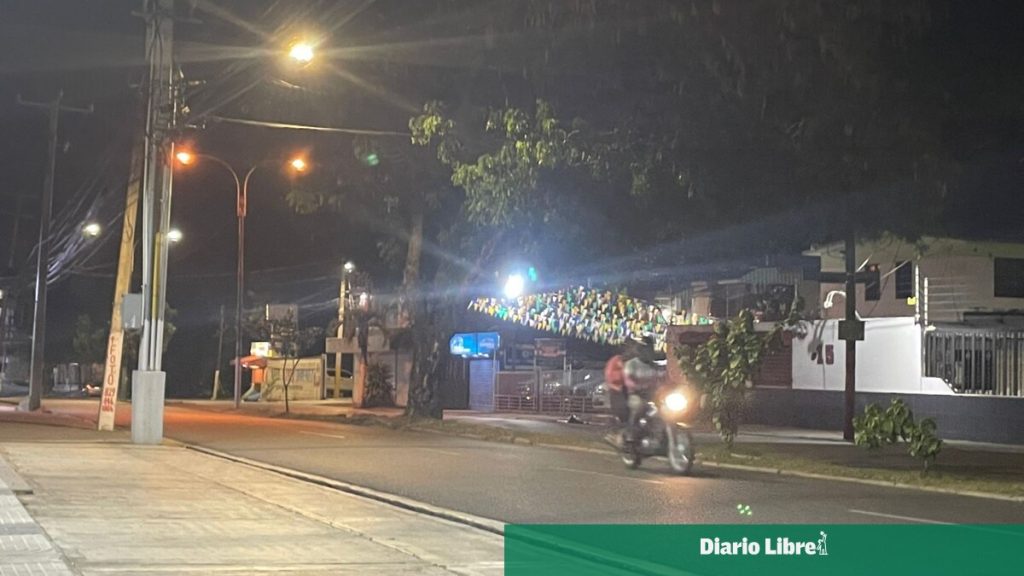
The energy deficit caused by Washington’s oil blockade already affects essential services.
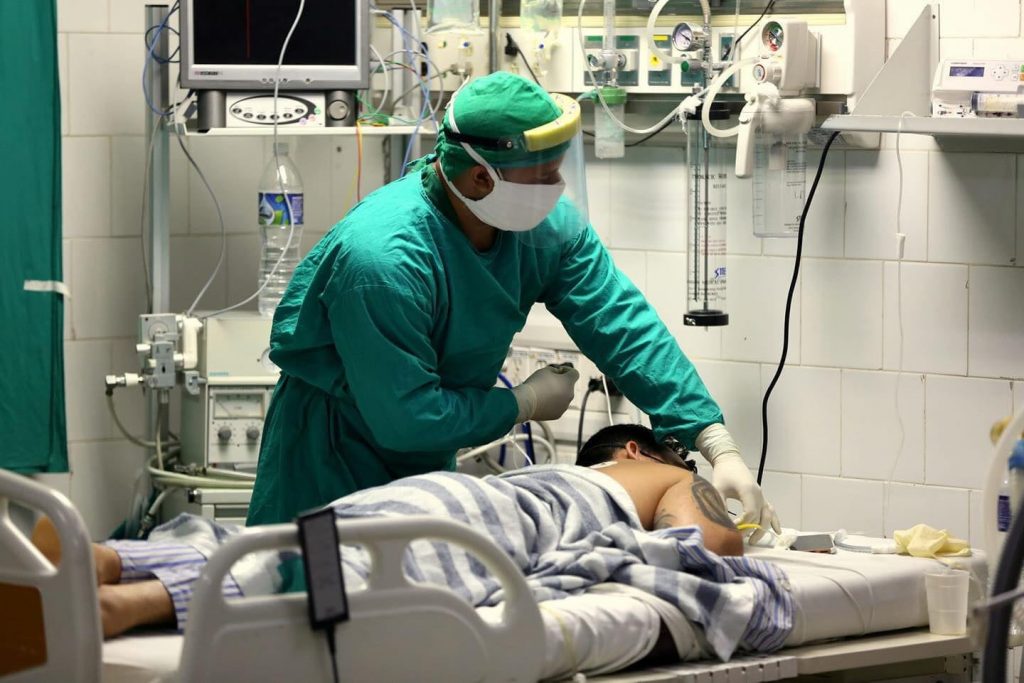
From effects on the ambulance service to blackouts in hospitals and the suspension of flights with medical suppliesthe health system is being severely affected.
Two weeks ago, US President Donald Trump signed a order threatening to impose tariffs to countries that sell or supply oil to Cuba, a decision that, according to Cuban authorities, immediately deepened the energy crisis.
The situation had worsened after Trump’s attack on Venezuela on January 3 and the capture of then-president Nicolás Maduro, a key supplier of crude oil to the island.
Portal Miranda: “This situation can put lives at risk”
“It is not rhetoric to affirm that this situation can put the life at risk“, Portal stressed. “The pressure we face from the energy deficit transcends the economic and enters the realm of basic human security.”
The minister explained that in Cuba there are five million people with chronic diseases that could see their treatments affected.
Among them, 16 thousand cancer patients who need radiotherapy and 12,400 who require chemotherapy.
He also mentioned impacts on nephrology services and emergencies that depend on operational ambulances.
He recognized that the most compromised areas are those of greatest complexity, such as cardiology, orthopedics, oncology and the care of seriously ill patients who require constant electrical backup.
The Cuban health system extends from family offices to specialized hospitals, with subsidized medications in state pharmacies.
Public Health System in crisis in the face of the energy fence
However, the economic crisis that began five years ago after the pandemic and the tightening of sanctions had already deteriorated the infrastructure, causing a shortage of medicines and the emigration of thousands of doctors.
Even before the current energy siege, prolonged blackouts forced many medical centers to operate on generators, often without spare parts or enough fuel, he noted. AP.
On the streets, the concern is palpable. Patients and relatives consulted reported a progressive deterioration in the care conditionsespecially in sensitive areas such as maternity and at-risk patients.
Faced with this scenario, Portal explained that “gradual” measures are being implemented to mitigate the impact: installation of solar panels in polyclinics, prioritization of minors and the elderly, territorial reorganization of services and transfer of doctors to centers close to their homes.
He also recognized greater restrictions in the use of diagnostic technologies, which will force traditional clinical methods to be reinforced.
Despite the limitations, the minister was emphatic: “The State remains responsible for maintaining the health of our people.”
Cuba on the verge of “zero hour”: International expert warns of possible energy collapse