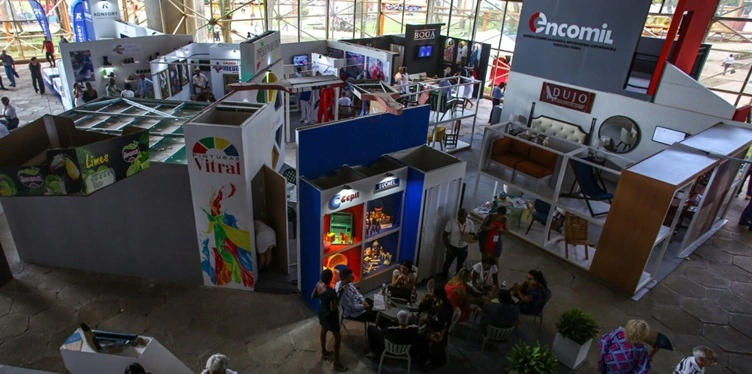
FIHAV will be held from November 24 to 29 at Expocuba, while the Government is betting on five new thematic areas to attract foreign investment.
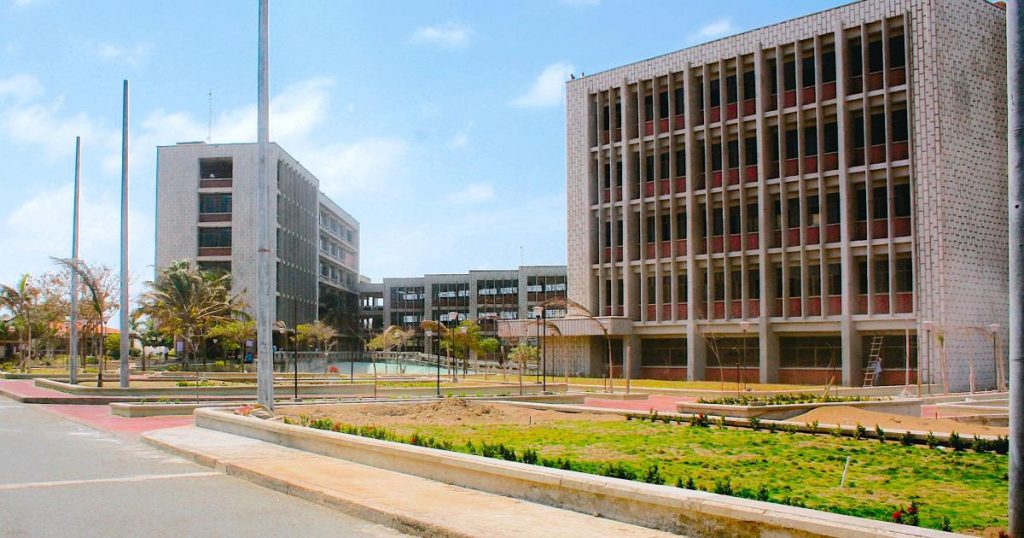
MADRID, Spain.- The Cuban Government confirmed this Wednesday the holding of the 41st edition of the Havana International Fair (FIHAV), which will take place from November 24 to 29 at the Expocuba site, even when the country faces one of its most critical moments in decades.
The fair – the country’s main external commercial showcase – will be held in the middle of prolonged blackoutsdeficiencies in the water supply, food shortages and an evident deterioration of public infrastructure. Added to this reality are citizen complaints about the collapse of transportation, the lack of medicines and the growing limitations to satisfy basic needs.
Despite this scenario, the Ministry of Foreign Trade and Foreign Investment insisted that the event will have broad international participation. Specifically, it has been announced that FIHAV 2025 will deploy five new thematic areas with the aim of “boosting business”:
- Tourism
- Artificial intelligence
- Made in Cuba
- Renewable energies
- Economic integration
These areas, according to the authorities, aim to direct attention towards specific sectors of investment and commercial cooperation, which, in official discourse, reflects a commitment to diversify the entry of foreign capital and reactivate productive mechanisms.
However, various analysts and citizens remember that these types of initiatives benefit state companies, groups with privileged access to foreign currency and actors with established relationships with power, while the real impact on the daily life of the population is minimal. The expectation of “promoting foreign investment” contrasts with the experience of families who daily face severe limitations in meeting basic needs.
The contrast between the image of international openness that the Government seeks to project and the structural conditions that millions of Cubans experience once again puts on the table who really benefits the FIHAV and this type of events and what their practical usefulness is in the face of a stagnant economy, with deficient internal production and dependence on imports.
While the country continues to show no signs of recovery, the fair stands as another symbol of official priorities: a large commercial exhibition in a context of persistent social and economic crisis.