The Assembly of Cuban Filmmakers (ACC) denounced this Monday that Resolution 61 of the Ministry of Culture, in force since January 1, 2026, constitutes “another blow, this time fiscal” against independent cinema on the island.
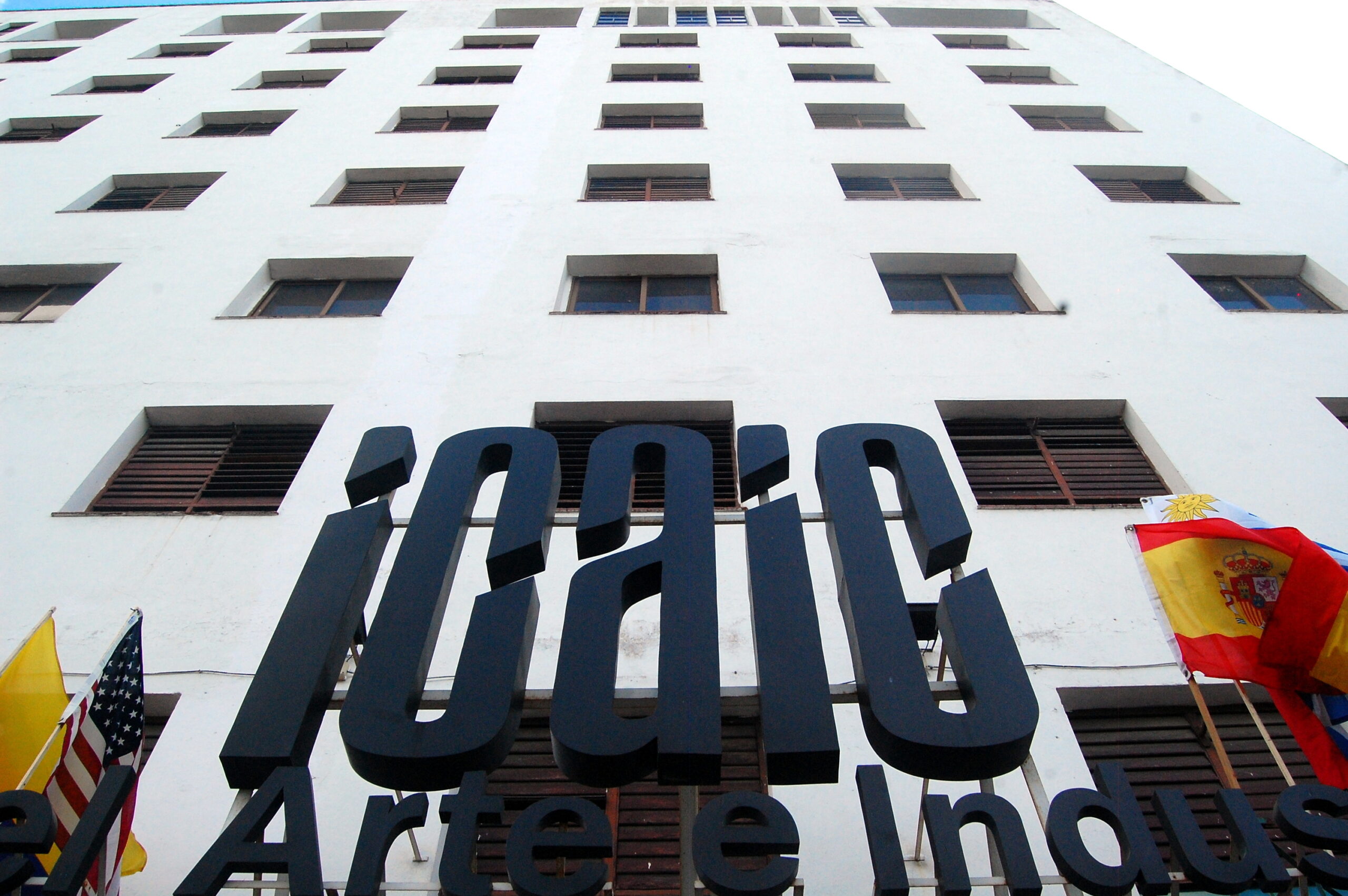
The organization, which is not recognized by the country’s cultural institutions, maintains in a statement that the new norm turns the Cuban Institute of Cinematographic Art and Industry (ICAIC) into a mandatory intermediary that charges for permits and basic procedures, imposing fees that, according to the filmmakers, suffocate creation and consolidate a mechanism of economic censorship.
An ignored historical claim
For almost two decades, filmmakers have demanded the approval of a Film Law that organizes and enhances the Cuban audiovisual ecosystem. Instead of such legislation, authorities have issued resolutions and regulations without a broad consultation process.
The ACC recalls that achievements such as the Development Fund were intervened and reconfigured, which they consider part of “reverse engineering of censorship.”
Resolution 61, they claim, is part of that same logic, by imposing a tariff that privatizes access to public spaces and bureaucratizes production.
Rates that turn the city into merchandise
The approved text establishes charges in Cuban pesos and in foreign currency in the case of foreigners to film in streets, squares, protected areas and even for the use of drones.
According to the Single Annex, a day of filming in a main block can cost 4,500 CUP, while drone permits reach 12,000 CUP. For urgent procedures, costs can reach 9,600 CUP. In the case of foreign productions, rates range between 75 and 266 euros per location or service, with limited discounts if a majority of Cuban personnel are used.
The ACC warns that these figures represent an insurmountable barrier for students, documentary filmmakers and independent groups. “Our skies, coasts and seas become merchandise, accessible only to those who can pay,” the statement states. The consequence, they add, is that cultural diversity is reduced to projects with institutional support or external financing.
The most obvious victims: students and young filmmakers
One of the most critical points for the union is the effect on the training of new talents. The Resolution contemplates discounts for student projects and fund winners of 50%, but the filmmakers assure that these do not reflect the reality of a sector where parents and students themselves finance the majority of the works.
Teaching exercises and degree theses, they warn, will be out of reach in the face of rates that exceed months of average salary. “The rule directly hits students, who will not be able to assume the designed costs,” emphasizes the ACC.
Icaic, monopoly for production
The Assembly questions that Icaic thus becomes a mandatory intermediary to manage permits that involve external entities such as immigration, customs or captaincies. This scheme, they say, creates a state monopoly that makes production more expensive and opens the door to bureaucratic delays and discretionary controls.
“Centralized control could be used to censor unwanted projects, since permission depends on their implicit approval,” the document warns.
The absence of maximum processing times and formal complaint channels aggravates legal uncertainty. For filmmakers, the resolution is not a mere administrative procedure, but a barrier that conditions art to economic capacity and limits free expression.
Culture, a business?
The ACC maintains that Resolution 61 perverts the constitutional mandate that grants the Minister of Culture the power to regulate the sector. Instead of encouraging creation, it turns culture into a state business.
“This does not develop production, as Agreement 9941 intends, but rather suffocates it under layers of monetized bureaucracy,” the statement states. Public space, they add, ceases to be a common good and becomes a capitalized resource.
The filmmakers remember that much of Cuban cinema, especially documentary, needs the street, the city and interaction with the real social fabric. Taxing this production, they warn, can silence critical views and the neorealist vocation that distinguished the new Latin American cinema.
“Reality is collective and expresses the life of our people, understood as the true producers of much of the cinema we make,” states the ACC. Privatizing that right, they add, goes against free expression and citizen rights.
Lack of transparency and predictability
The ACC also criticizes the lack of clear criteria to distinguish between different types of productions. The differentiations are relegated to the Single Annex, which reduces the transparency of the tariff regime. In addition, the resolution does not include the value of tax rates on stamps or additional tariffs, which adds unpredictable costs. “How high can the real costs derived from this rule rise then?” ask the filmmakers.
Faced with these criticisms, the ACC proposes to pause the implementation of Resolution 61 and open a real exchange on the needs of national cinema.
The statement insists on the importance of working together for a Film Law that articulates the entire ecosystem—Film Commission, Development Fund, co-productions, tax incentives, exhibition and heritage—around a common philosophy where the promotion of cinematography and its access to the public are the center.
“Ordering implies enhancing, not suffocating. If the price of filming is to make it unviable, then they are not defending our cinema: they are censoring it economically,” the statement concludes.