The official culture imposed by the regime has silenced voices and manipulated symbols for decades, but artistic expression has resisted inside and outside the Island.
HAVANA, Cuba.- Every October 20, to commemorate the first time the national anthem was sung publicly (in Bayamo – 1868), “La Bayamesa”, by Perucho Figueredo, National Culture Day is celebrated in Cuba.
Only that the culture that is honored is the one that the communist bosses accept and consider as such, the official one, including rubbish and pamphlets. The culture of “everything within the Revolution”, which excludes exiles and dissidents. The one kidnapped by Castroism to use her as a shield and spear, but not for the nation, as they often repeat, but for the dictatorship.
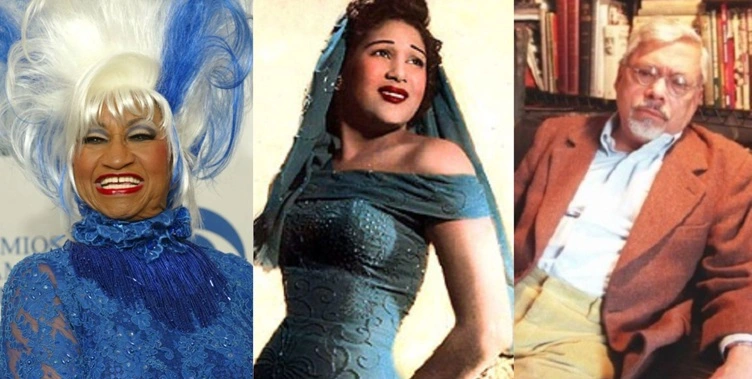
A culture that privileges Juan Almeida, Miguel Barnet and the memories of any FAR general about Cabrera Infante; to Eduardo Torres Cuevas and Eusebio Leal about Fernando Ortiz; to Colmenita about Virgilio Piñera, to Silvio about Lecuona, to Sara González about Celia Cruz and Olga Guillot, and it’s almost time for Bebeshito to beat Benny Moré.
It is a culture that has not yet healed the wounds of Gray Decadewhen the curators, by dint of prohibitions and ostracism, devastated Cuban art in their attempt to pigeonhole it within the canons of socialist realism.
But socialist realism and its executors, the Castro commissars, cannot be blamed alone for the mystifications and idealizations in Cuban culture, which have been numerous and began centuries before, even before the national identity was formed.
This happens, for example, with Landaluce’s engravings, which, because they are so idyllic, almost make you feel longing for colonial times and slavery. And what can we say about the Siboneyism of the poets Plácido and José Fornaris, who idealized the primitive society of the aborigines that had been annihilated two centuries earlier by the Spanish conquerors.
This romantic and unreal vision was enthusiastically followed by the criollistas Eduardo Sánchez de Fuentes, Gustavo Sánchez Galarraga and others, who appropriated the huts, not to reflect the harsh reality of the Cuban countryside, but to serve as the background and setting for corny poems and songs, such as those about “the love of my hut” and “the little white hand that says goodbye to me.”
It was similar to what would happen later with the lots and quarters of Havana, converted thanks to cinema and video clips into temples of dance, rumba, sensuality – preferably mulatto and black – and gozadera, and not the depressing warehouses of very poor people, marginalized and castaways from society that they really were and still are.
The writers of Orígenes did not escape the mystifications and more or less interested idealizations, with their teleological-Catholic-bourgeois vision of what they believed Cuba should be.
Paradiseof José Lezama Limais a monument of a novel, but it becomes distant from reality due to so much intellect and sophistication. Its protagonist, José Cemí, is as representative of a Cuban from Havana as Ignatius Reilly from John Kennedy Toole’s “A Conjuring of Dunces” would be of an American from New Orleans.
Much of today’s Cuban art is populated with false symbols, such as Kcho’s little boats. They have been created by artists who have lost touch with reality and who, out of convenience, cowardice or escapism, avoid finding it.
Thus, with so much adulterated reality, in the midst of today’s national chaos, as the Castro-revolutionary hagiography no longer sells much beyond the marketing related to Che Guevara, we have arrived at the colorful tourist postcard that they have turned us into with destination abroad.
Now, what is best known about Cuba in the world is what is promoted: the beaches, the rum, the cigars, the cheap sex, the cast music, the folkloric Santeria as props; old American cars with Russian and Chinese parts in their guts; Old Havana with rouge; the ruins that certain tourists rush to visit “before communism falls and everything changes,” as certain idiots have the nerve to confess, convinced as they are of our virtuous resignation to subsisting eternally miserable, in poverty, but happy, ready to entertain them. The image that they created for us and that we accepted, as busy as we were surviving the Castro experiments.
Despite all this, Cuban culture, the true one, on the Island and dispersed throughout the world, resists and survives.