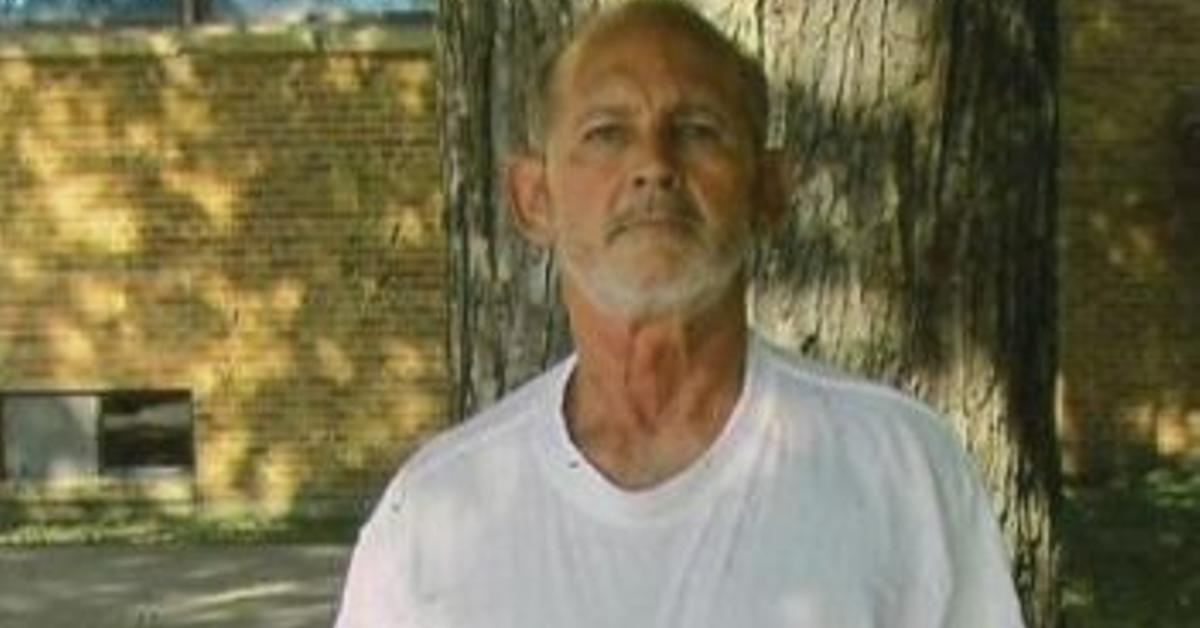
Havana/Cuban anti -communist Eduardo Arocena died on Wednesday morning at his home in Miami, four years after the United States government condon, for humanitarian reasons, the two perpetual chains to which he had been convicted.
“Good father, good husband. He did everything that, physically, a person could do for Cuba,” his son declared Frank Arocena a Martí News.
In 2021, and after 39 years in prison, Arocena was released. His health, already deteriorated since in 2011 he suffered a stroke, worsened in recent years. The anti -Castro was 81 years old.
The Federal Bureau of Research (FBI) accused him of being “behind at least two murders and thirty explosions in New York, New Jersey and Florida.” Leader of the Omega 7 organization, he was found guilty in an American court of 25 crimes, including false testimony before a grand jury.
It was considered by activists and Cuban exile as the oldest political prisoner in the world
Among the most notorious actions of the group were the murder, in 1980, of Félix García Rodríguez, aggregate of the Cuban diplomatic mission against the United Nations, as well as attacks against the Lincoln Center for Performing Arts, Diplomatic Missions of Cuba and the Soviet Union in the UN and several companies with businesses on the island. It was also linked to an explosion plan at the John F. Kennedy, from New York, in March 1979.
The prison marked the whole family. In 2017, Miriam Arocena, the opponent’s wife, suffered a cerebral infarction after visiting him in jail to renew his marriage votes. “What I saw was so heartbreaking, my heart broke,” he said then. She herself, in 2021, acknowledged to America that she did not expect her release: “He is very sick, in a critical condition. He cannot speak. But at least his children and me will take care of him.”
Considered by activists and Cuban exile as the oldest political prisoner in the world, Arocena appeared on several occasions before the United States justice to request clemency, without success. In 2017, his defense tried to take advantage of the arrival of Donald Trump to the White House to insist on the commutation of the penalty, after the then President Barack Obama denied forgiveness.
The life of Eduardo Arocena was marked by exile, the violent militancy against Castroism and almost four decades after bars. His death, in the south of Florida, closes a chapter of the history of radical anti -Castroism in the United States.