The Government of Cuba assured this Thursday at the COP30 leaders’ meeting that the powerful Hurricane Melissa, which hit the Caribbean country last week, is “direct evidence that climate change is real.”
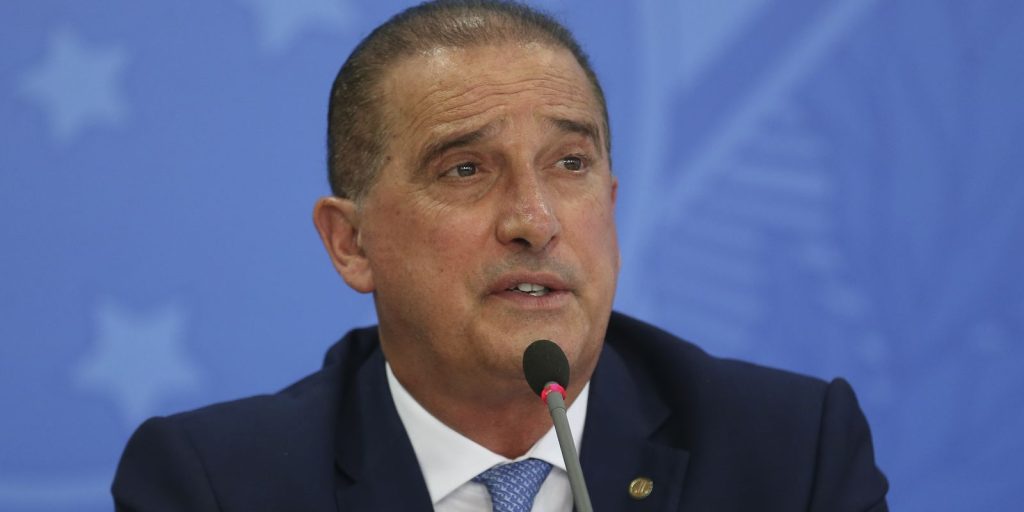
When speaking in the plenary session, the deputy prime minister of Cuba Eduardo Martínez linked global warming with the hurricane that crossed the east of the island a week ago.
According to preliminary UN estimates, nearly 2.2 million people in the Cuban provinces of Granma, Santiago de Cuba, Holguín and Guantánamo “have been severely impacted with critical impacts on housing, basic services, communications, livelihoods and a threat to food security.”
For this reason, the Climate Summit, Martínez added, is the time to “renew” the “will” of the international community in the fight against climate change. climate change and to promote common efforts.
In #COP30deputy prime minister of #Cuba Eduardo Martínez Díaz @EdMartDiaz:
demands access and expansion of financing, including for small island states
reiterates commitment to #Cuba with multilateralism and with the Paris Convention and Agreement process
pic.twitter.com/CrJMyhgua8— Ministry of Science, Technology and Environment (@citmacuba) November 6, 2025
Cuba at COP30
However, he added, the event will take place in an “unfavorable context” because development models and lifestyles that cause the climate crisis continue to be maintained, which “do not correspond to the needs of the present.”
“The current international economic order needs profound and accelerated changes,” said Martínez, who also regretted that the countries that have contributed the least to climate change are left “to their fate.”
The deputy prime minister also criticized the lack of international condemnation of the United States for its “unilateral exit” from the Paris Agreementwhich in 2015 achieved a global consensus to limit the rise in temperatures to 1.5 degrees Celsius compared to pre-industrial values.
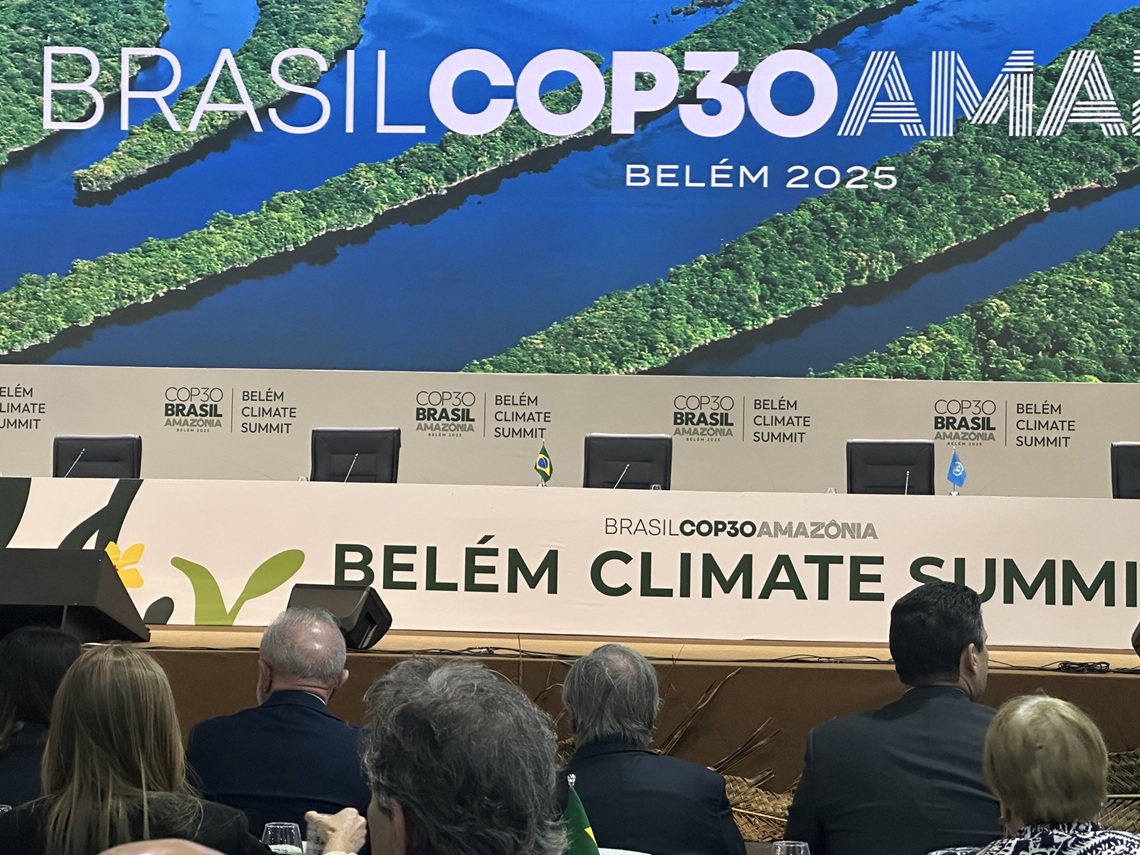
Martínez stressed Cuba’s “commitment” to multilateralism in the climate field and advocated mobilizing at COP30, which will take place from November 10 to 21 in Belém (Brazil), the political “will” to “amplify climate ambition.”
Cuba has historically defended that the biggest polluters—the industrialized countries—must technologically and financially support developing nations to achieve a green transition.
A task for an entire century: the Cuban plan against climate change
The island has an environmental law called Task Lifewhose implementation has been limited by the deep crisis suffered by the country.
Currently, around 90% of the energy produced on the island comes from fossil fuels.
This year, a program began to build nearly one hundred solar parks in the country with the support of China.