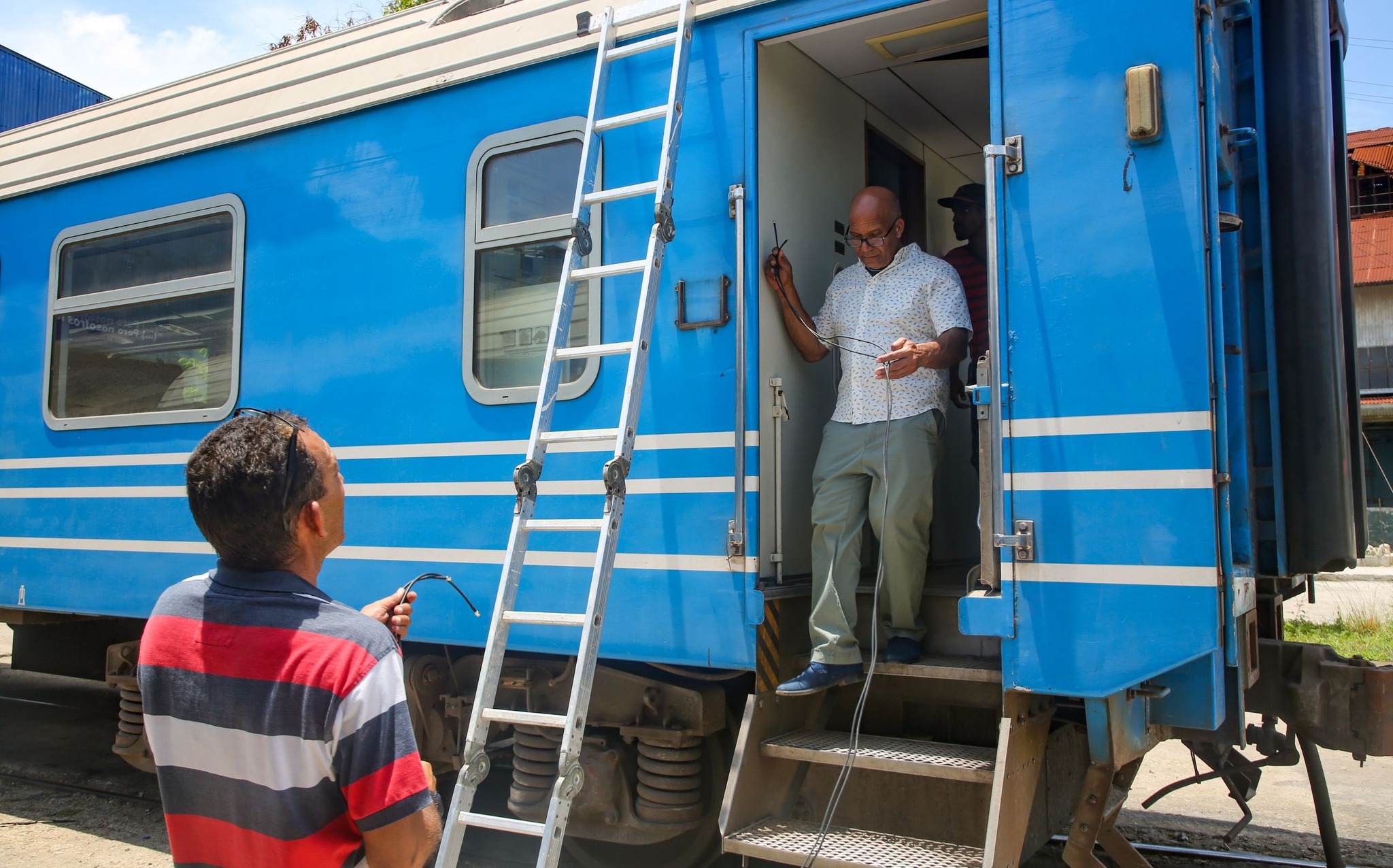
More than two years after his ad, and after intermittent news about the works and difficulties for their implementation, finally the field tests began for the establishment of Wi -Fi services in the national trains.
The first test, officially considered “a relevant step towards the modernization of rail transport”, was developed on August 7 by the Cuban company Solintel SA, belonging to the business group of computer science and telecommunications (GEIC), As reported The newspaper Granma.
The evaluations, carried out with Etecsa and the Railway Company of Communication, Signaling, Computer and Electricity (Cosie) technology, were qualified as successful by the specialists.
According to the official publication, the test was developed in car 6407 of the train that covers the Havana-Guantánamo route, as part of the “validation phase of the proposed technological structure and the quality of Internet services”.
For its part, the company in charge of national trains explained that the tests seek “the development of technological solutions to improve the experience of passengers” and that during the same the signal intensity, bandwidth and coverage in the wagons were evaluated.
For them, technical pre -installation was carried out in the Francisco Vega Sánchez rail workshop, in Luyanó, in order to expedite the measurements without the need for the final installation, which will require perforations and structured wiring.
Project interiorities
As needed Granmathis project is the materialization of a proposal of a base forum, also the winner of the Innova 2024 contest, organized by the GEIC. The same “is part of the new Internet accesses in the transport sector, and to the process of digital transformation in the country.”
While the original initiative focused only on providing internet connectivity in cars, during the development of the same, ideas for additional services arose that supply the lack of signal in areas of silence, adds national routes.
Among the options evaluated is a local multimedia content portal, with access to films, series, music, books and newspapers, without the need for external connection. Integration with televisions already installed in some wagons and a centralized audio system, to offer entertainment during the tours, is also studied.
As an added value, the installation of load points for mobile devices, with USB outlets and ports, responding to the high demand of travelers on long journeys is expected.
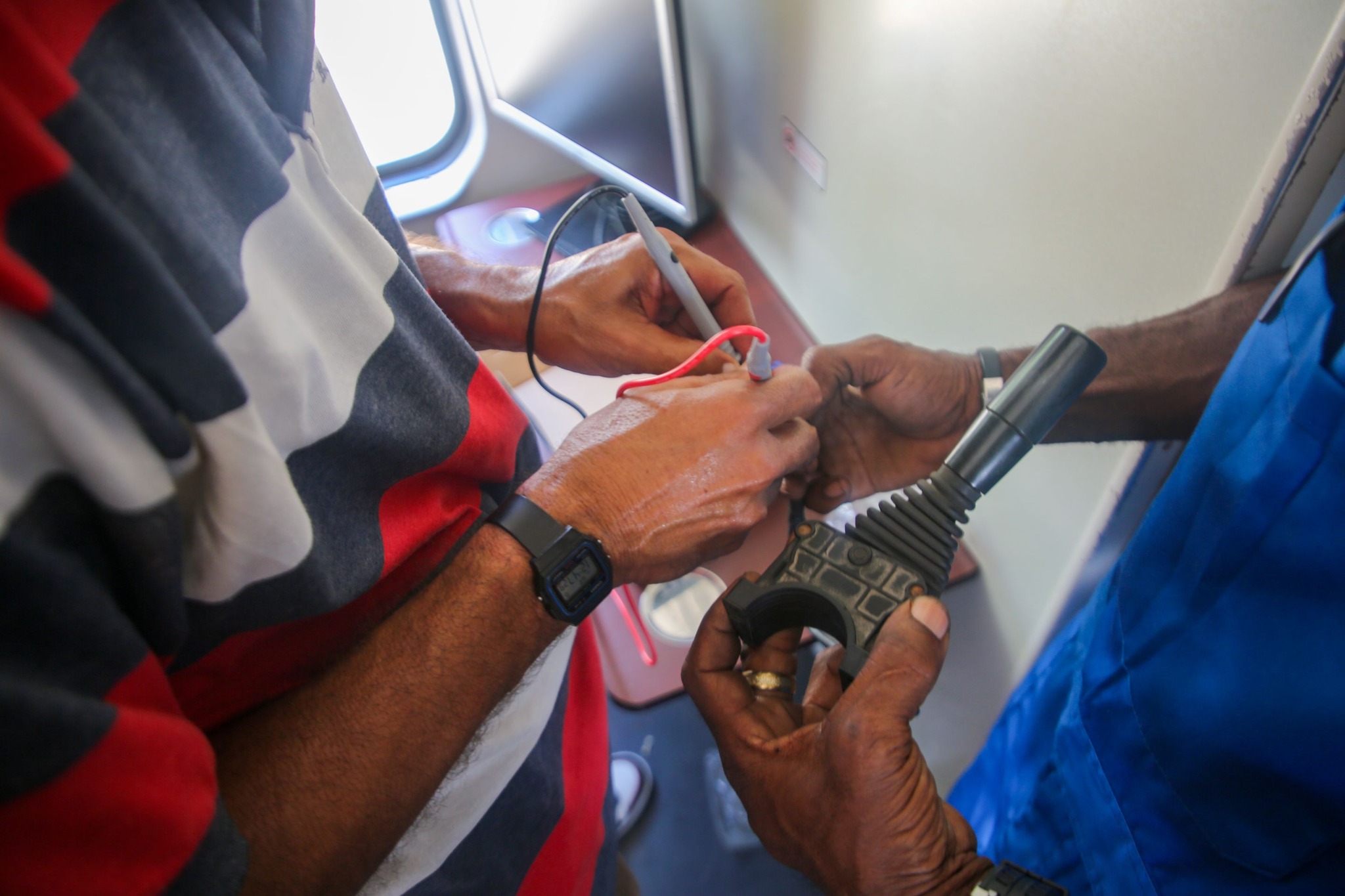
On the operational level, the plan includes an internal wireless communication system for the crew that would facilitate coordination between machinists, mechanics and personnel on board.
This solution, according to specialists, would work as a support for traditional radio systems, especially in areas with little coverage.
Challenges and perspectives
However, even with the field tests, the progress of the project still faces important technical and economic challenges, which conspire against their implementation and maintain uncertainty about a possible date for their definitive entry into operation.
Among these, the national route company indicates “the acquisition of certified equipment under international rail regulations, which require resistance to train’s own vibrations, electromagnetic compatibility and fire safety measures.”
In addition, it also recognizes that “the country’s economic limitations complicate the import of technology, mainly of European origin.”
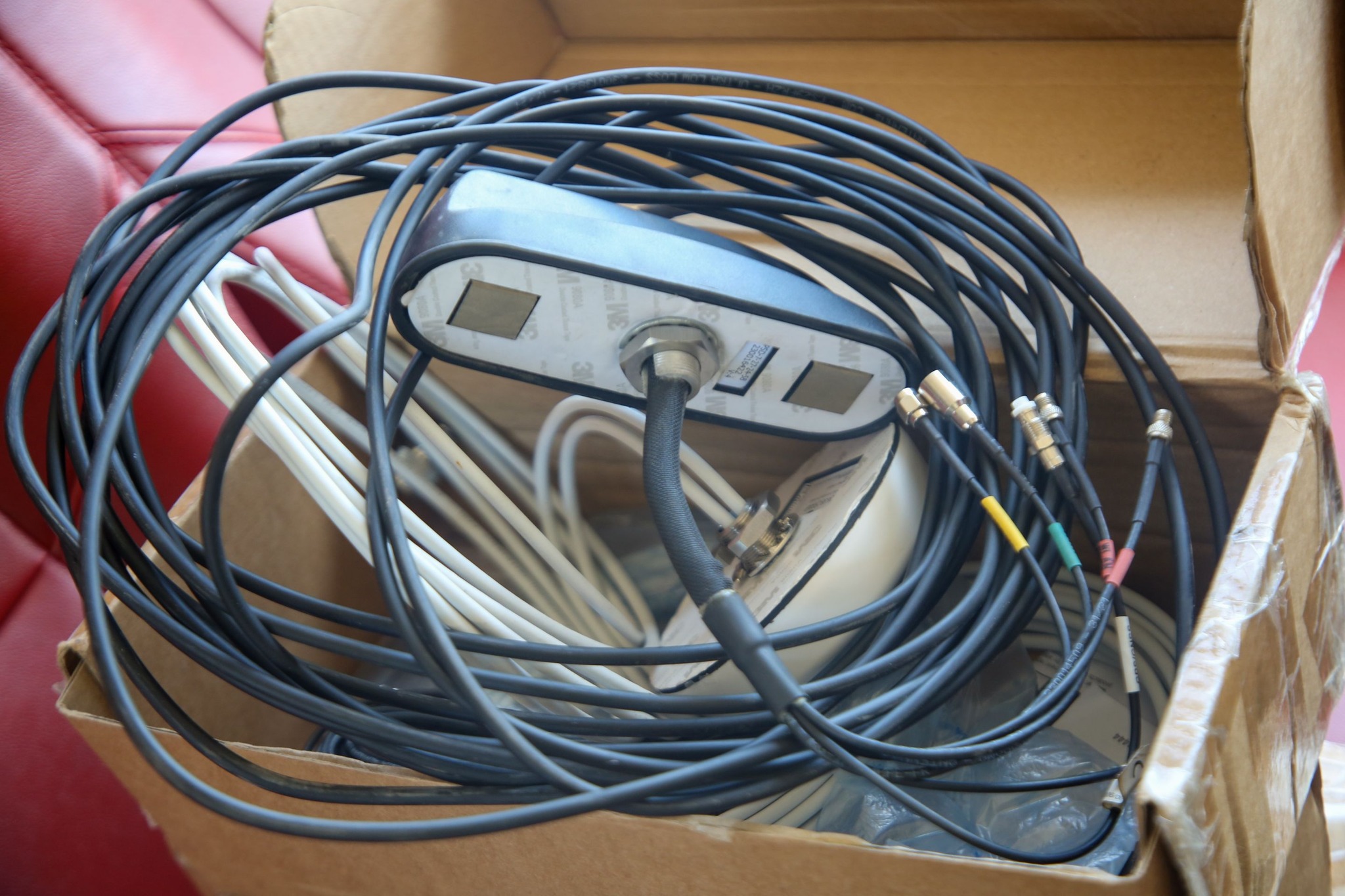
Despite admitting these difficulties, the entity points out that after concluding the validation phase, a business model will be defined that involves Etecsa as an Internet provider, Solintel as responsible for the infrastructure and Cuba railroads as a final customer.
At that point, mass installation, staff training and start -up is expected.
With this initiative, “Cuba takes a step towards the digitalization of its rail transport, offering connectivity, entertainment and internal communication tools, in tune with the demands of the passengers of the 21st century,” according to national routes.
For its part, Granma It highlights among its benefits “the regulation and control of radio stations emissions”, as well as “improve connectivity and passenger experience in national trains.”