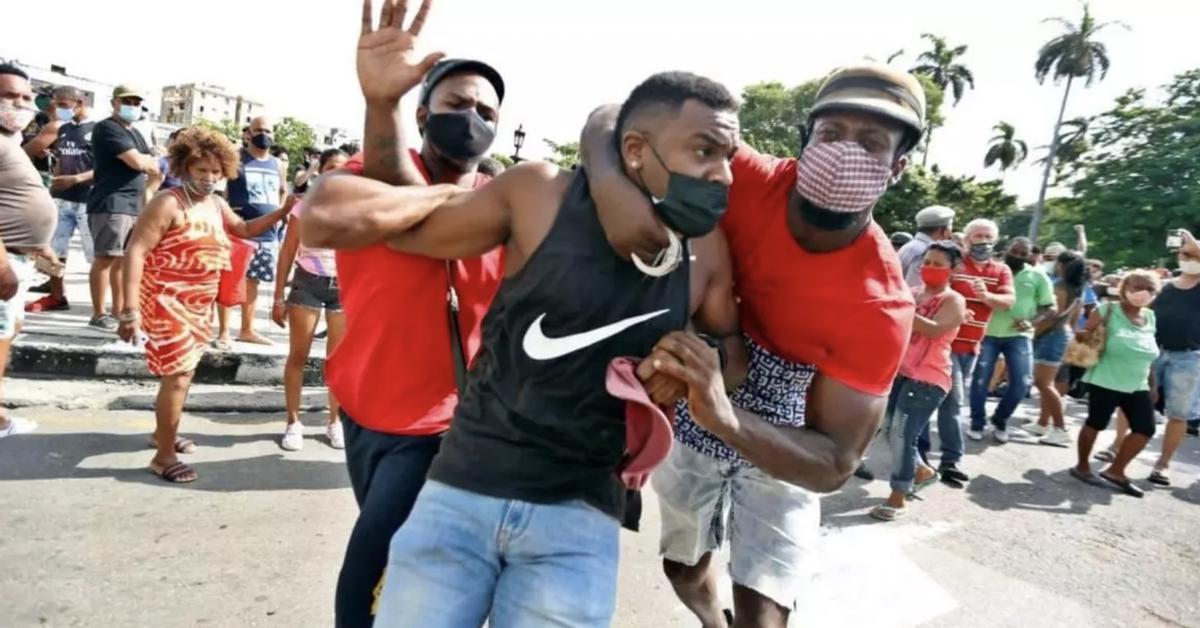
Havana/The year 2026 begins with 18 new political prisoners, according to the most recent report by Prisoners Defenders, published this Thursday, and registers the historical record of 1,207 in total. Of them, 436 are seriously ill and 42 suffer from mental disorders without receiving medication.
The NGO, based in Madrid, specifically denounces the deathon January 22, of Lázaro García Ríos, who died without receiving medical assistance. The man, who was detained without an arrest warrant and sentenced to 20 years in prison for throwing Molotov cocktails at the Archive of the Popular Court of Central Havana, had denounced on multiple occasions the refusal of the prison system to provide him with a doctor.
The report also gives several details about the new political prisoners, most of them deprived of their freedom for peacefully expressing their opinion on social networks. Such is the case of Ankeyli Guerra Fis, who was accused of “propaganda against the constitutional order” after some messages published after the capture of Nicolás Maduro.
The majority of people were deprived of their liberty for peacefully expressing their opinion on social networks.
On January 20, Prisoners Defenders released another report in which he denounced the worrying digital surveillance system that the regime has built to attack dissent. Based on 200 respondents, this first comprehensive report on digital surveillance in Cuba concluded that 60% of them were detained and interrogated a few hours or days after having made critical publications against the regime. In addition, 46.5% of those interviewed also reported having suffered direct interventions in their conversations on applications such as WhatsApp.
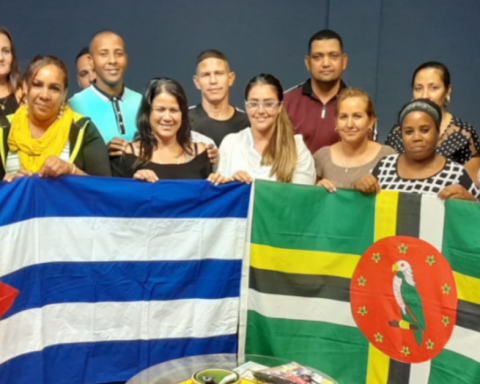
A group of Cuban activists delivered a citizen petition this Wednesday to promote an amnesty law before the National Assembly in order to free political prisoners. Headed by Yenisey Mercedes Taboada Ortiz – mother of political prisoner Duannis León Taboada –, Jenny Pantoja and Miryorly García Prieto, the initiative For an Amnesty Now! At the moment it has more than 1,500 verified signatures of the 10,000 they need to request the drafting of a law. Of them, 59% correspond to people who live on the Island.
The issue, however, is avoided time and again by the authorities. Asked about it by the EFE agency, in fact, the vice minister of foreign affairsCarlos Fernández de Cossío, said that the Government “see[s]no reason to talk about the issue of political prisoners.”
As a mirror, there is the case of Venezuela, and the recent proposal of the president in charge, Delcy Rodriguez of a General Amnesty law for political prisoners detained from 1999 to the present.