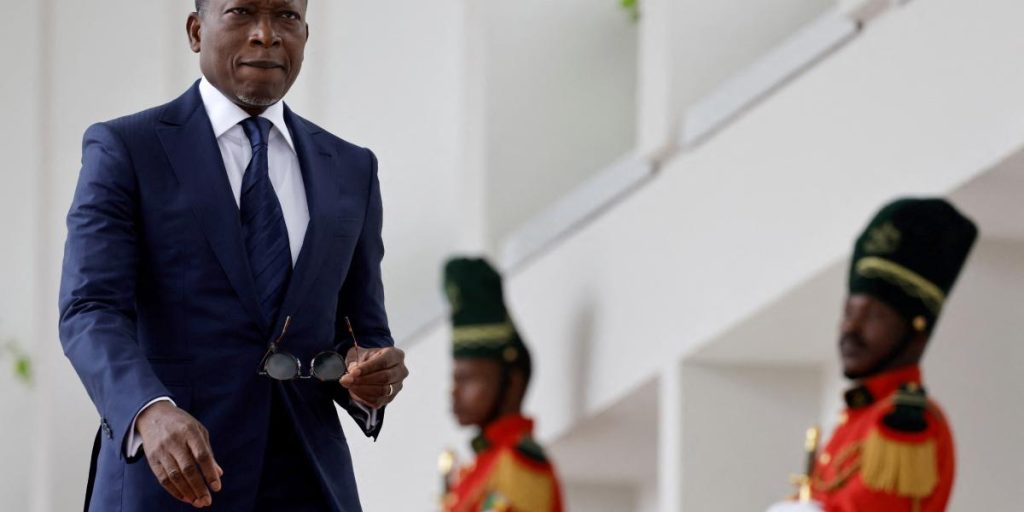
Just two days after Cuba publicly reiterated its policy of zero tolerance against drug trafficking, Foreign Minister Bruno Rodríguez used social networks to insist on such a position and underline the island’s commitment to international and bilateral agreements at a time when the United States intensifies its crusade against Venezuela with a military deployment in the Caribbean.
Rodríguez highlighted that Cuba has signed cooperation agreements with several countries, including the United States, since 2016, and assured that the country complies “with firm determination” with its multilateral commitments. However, he regretted that Washington has decided to “put a brake on and hinder” bilateral exchanges on anti-drug matters, despite the fact that, according to Havana, the United States is the main emitter of narcotics into Cuban territory.
#Cuba maintains an active and responsible fight against drug trafficking and the illegal use of narcotics, with a government strategy that attacks this problem comprehensively.
As part of it, it has signed various bilateral intergovernmental agreements, with the firm… pic.twitter.com/820WTnjlDM
— Bruno Rodríguez P (@BrunoRguezP) December 7, 2025
“Zero Tolerance” Policy and Washington’s Military Crusade
Senior officials from the Ministry of the Interior (Minint) and Justice ratified days ago that Cuba “is not a drug producing or transit country” and that it maintains a policy of absolute rejection of any link with drug trafficking, recalled a dispatch from the Spanish agency EFE.
Colonel Juan Carlos Poey, head of the Minint Specialized Anti-Drug Confrontation Body, warned that the US military deployment against Venezuela under the argument of combating drug trafficking represents “a serious threat to the security and sovereignty” of Cuba.
Poey revealed that synthetic drugs are currently the most widespread on the island and that the majority come from the United States.
The Cuban Government denies any link with drug trafficking and targets the United States
Cooperation with Washington and Cuban seizures
For his part, First Colonel Ybey Carballo, Chief of Staff of the Border Guard Troops, explained that there is exchange of intelligence information with US counterpart services “in real time”, including positions, courses and characteristics of suspicious vessels.
However, Cuban authorities accuse Washington of hindering cooperation, in a context marked by the political and military offensive against the government of Nicolás Maduro in Venezuela.
“With the military deployment against Venezuela, the US also sets its sights on Cuba,” analysts warn
The authorities reported that so far this year more than two tons of drugs have been seized in Cuba. In 2024, seizures totaled 1,051 kilos, mainly cocaine, marijuana, methamphetamine and cannabinoids.
That same year, 1,157 people were punished for crimes linked to drug trafficking.
The government recognizes an increase in drug consumption on the island, especially synthetic drugs among young people, although it has not released complete statistics on the magnitude of the phenomenon.
What is “the chemical” and how can synthetic cannabinoids affect those who consume them?
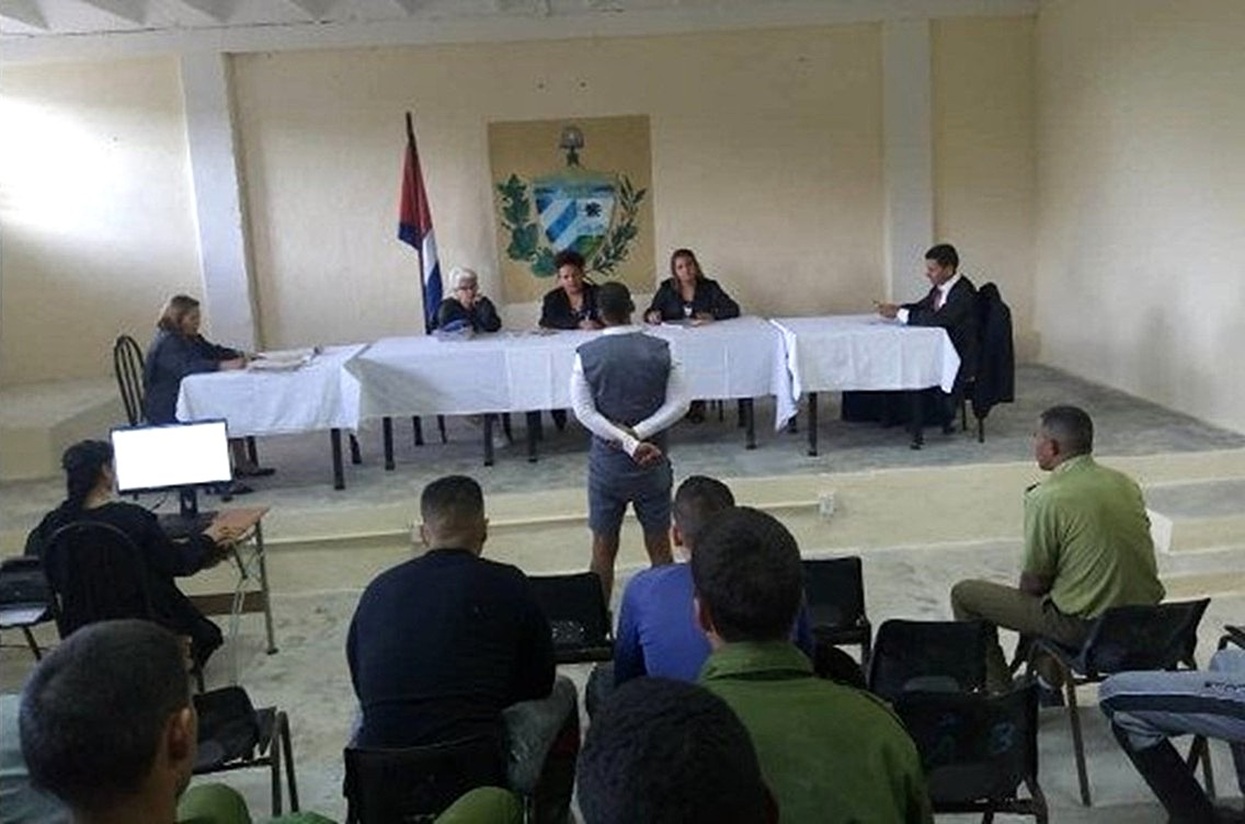
The problem is addressed as a matter of public order. In recent months, “exemplary trials” have been reported with sentences of up to 15 years in prison for possession and sale of small quantities of drugs.
The Cuban Penal Code contemplates severe penalties: from 4 to 30 years in prison, life imprisonment and even the death penalty for serious crimes related to drug trafficking.
Regional context
Cuba’s insistence on highlighting its anti-drug fight coincides with the increase in US pressure on Venezuela. Washington accuses President Nicolás Maduro of leading the Cartel of the Suns, an organization that allegedly uses drugs as a weapon against the United States.
Former Chavista intelligence chief Hugo “El Pollo” Carvajal, detained in the United States for drug trafficking, recently sent a letter to President Donald Trump in which he claims that Maduro, Diosdado Cabello and other senior Venezuelan officials run a criminal network with the support of groups such as the FARC, the ELN and Cuban operators.
Carvajal stated that the plan to use drugs as a political instrument was suggested by the Cuban government to Hugo Chávez in the mid-2000s, and that it was carried out with the help of armed organizations and international groups such as the Lebanese Hizbollah.
Havana flatly denies any link with drug trafficking and assures that its policy is “zero tolerance.” The government insists that the drugs that arrive on the island come mainly from the United States and that its role is that of victim, not accomplice.
Likewise, Cuban authorities maintain that the US military deployment in the Caribbean, under the argument of combating drug trafficking, constitutes a direct threat to their sovereignty and a pretext to justify actions against Venezuela.