Havana/The Cuban Government included material to fight the chikungunya and dengue epidemic that the island is suffering in an international petition due to the ravages of Hurricane Melissa, but without specifying its real objective, according to documents to which EFE has had access.
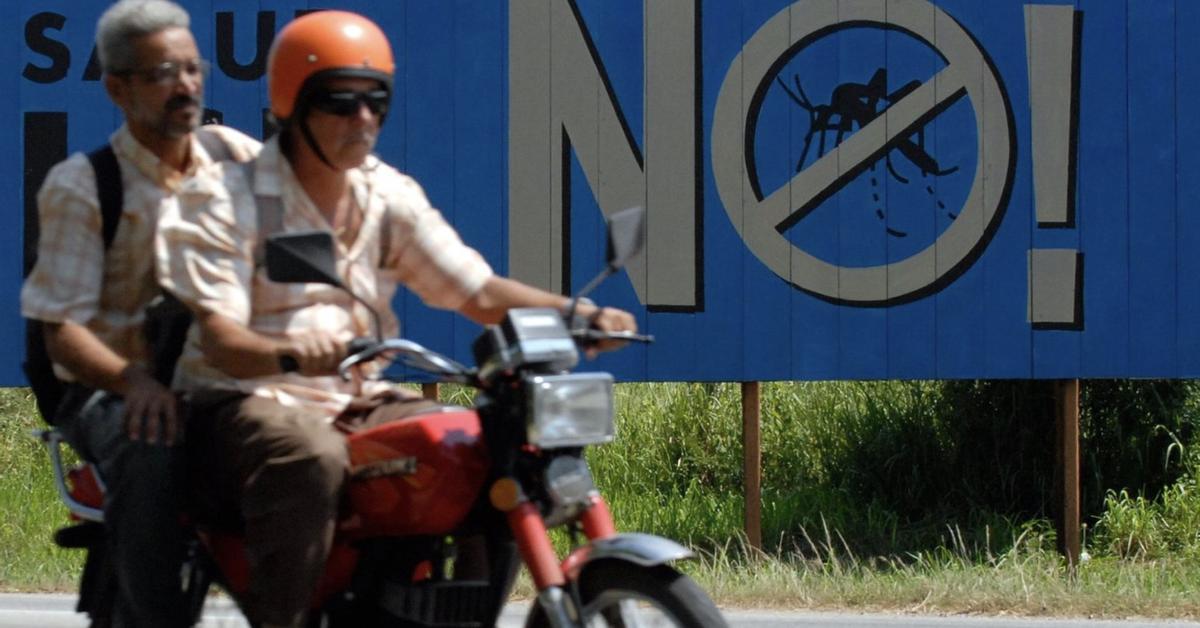
The Ministry of Public Health sent some embassies and United Nations agencies on the island a list that included large quantities of chemicals to combat mosquitoes, the vector of transmission of both diseases.
That list for Melissa is dated October 27 – exactly in the peak week of the epidemic, according to official statistics released weeks later -, despite the fact that the Cuban Government would take 17 more days to classify the outbreak as an “epidemic” for the first time.
In fact, the Executive has not formally declared any type of health emergency, despite the obvious strain on the hospital system. The cases already registered in the epidemic exceed 70,000 and the deaths amount to 47 – mostly minors – according to the Ministry of Public Health itself.
Most of the deaths have occurred among minors
The list, titled “Main needs for the National Health Service to confront Hurricane Melisa,” is a four-page table that includes multiple health chapters.
In the “Hygiene and Epidemiology” section, the Ministry included 200 tons of the 1% larvicide Abate and 40 tons of the 25% cypermethrin insecticide. Both chemicals are especially effective in combating mosquito infestations.
Independent experts consulted by EFE – both Cuban and foreign, from the academic and business world – agree that these amounts are very high and seem more intended for a national campaign than to contain possible mosquito outbreaks after the passage of a hurricane.
They point out that for indoor fumigation with bazookas, which is the most common method in Cuba, between 5 and 10 milliliters of cypermethrin per liter of diesel are used. Consequently, the requested amount would provide between 666,000 and 1,333,000 bazookas.
In the case of Abate, the usual doses vary between 5 and 50 kilos per hectare depending on the depth and dirt of the water. At an average of 20 kilos per hectare, the requested amount would be enough to treat 100 square kilometers of relatively deep water with organic matter.
The Government has recognized that the crisis suffered by the country had affected the fumigation campaigns
The Cuban Government has recognized in recent weeks that the crisis that the country is suffering had affected the traditional fumigation campaigns and that the country had had problems with supplies and personnel to carry them out.
EFE contacted the Cuban Government to inquire about the list, but for the moment has not received a response. She also requested an interview with an official from the Ministry of Public Health, but this has not been attended to either.
To date, no country or multilateral agency seems to have responded to the Cuban request on this specific point.