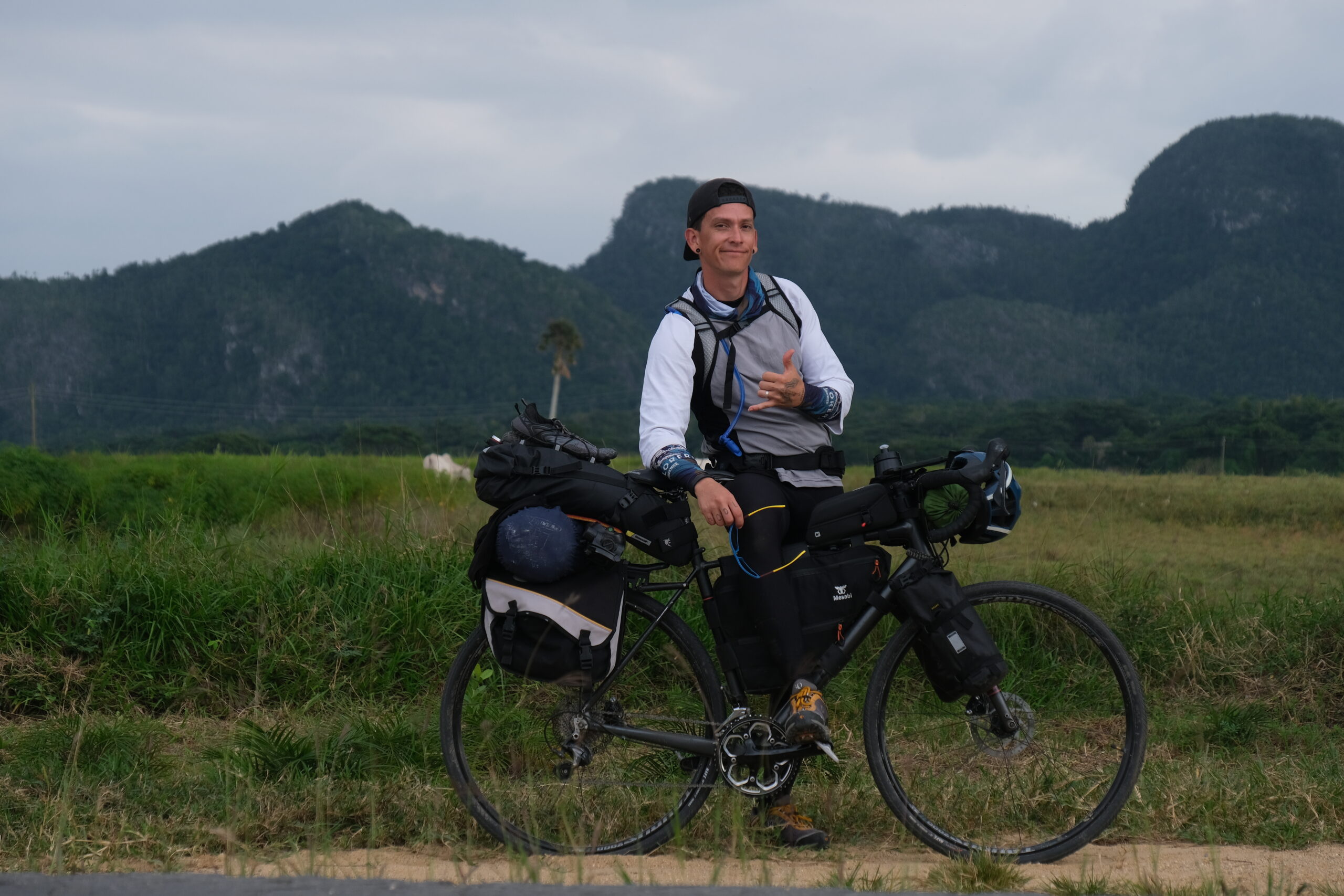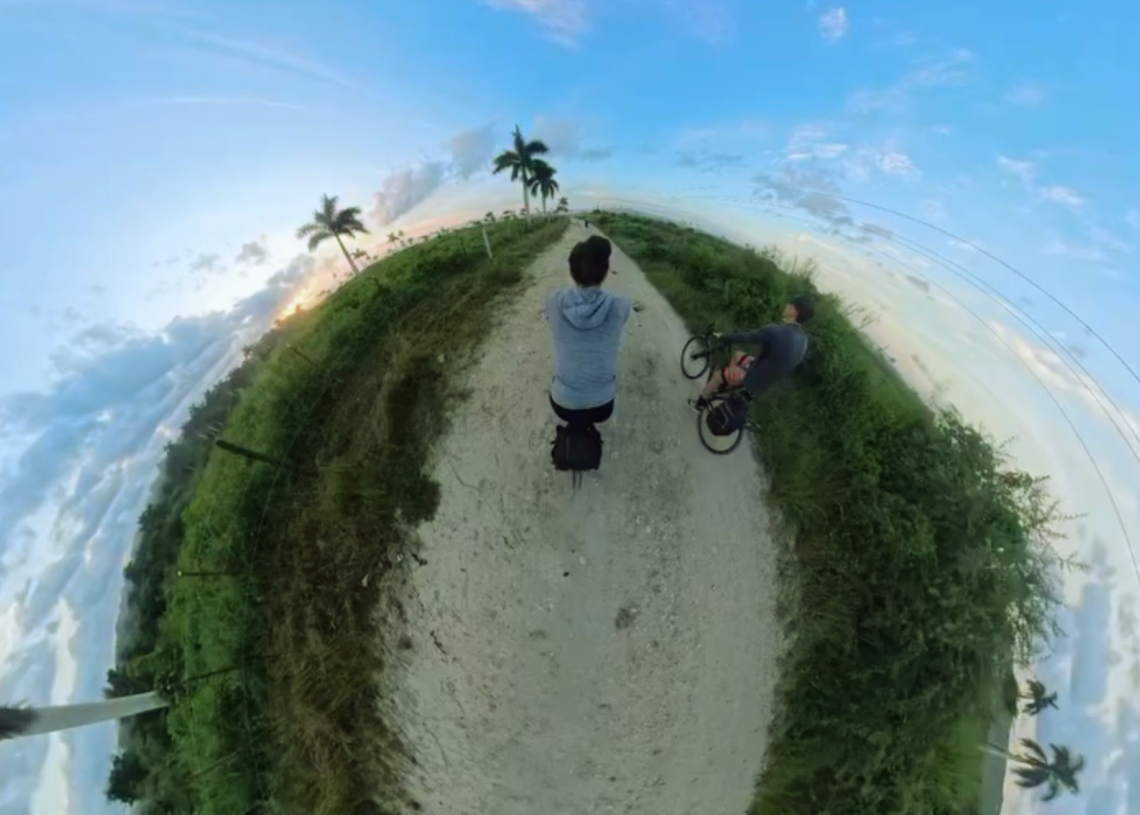
Tired of the blackouts, Daniela García and Brian Nicolau put two backpacks on their shoulders and set off up the road on a unique adventure: touring all of Cuba by bicycle. The journey, which began last November, is divided into three stages: a first that will take them from Havana to Cabo de San Antonio; a second that will be destined for Punta de Maisí; and a third, final one, with which they hope to tour the Isle of Youth. In total, they estimate that the three sections will take about four months.
“With Cuba by BikeIn addition to creating beautiful memories, we want to show that sometimes there are more excuses we make than real limitations. Yes: transportation is bad, food is scarce, money is not enough, life is hard… but you have life, and you have to live it. Many criticize us: ‘with the hunger that happens in Cuba and you as if nothing happened.’ But it is not like that. As we tour Cuba we are seeing everything that is happening, and we are not going to hide it or pretend that everything is fine. But we are not going to hide how beautiful we live just because it bothers some that, even in the midst of disaster, we want to be happy here,” said Brian – known among friends and followers as Nico – in an interview with OnCuba via WhatsApp.
Maps in hand and feet on the pedals, Daniela and Nico prepared for months for an adventure that would take them to little-traveled corners of the interior of the country. She, from Cienfuegos and a doctor by training; He, a man from Guanabaco who is passionate about adventure. One day they decided to turn the long “lost” hours of power outages into an opportunity to discover the island that they had never seen before and where they have decided to stay and live while many people leave.
In parallel, Cubans inside and outside the country have formed a digital community around them that is about to reach 10,000 followers on Instagram, accompanying – even from a distance – a journey that they would also have wanted to undertake.
“My relationship with the bicycle began like that of any girl: my parents taught me how to ride and I used it to run errands, go to a friend’s house or simply pass the time. Then I met Nico and things changed a little. He was more immersed in that world and what was previously unthinkable for me, like doing 30 km, became everyday,” Daniela said. A native of Rodas, in Cienfuegos, he remembers that he was surprised to discover that it was not the first time that someone had attempted a route like this; even a neighbor of his had already done it. “That inspired us and we saw it even more possible,” he said.
“Ignacio (Yeyo), a neighbor in my community, has done it since the 90s, although with other reasons and another approach. We also know of a couple from Matanzas who spent months pedaling and shared very nice stories about their trip, from which we learned things. Even a friend’s aunt did it about 30 years ago. Everyone has their own reasons, but it is always a unique experience,” said Nico.
At first they thought about making the trip alone, but as they progressed on their itinerary they met people who either joined the adventure or welcomed them when they needed a roof to rest and shelter. “Our lodging is a tent, a mattress and a sleeping bag. Thanks to the networks, many people from almost all the provinces have offered to leave us their homes: be it a room, a terrace, a porch or a little piece of patio. We have not been lacking in love,” Daniela remembers with gratitude.

On wheels
“My first bike as an adult was given to me by my father when I was around 24 years old,” Nico recalls. “At that time I had a small business about 10 km from home, so I needed to move every day to work; public transportation was not an option. When you enter this world you begin to discover pieces, accessories and possibilities that you didn’t even know existed. Suddenly you find yourself plunged into a totally new universe. From that point to wanting to tour Cuba by bicycle, the intersection point was the blackouts. The downtime at night, without connection and without being able to advance anything, is time that you will not get back.”
One thing led to another. When they realized it, he and Daniela had already gathered what they needed to start the trip. All that was left was to decide and take the first step. “Getting the right bike for Dani was an odyssey, but finally we decided that it was worth finding a gravel bike, like mine. This type of bike allows wide tires, supports a lot of weight, is comfortable, aerodynamic and accepts various accessories. To complement it, we got specific bags for bikepackingwhich avoids carrying weight on your back and possible health problems on long trips. But don’t let this discourage anyone: to see beautiful places, any bike will do,” he says enthusiastically.

The conditions of many roads in Cuba are usually hostile even for those who drive in more stable vehicles, such as cars and trucks. For the cyclist—and even more so for those who carry backpacks and equipment for long distances—the poor condition of the roads and the absence of bike lanes is felt twice as much.
“There have been stretches in which we have to go very slowly because of the potholes, and sometimes a surprise pothole has forced us to check if something broke. In fact, on our most recent trip we had to stop everything due to a break in my bike. The lack of bike lanes on most roads also puts the life of the cyclist at risk, not to mention the irresponsibility of many drivers. For some, we are a nuisance or simply invisible. These are risks that are always there,” lamented Nico.

Daniela agrees: “Sometimes the roads are better and other times worse. So far the best, although most boring, is the highway. On the other hand, in the westernmost area of Pinar del Río the road is practically non-existent: more holes than streets. This makes the path quite difficult for us, it delays us and mistreats the bicycles more.”
Traveling by bicycle, however, has given them the freedom of movement and time they have been looking for since they conceived the project. “In Cuba, transportation is a problem: moving even a few kilometers is expensive and difficult. Bicycles help a lot in this sense, especially in the most intricate places. We saw it a lot on our trip: old, patched bikes, but they fulfill their function,” adds Daniela.
Despite the obstacles, both feel that they are living one of the great adventures of their lives and also building a documentary record to which they and those who are inspired by the project can return to peer into a Cuba that does not appear in the city tours nor on conventional road trips.
From the bike: the Cuba that cannot be seen
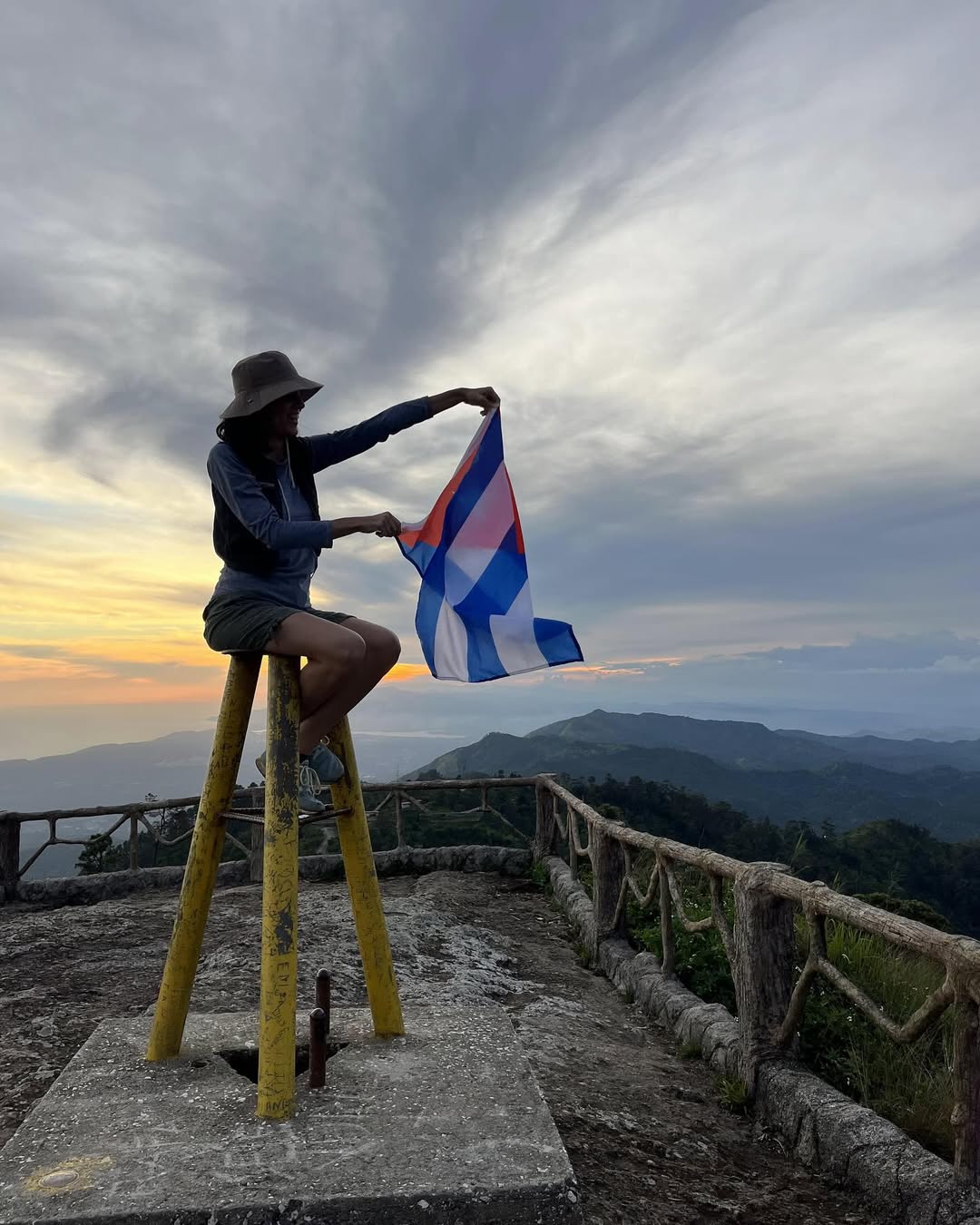
On their journey through the West—the part of the route they are currently crossing—Daniela says that they have been surprised not only by the affection with which the residents receive them, but also by the diverse ways of life adapted to each region. “Something interesting in the Pinar del Río area is the current agricultural tradition: in every landscape of this province there is a farmer working the land and a pair of yoked oxen,” he comments.
Showing this complex map of Cuban geography and society is also part of the purpose of the project, as well as promoting environmental awareness among those who follow them on networks. “Cuba by Bike It is a means to show the country, its culture, its fields and its nature. In addition, we try to use it as a tool for environmental education, which is so needed. We believe that, even if it does not solve the problems, someone always becomes aware,” says Daniela.
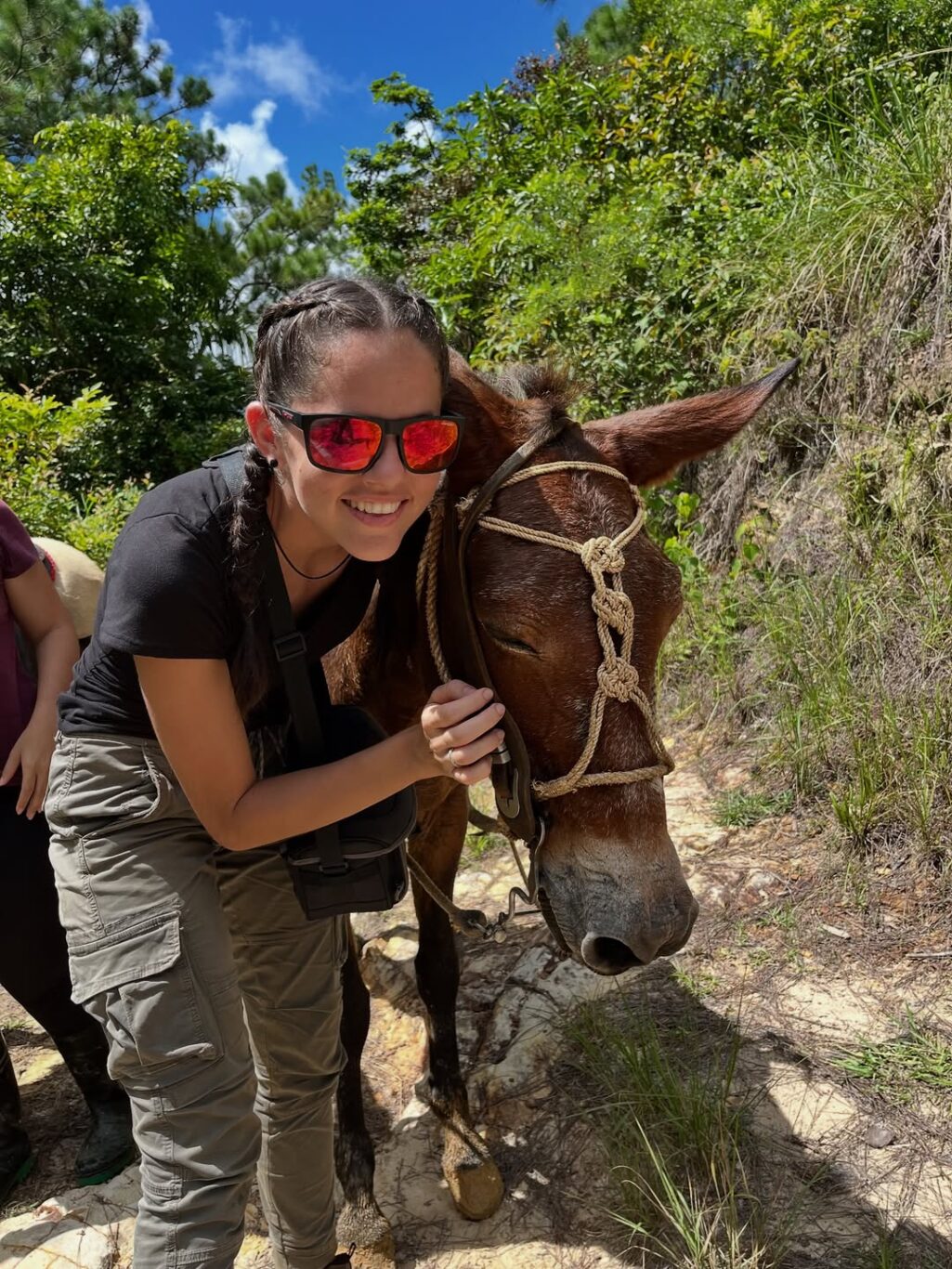
Nico, for his part, emphasizes that the page they created on Instagram seeks to build a story about deep Cuba that does not appear in traditional media and that, therefore, seems invisible to many people. “We want to talk about how bad many towns are, about animal abuse – we have seen horrors – about blackouts – in 15 days we only had 6 hours of electricity – about the need of the elderly and about all the problems we see. We will not keep quiet about anything, neither the ugly nor the beautiful,” he says.
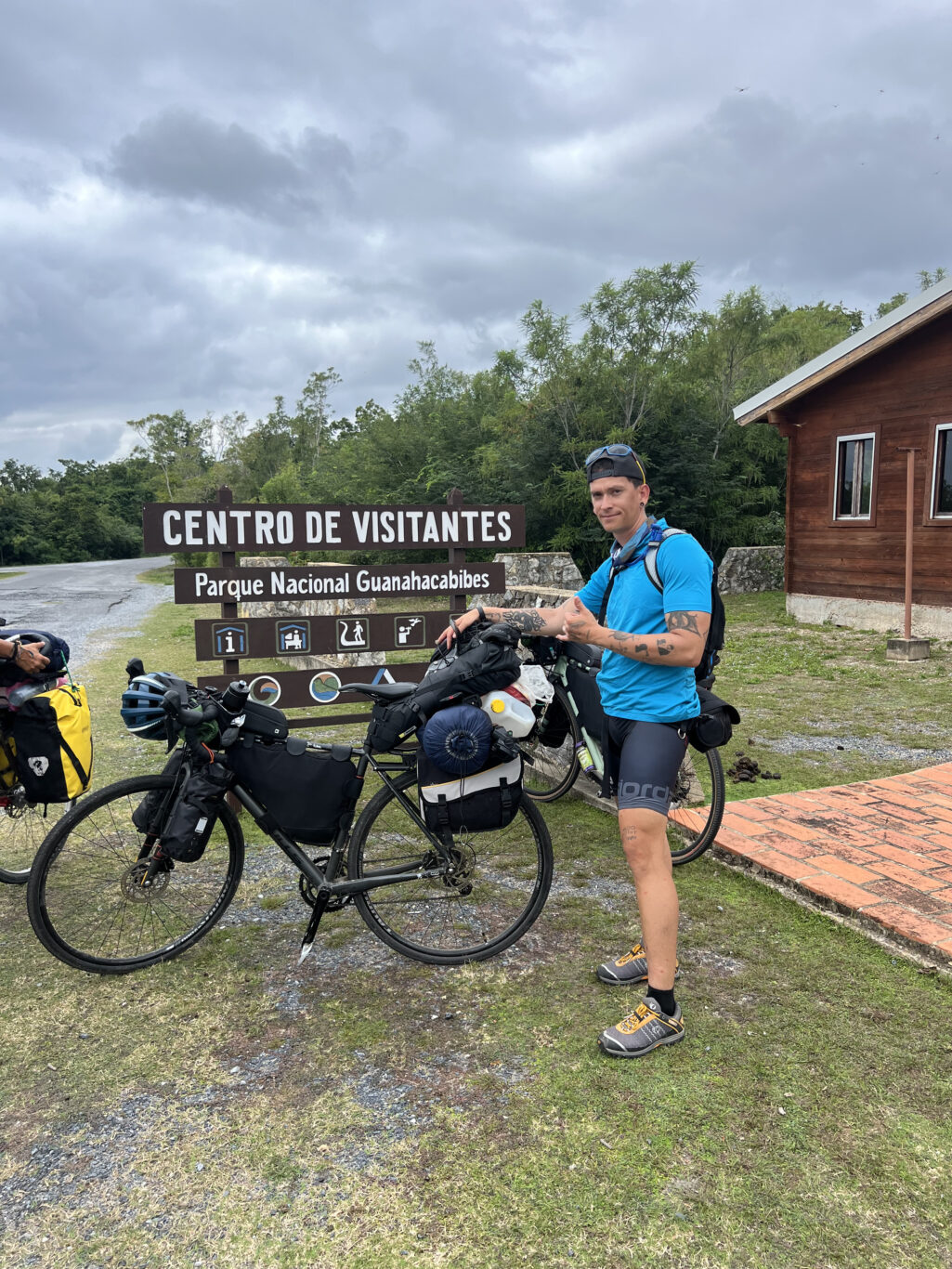
For both of them, undertaking this journey involves risks, especially in the midst of the social problems that the economic crisis has exacerbated. Cuba no longer seems as safe as before, but that hasn’t stopped them.
“We were warned a lot about violence and crime these days, that’s why we made the decision to never, under any circumstances, pedal at night and to be a little cautious when choosing where to camp,” explains Daniela, who takes the opportunity to encourage other women who dream of getting to know the country on two wheels. With due care, he assures, security is perfectly achievable. “My advice to them is to start.”
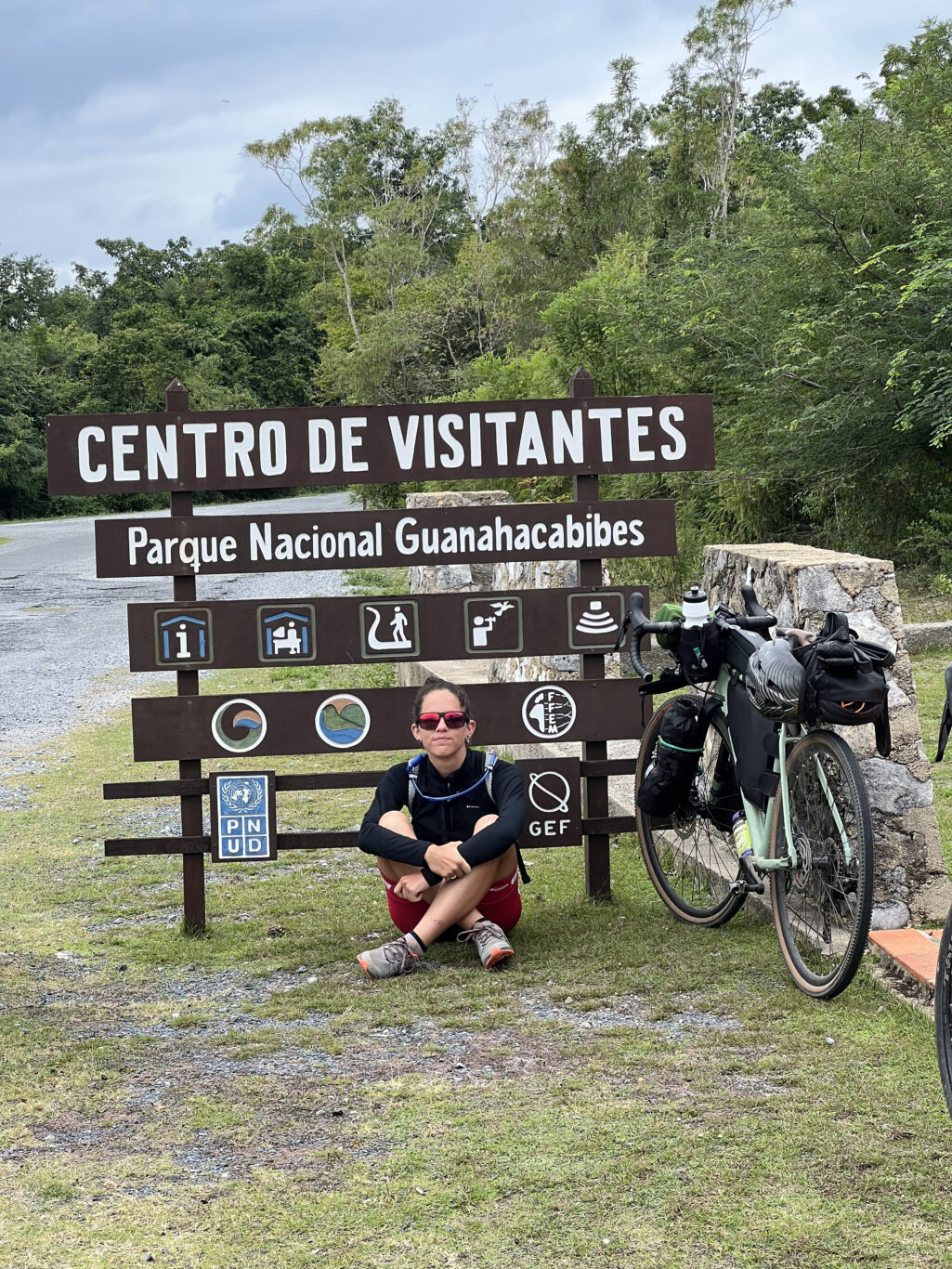
“Until now we have experienced both the worst and the best moment in the same town, which I prefer not to mention to avoid spoilers. There we saw the worst cases of animal abuse, but we were also welcomed by some of the sweetest people along the way: they gave us food, lodging, a bathroom, and much more. There are people who, without knowing you, treat you like family. That has been the most beautiful thing about the trip: the selfless generosity of people we just met. The connections you make last a lifetime,” summarizes Nico.
For now, both hope that the wheels and strength are enough for them to complete a journey that will exceed a thousand kilometers. Along the way, the generosity of the people has encouraged them to continue towards the next destination, despite the disappointments and the inevitable clash with a Cuba that can be as devastating as it is wonderful.
“We want to convey the truth: the hard and the beautiful, what hurts and what inspires. And we also want to show that Cuba has incredible corners that deserve to be seen and protected,” says Nico.
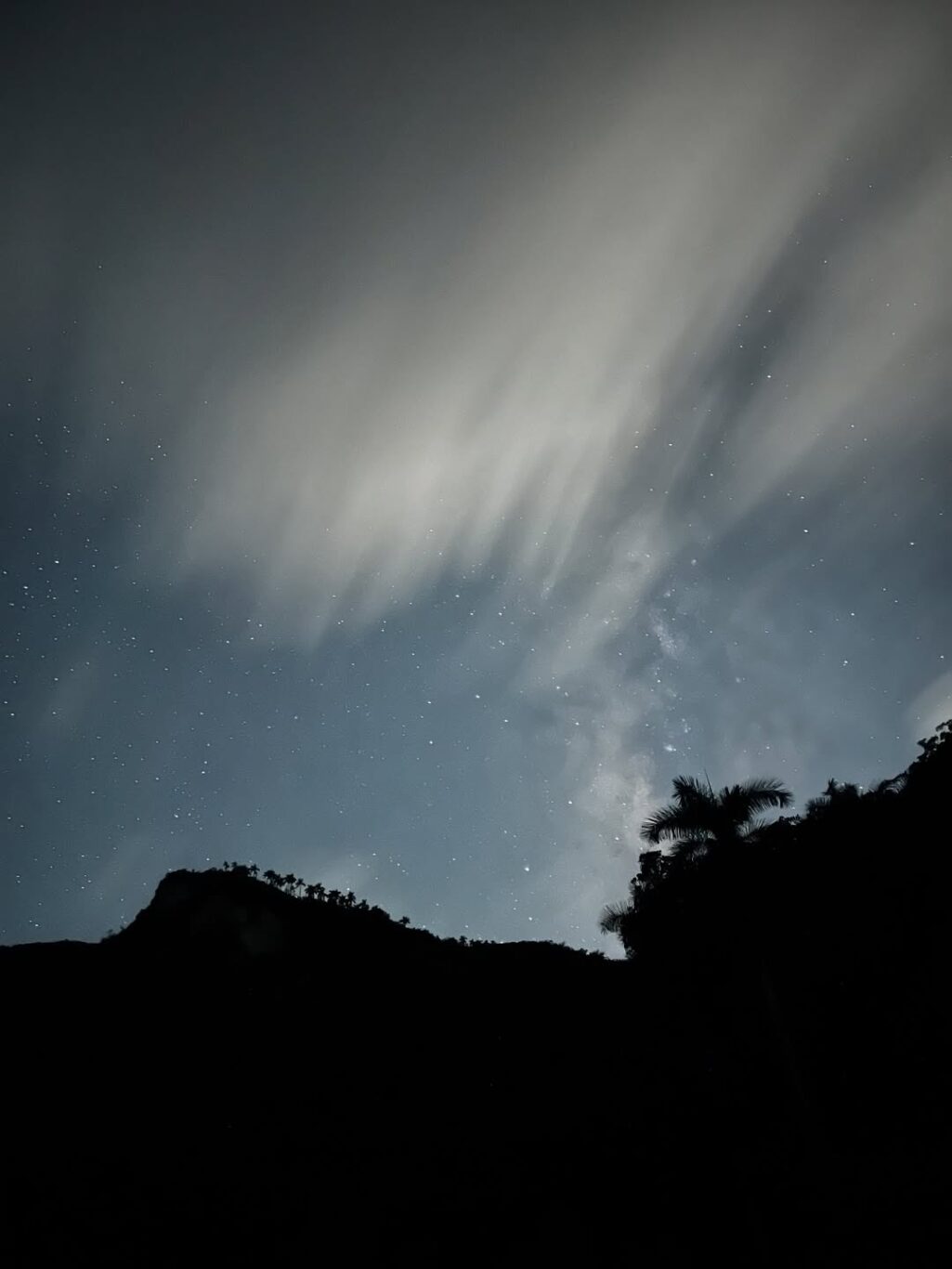
“The ‘official’ tour will end at some point, but there will always be new places to discover. After traveling through all of Cuba by bike, I don’t think I will ever move in any other way to travel. And as for concrete plans, when we finish we want to edit a documentary of the trip, share a photographic series, publish the route diaries and continue creating content to inspire others to get out, know and move. And, of course, continue pedaling. All life is a journey, and if my legs and my health allow it, mine will be by bike,” he concludes.