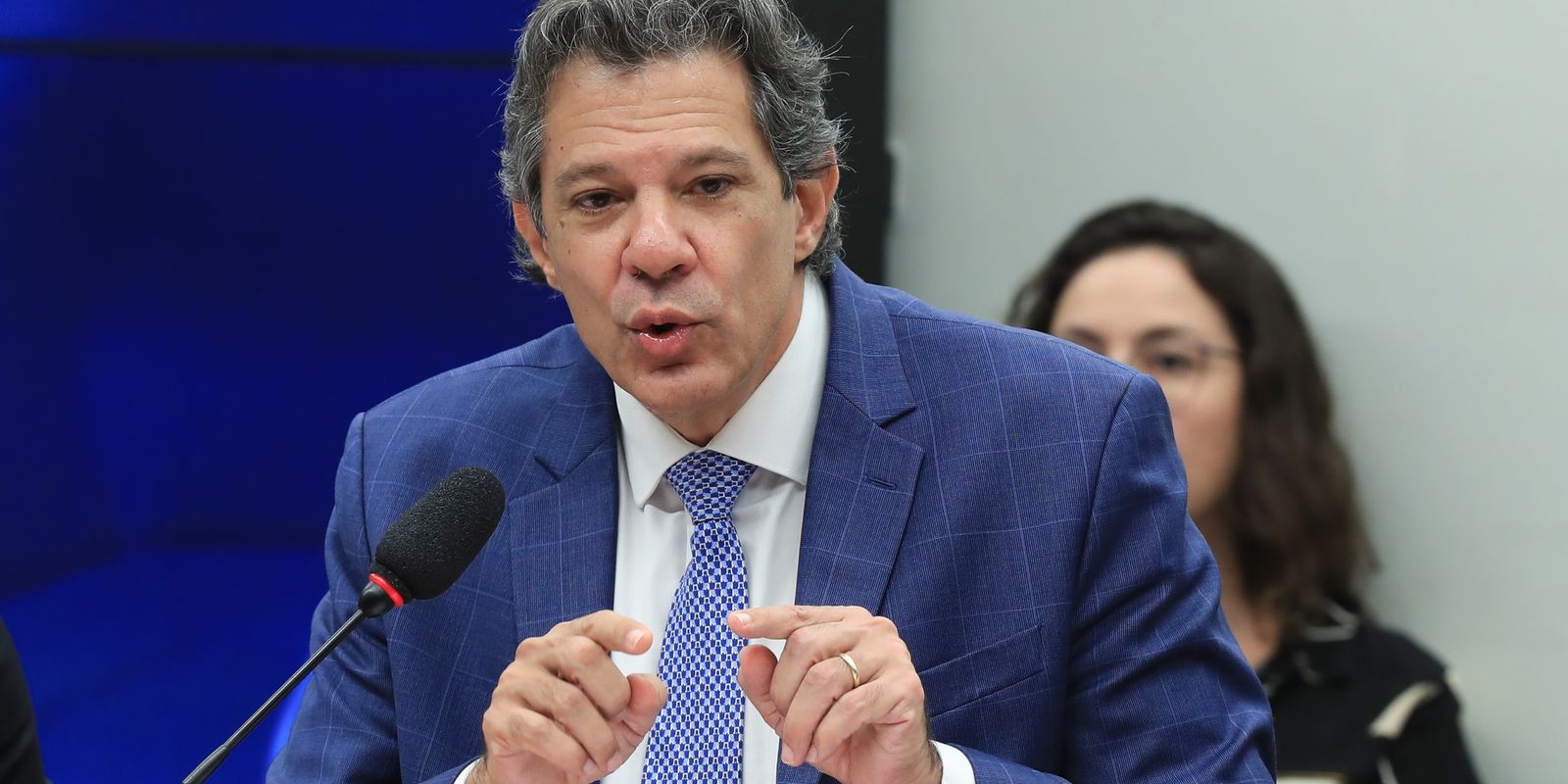
Critical minerals and rare land may enter tariff negotiations with the United States, the Finance Minister Fernando Haddad said on Monday. According to him, an agreement on both topics can be signed with the US government.
“We have critical minerals and rare lands. The United States is not rich in these minerals. We can make cooperation agreements to produce more efficient batteries,” Haddad said in an interview with BandNews this afternoon.
Critical minerals, such as lithium and niobium, are currently used for the production of electrical batteries and artificial intelligence processors (AI). Since May, the government discusses a new regulatory framework for the AI and DataCenters (Data Processing Centers).
Contingency plan
In relation to the contingency plan to help sectors affected by the Trump government’s tariff, Haddad stated that the measures are ready and should be announced by Wednesday (6), Date scheduled for the rates to come into force. On Monday, the vice president and Minister of Development, Industry, Commerce and Services, Geraldo Alckmin, said the plan is completed and, among other measures, includes special credit lines and help for government purchases.
>> Follow the channel of Brazil agency on WhatsApp
New exceptions
Haddad did not rule out the possibility of other products being included in the US exception list until Wednesday (6). The minister reiterated that Brazil will continue to negotiate and that the current terms imposed by the US government are unacceptable, but may improve.
“I believe something [ampliação da lista de exceções] It can still happen until the 6th. It may happen, but I’m saying we don’t work with a fateful date. We will not leave the negotiating table until we can see an agreement, which needs common interests. In these terms, Brazil, of course, will not make a deal, because it has no sense in the taxation that is being imposed on the country, ”said Haddad.
One of the possible beneficiary sectors can be coffee. After a meeting with Alckmin on Monday, the president of the Brazilian Coffee Exporters Council (Cecafe), Marcio Ferreira, said there was 50% chance of the sector being excluded from the 50% fare.