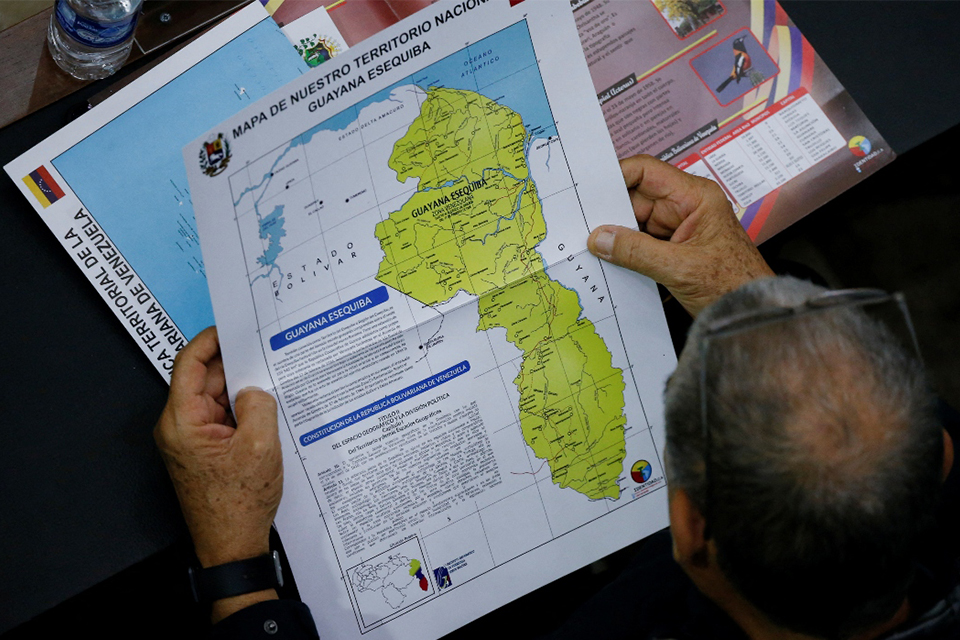
The Venezuelan Council of International Relations (COVRI) requested greater transparency in the defense of the Esequibo case and warned that the lack of dissemination of the texts could weaken the national position
The Venezuelan Council of International Relations (Covri) He urged the Executive to publish the official documents delivered by Venezuela to the International Court of Justice (CIJ) in the framework of the Esequibo claim trial.
In a releasethe agency recalled that on August 11 of this year, the authorities consigned the “dul”, last written within the written phase of the process, entitled “The Truth About The Guayana Esequiba – Rejoinder of the Bolivarian Republic of Venezuela.” However, they regretted that the content of the text has not been disclosed, which prevents the country from knowing the arguments presented in defense of their historical rights over the territory in dispute.
Covri also insisted that the “counter-memory” delivered in April 2024 be announced, because after more than a year of having been consigned to the ICJ, Venezuelans still do not access their content.
The agency expressed concern about the lack of consultation with experts and organizations specialized in the preparation of these documents, what they call – leaves the entire weight of the defense in the Executive. They also warned that the delivery of writings within the deadlines set by the ICJ can be interpreted as a tacit consent of Venezuela to the jurisdiction of that court, despite the fact that the government insists on ignoring it.
The Council called to abandon the opacity and political management of the case, and to promote national unity around the claim of the Esequibo. He also recommended preparing the oral audiences of the background phase and take advantage of the inconsistencies of Guyana’s speech before the international community.
Finally, Covri warned that the lack of clarity and transparency in the management of the case can weaken the Venezuelan position in a judicial process that will define the future of the territory in dispute.
*Journalism in Venezuela is exercised in a hostile environment for the press with dozens of legal instruments arranged for the punishment of the word, especially the laws “against hatred”, “against fascism” and “against blockade.” This content was written taking into consideration the threats and limits that, consequently, have been imposed on the dissemination of information from within the country.
Post views: 18