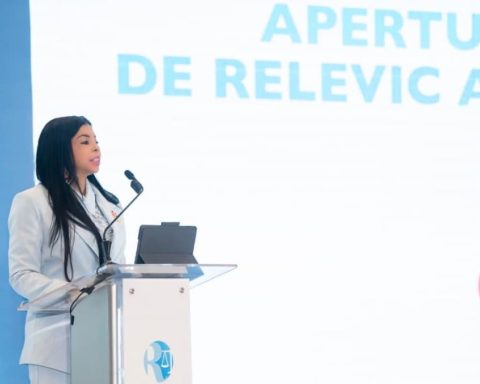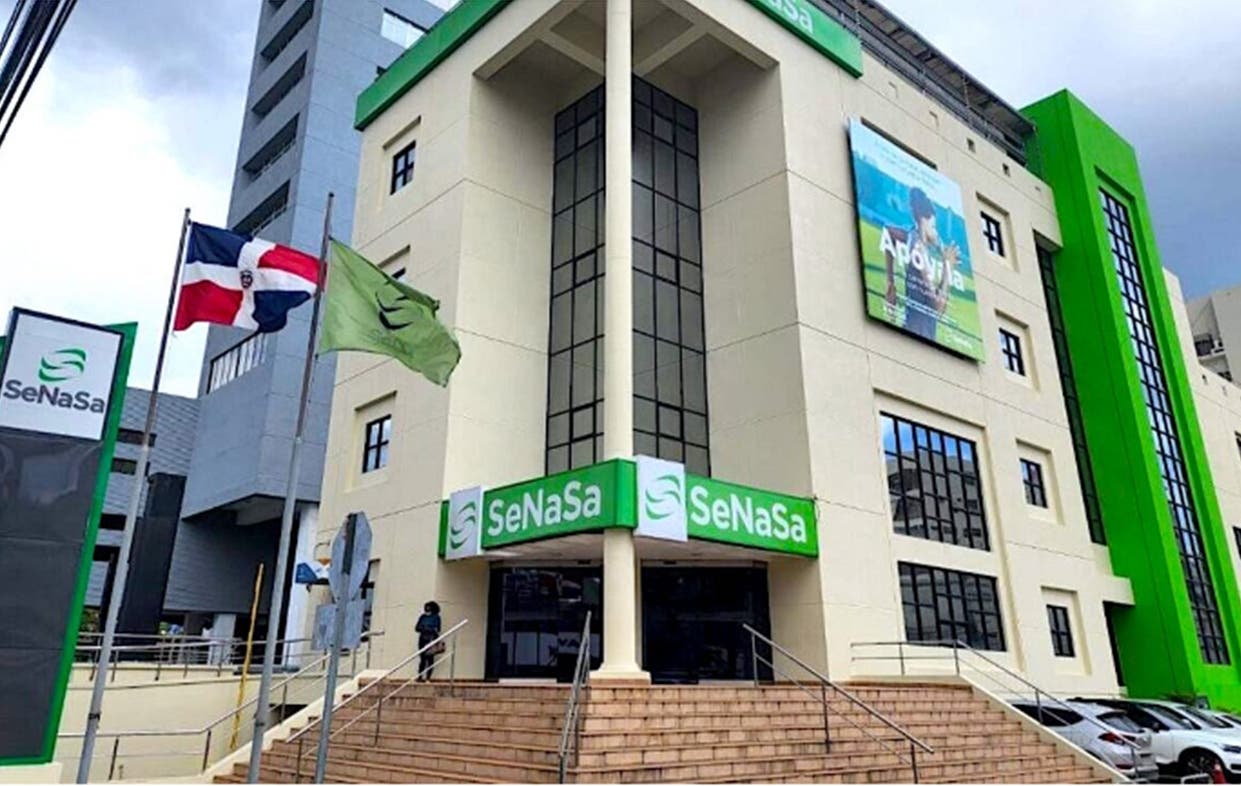
Following the complaints of corruption in the National Health Insurance (Senasa), Leidy Blanco, Coordinator of Citizen Participation, considers that these irregularities constitute directly of social injustice that violates the right to health, especially the weakest, who have no other alternative than to go to the public system.
“When corruption touches such fundamental rights as health, that is built in the most gross and abusive of all,” said Blanco.
He warned that when contracts are manipulated, funds are diverted, drug prices are inflated or client networks are created within Senasa, the consequences are not only seen in administrative irregularities: “They feel in the waiting rooms crowded, in the lack of essential medicines, in late diagnoses, in the despair of any patient.”
Before the question of why it is difficult to dissuade officials to not commit illegal acts, Blanco said that society must understand that “we are all direct victims of corruption, that when there are corruption acts in some way or another it affects us.”
He pointed out that corruption does not end in the country because it has not ended anywhere in the world, but it is essential to have prevention mechanisms and especially the consequences.
“To the extent that we have exemplary consequences to acts of corruption in that same mean corruption is prevented.”
You can read: Senasa continues in the eye of the hurricane: the controversial irregularities that concern
He argued that it is important that the State have technological and human resources to prevent corruption, since it is more expensive to persecution
When the new campaign “Protecting ours” as part of a National Public Integrity Strategy (ENIP), presented by President Luis Abinader, the PC coordinator said that any contribution made from the State is important, based on the political will, you can take steps towards a culture of transparency.
“But that will not only must be vocal, but also resources that allowed it to implement it,” he said.