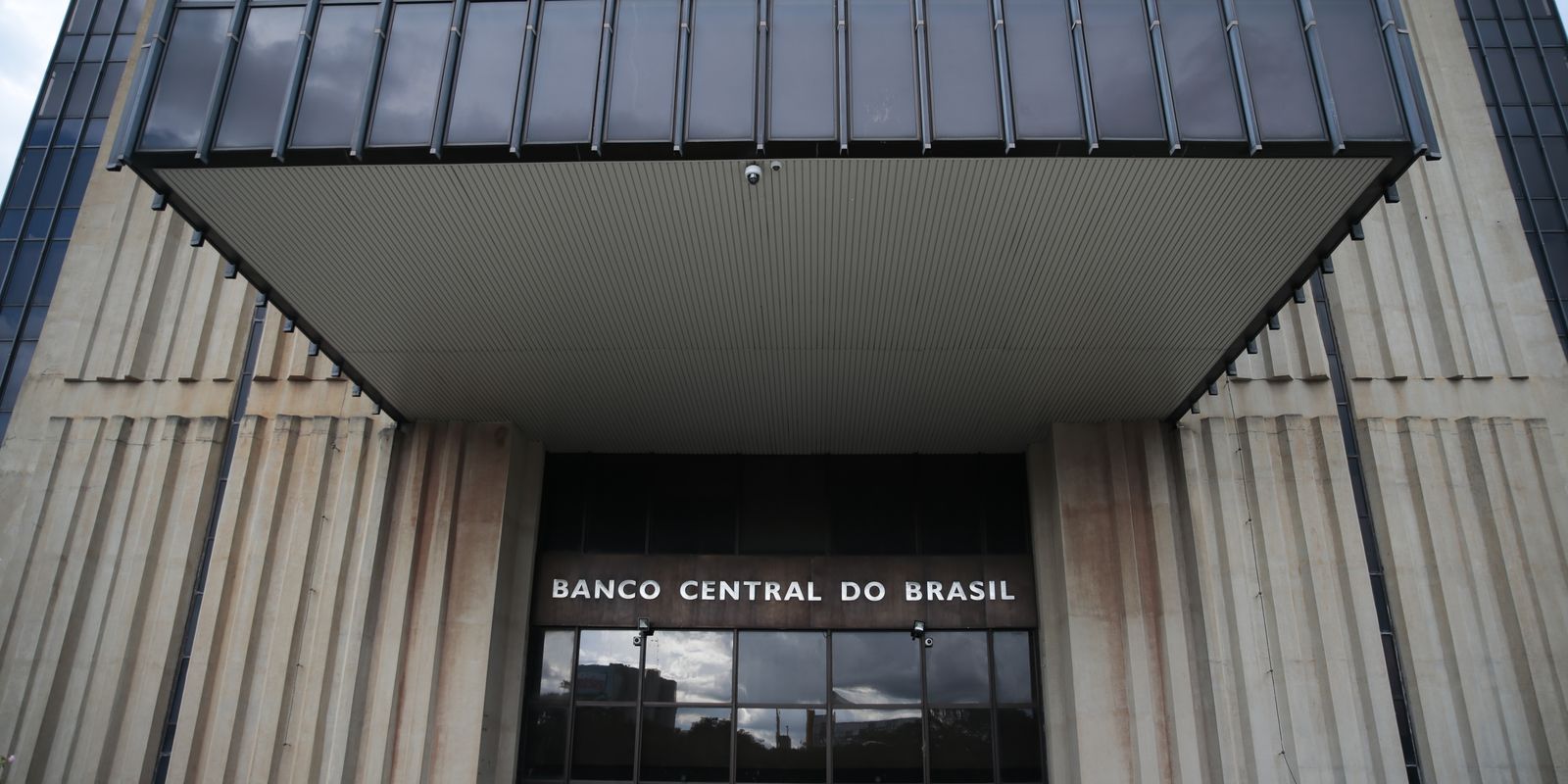
The Monetary Policy Committee (Copom) meets today (16) and this Wednesday to define how much the Economy’s Basic Interest Rate will be. Formed by the President of the Central Bank (BC) and its directors, the Copom meets for two days in a row every 45 days.
At the previous meeting on July 29 and 30, the Copom decided to stop the interest rate rise cycle, maintaining Selic at 15% per year, on the grounds that the external environment is more adverse, due to the United States (US) business and tax policies.
The committee’s decision also took into account the fact that inflation is still above the goal.
According to the BC, the Copom meeting follows a “process that seeks to support its decision to the best possible.” In it, its members watch the technical presentations of the BC functional body.
Perspectives
Among the subjects covered for the definition of the Selic rate are evolution and perspectives of the Brazilian and world economies, conditions of liquidity and behavior of markets.
Decisions, then, are made taking into account the inflationary situation, public accounts, economic activity and the external scenario – all based on the assessment of the macroeconomic scenario and the main risks associated with it.
All members of COPOM present at the meeting vote and their votes are detailed later.
“Copom decisions are made aiming that inflation measured by the IPCA [Índice de Preços ao Consumidor Amplo] Situize yourself in line with the goal defined by CMN[NationalMonetaryCouncil”explainstheBC[ConselhoMonetárioNacional”explicaoBC
Copom minutes are published within four business days after meetings.
“Once the Selic rate is defined, the BC acts daily through open market operations – buying and selling federal government bonds – to maintain the interest rate close to the amount defined at the meeting,” explains the monetary authority on his website.
Selic
To reach the inflation target, the Central Bank uses Selic as its main instrument. When the copom increases the basic interest rate, the purpose is to contain heated demand, and this causes reflexes in prices because higher interest rates make credit more expensive and stimulate savings.
Banks consider other factors other than Selic when defining interest to be charged to consumers, including risk of default, profit and administrative expenses.
Thus, higher rates can also make it difficult to expand the economy. When the Selic rate is reduced, credit is tendency to be cheaper, with incentive to production and consumption, reducing control over inflation and stimulating economic activity.