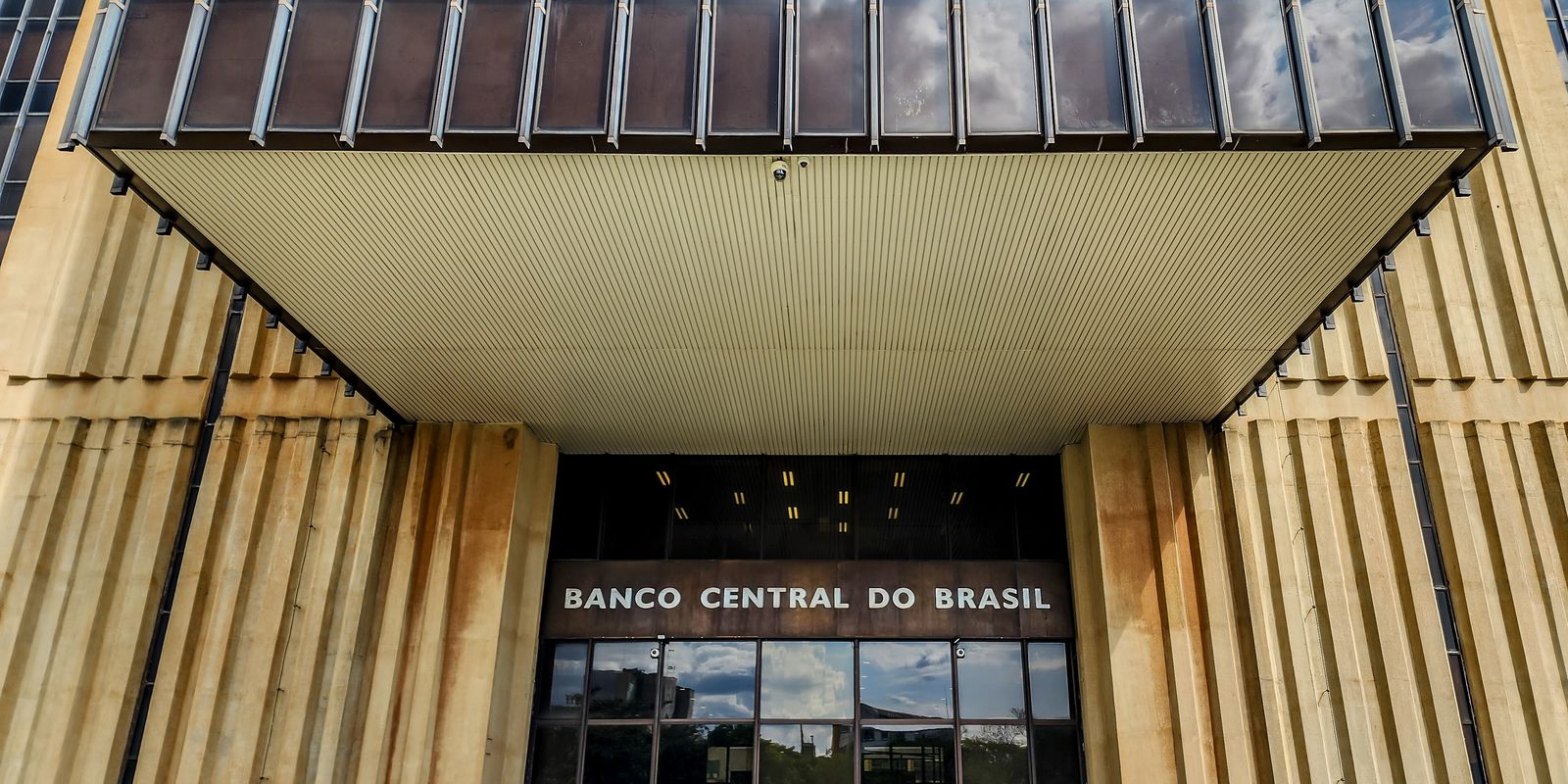
With inflation slowing, but some prices, such as energy, pressured, the Central Bank Monetary Policy Committee (BC) decides on Wednesday (30) if the rise cycle in the Selic rate, basic interest rates of the economy. Market analysts believe in maintaining the highest level rate in almost 20 years.
Currently 15% per year, Selic has been at the highest level since July 2006, when it was 15.25% per year. Since September last year, the rate has been raised seven times in a row.
According to the latest edition of the bulletin Focusweekly research with market analysts, the Basic rate should be maintained at 15% per year by the end of 2025starting a reduction in 2026. The divergence is now at the time of the next year when interest will begin to fall.
In the minutes of the last meeting in June, Copom reported that Selic will be held 15% per year for a long time. According to the committee, inflation nuclei – a measure that excludes administered and fresh food prices – have been under pressure for months. This, in the BC assessment, corroborates the interpretation that inflation is still pressured by demand that requires “a contractionist monetary policy for a very prolonged period.”
This Wednesday, at the end of the day, the Copom will announce the decision. After reaching 10.5% in June to August last year, the rate began to be elevated in September last year, with a 0.25 point increase, one 0.5, three percentage point, one 0.5 point and one 0.25 point.
Inflation
The behavior of inflation remains unknown. The National Consumer Price Index (IPCA) slowed down to 0.24% in June and to 5.35% in 12 months. However, the IPCA-15 of July, which acts as a preview of official inflation, came above expectations and accelerated because of energy and air ticket prices.
According to the last bulletin Focusweekly research with financial institutions conducted by the BC, the estimated inflation to 2025 fell to 5.09%, compared to 5.2% four weeks ago. This represents inflation above the ceiling of the continuous goal set by the National Monetary Council (CMN), 3% for this year, and may reach 4.5% because of the 1.5 -point tolerance interval.
Selic rate
The basic interest rate is used in public bond negotiations issued by the National Treasury in the Special Settlement and Custody System (Selic) and serves as a reference for other economy rates. It is the main instrument of the Central Bank to maintain inflation under control. The BC operates daily through open market operations – buying and selling federal government securities – to maintain the interest rate close to the amount defined at the meeting.
When Copom increases the basic interest rate, it intends to contain heated demand, and this causes reflexes in prices because higher interest rates make credit more expensive and stimulate savings. Thus, higher rates can also make it difficult to expand the economy. But in addition to Selic, banks consider other factors when defining consumer interest, such as risk of default, profit and administrative expenses.
By reducing Selic, the tendency is for credit to be cheaper, with incentive to production and consumption, reducing inflation control and stimulating economic activity.
Copom gathers every 45 days. On the first day of the meeting, technical presentations on the evolution and perspectives of the Brazilian and world economies and the behavior of the financial market are made. On the second day, the members of the Copom, formed by the BC board, analyze the possibilities and define Selic.
Continuous goal
For the new continuous goal system in force since Januarythe inflation target that must be pursued by the BC, defined by the National Monetary Council, is 3%, with a tolerance interval of 1.5 percentage point up or down. That is, the lower limit is 1.5% and the upper is 4.5%.
In the continuous goal model, the goal is calculated month by month, considering the accumulated inflation in 12 months. In May 2025, inflation since June 2024 is compared to the goal and tolerance interval. In June, the procedure is repeated, with investigation from July 2024. Thus, the verification moves over time, no longer restricted to the December closed index of each year.
In the last Monetary Policy Reportreleased at the end of June by the Central Bank, the monetary authority maintained the forecast that the IPCA will end 2025 by 4.9%, but the estimate can be revised, depending on the behavior of the dollar and inflation. The next edition of the document, which replaced the inflation report, will be released at the end of September.