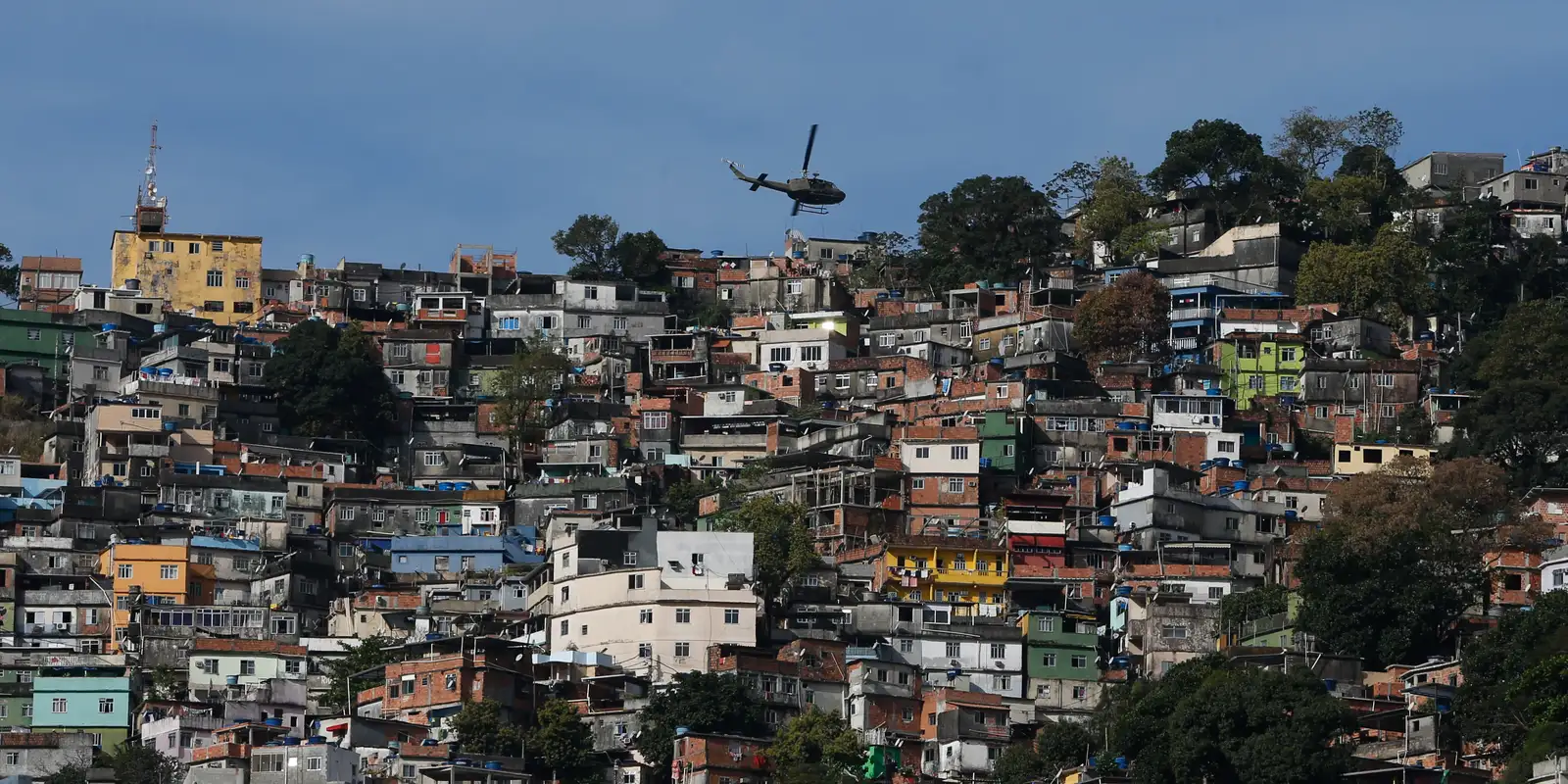
Research conducted in slums across the country analyzed perceptions of consumption, living conditions and perspectives of residents. Contrary to the stereotype that they are spaces of poverty, where the desire for consumption itself faces limitations, the answers indicate a commercial environment power and aligned with the main brands and platforms used in the rest of the country.
The study listened to 16,000 people, acting by a thousand volunteers linked to the Single Central of Favelas (CUFA), and methodology of the Data Favela Research Institute.
Among the perceptions, that 83% of respondents prefer products that are at the same time cheap but have quality; 85% feel made when they can gather resources to buy a more difficult access product; And 78% strive to purchase products whose access was not possible when they were younger, which denotes a perception of consumption such as achievement and access as right and belonging.
The feeling of frustration was also investigated by the research. What’s more, 50% of respondents have already considered that they have been embarrassing or humiliated because they did not have access to a product, while 62% were excluded because they are unable to consume a product that is fashionable.
Another aspect highlighted by the research was the perception of the importance of appearance care: 77% of respondents said they care about appearance, 57% considered cosmetic products as first -need items and 37% said that looking good is a positive element for better professional conditions.
Longings
The survey also sought the perception of what the main desires of residents: 19% have as their biggest dream better housing conditions and 18% more access to hospitals and health posts.
Another 18% prioritized more security, while 14% dream of more infrastructure, such as sewage and lighting. Respecting item for residents was a priority for 9% of the ears, while the leisure options was 7%; More schools with 5% and more transportation options, 4%. Five percent prioritized other dreams and 1% did not define any desire as a priority.
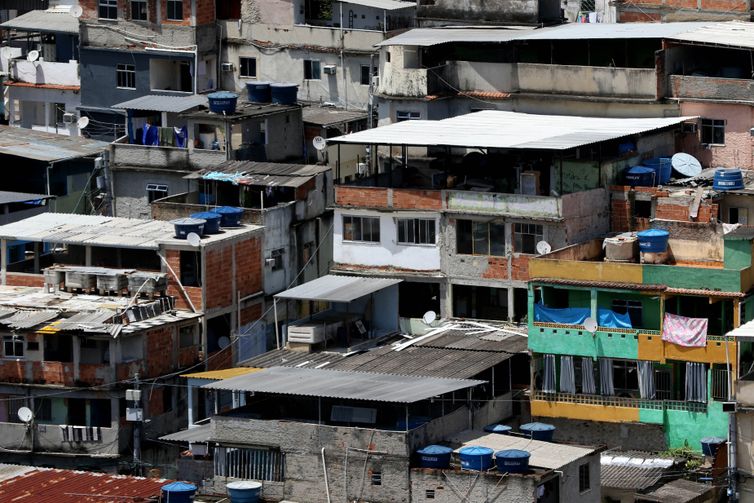
Survey says 62% of slum residents feel excluded because they are unable to consume product that is fashionable. Photo – Tânia Rêgo/Agência Brasil
How the slum buys
The consumption online It is carried out by six out of 10 slum residents where about 17 million people live in the country over 18 years in 8% of homes in the country.
The main preferred platforms are Shoe, Free market and Sheinwith 78% mentions such as sites where residents of the region often buy, with considerable leadership of the first, used by 40% of respondents.
Regarding purchasing intentions in a six -month break, 70% of slum residents want to purchase locker rooms, 60% want to buy beauty and perfumery items and 51% only beauty products. Construction material is among the desires close to 51% of respondents, even those who are intended to acquire appliances. 43% intend to buy electronics, while 43% dream of consuming various courses and 29% language courses.
The research also found difficulties in online purchases. What’s more, 60% of respondents reported delays in orders delivery, while 20% did not receive orders, as the address was not found. Half of respondents said they received fraudulent messages or emails on orders. One third of the ears fell into messages or e-mail.