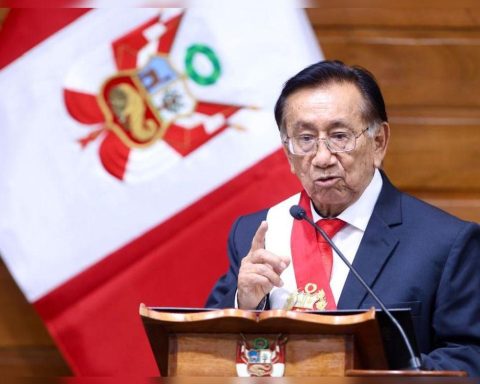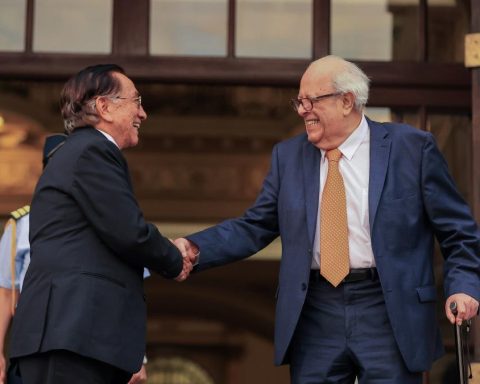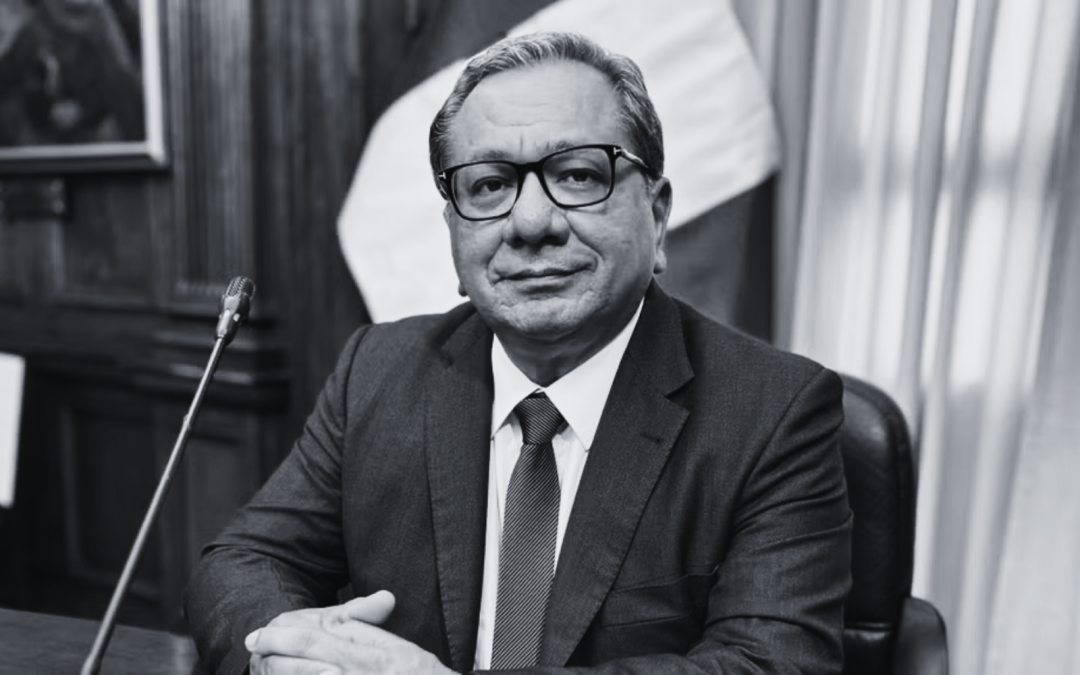
The congressman of the Republic, Carlos Andersondied today as confirmed to Peru21 the president of Parliament, Fernando Rospigliosi.
Anderson, an economist by profession, entered the legislature in 2021 for the Podemos Peru party, occupying third place in Lima with 14,052 votes. However, he resigned from the party due to disagreements with José Luna Gálvez.
Known for his critical stance towards traditional party structures and his emphasis on institutional transparency. In the period 2021-2026, he stood out as a heterodox figure within Parliament, representing a critical position both within his bench and from his position as a non-group legislator.
Anderson becomes the fifth congressman to die in this legislative period. The other deceased parliamentarians are Enrique Wong, Fernando Herrera Mamani, Nano Guerra García and Hitler Saavedra.
The Congress of the Republic expresses its condolences to the family and loved ones of Congressman Carlos Antonio Anderson Ramírez for his sensitive death.
May he rest in peace. pic.twitter.com/U7Av7bkNjb
— Congress of Peru 🇵🇪 (@congresoperu) December 26, 2025
Political career
Anderson jumped onto the national stage as a member of the Podemos Peru bench, although he soon decided to distance himself from it due to the closeness that this political organization had with the then president Pedro Castillo. In 2022, he presented his irrevocable resignation from the bench, choosing to remain as an independent congressman, an early sign of his rejection of the centralized logic and power within traditional political groups.
With the passage of time, he consolidated himself as a critical voice within Parliament, not only with respect to the current government management, but also in relation to the legislative institutions themselves. In various interviews and media appearances, Anderson spoke harshly about the credibility crisis of Congress and the need for profound reforms in the Peruvian political system.
Application and departure from Peru Moderno
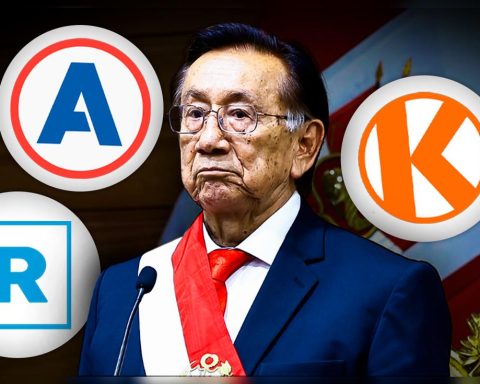
In December 2024, Anderson announced his presidential candidacy for the Modern Peru party, a recently created political organization promoted by businessman Wilson Aragón for the 2026 General Elections. His announcement represented an attempt to channel his critical discourse and his proposals for political renewal towards a broader electoral platform.
However, in August 2025 he decided to irrevocably resign from Perú Moderno, alleging differences with the party leadership and questioning the lack of institutionality and internal transparency. In his resignation letter, he harshly criticized the functioning of the political parties in the country, describing them as “family organizations” lacking a national vision and effective internal democracy.
Legislative agenda and public positions
During his parliamentary work, Anderson emphasized issues of transparency and State oversight. In February 2025, he publicly denounced the existence of up to 4,500 “ghost workers” in Congress, people included in public payrolls without fulfilling real functions, which for him was a symptom of lack of control and supervision in the use of public resources. This position led him to demand external audits and question the role of internal supervision mechanisms.
On a general political level, Anderson was also critical of various actors on the national political scene, including representatives of the Executive and Legislature. He questioned the legitimacy of political figures who have held high positions without direct electoral support, and denounced the persistence of practices that, in his opinion, deteriorated citizen confidence in institutions.
RECOMMENDED VIDEO