The tax reform remains without votes in Congress and this Wednesday it will be decided whether it advances or is definitively shelved.
The economic commissions of Congress met again to try to advance in the first debate on the tax reform, a key initiative for the Government but one that faces growing signs of failure. Even though the session had been going on for more than an hour between roll calls and breaks, the decision-making quorum —necessary even to approve the agenda— was only completed at the end, just before the president of the session, Representative Wilmer Castellanos, again announced the project for the next day and adjourned the discussion.
“We are going to announce the project for tomorrow,” explained Castellanos, after confirming that there were no conditions to vote. The scene has been repeated three times in less than a week.
A Congress that does not have the votes
The most obvious situation is that the Government today does not have the necessary support. In the Fourth Committee of the Senate they would already be ready nine votes out of 15 to sink the initiative. Among the senators who, according to La FM, would vote against are: Enrique Cabrales, Carlos Meisel, Carlos Abraham Jiménez, Carlos Mario Farelo, Juan Felipe Lemos, Samy Merheg Richard Fuelantala, Paulino Riascos and Angélica Lozano.
With that number, the reform would be archived even before reaching the plenary sessions.
You may be interested in: Be careful: alert for counterfeit medicine used to treat cancer
The Government tries to regain control
The Minister of Finance, Germán Ávila, arrived early again at the venue and insisted that the project is necessary to guarantee resources from the 2026 Budget. The reform seeks to raise COP 16.3 billionafter a cut that eliminated about COP 10 billion in front of the initial text.
In the technical presentation this Tuesday, Ávila highlighted the changes introduced during the negotiation with Congress. “The controversial VAT increases for fuels were eliminated,” he said, listing the modifications that the Government made to unlock support:
- Elimination of the VAT increase on gasoline from 5% to 19%.
- Elimination of VAT on ACPM and fuel alcohol from July 2026.
- Elimination of 19% VAT for biodiesel.
- Elimination of 19% VAT on the retail margin of gasoline from 2026.
- Elimination of the 72 UVT deduction for dependents.
- Elimination of the 19% discount for dividends.
- Elimination of the proposal to tax the inflationary component of financial returns.
What remains of the project
Despite the cuts, the majority of the articles remain intact. Among what remains:
- 19% VAT for spirits, rum, whiskey, vodka, brandy and wines (currently 5%).
- 19% VAT for online games of luck and chance.
- Modification of the event generating the wealth tax, starting from 40,000 UVT.
- Increases in some rates of that same tax.
- 19% VAT for most hybrid vehicles, except for “full hybrids”, which maintain 5%.
- Regarding international shipments, the speakers proposed an intermediate formula: maintain the tax exclusion only for packages less than USD 50.
A clock against
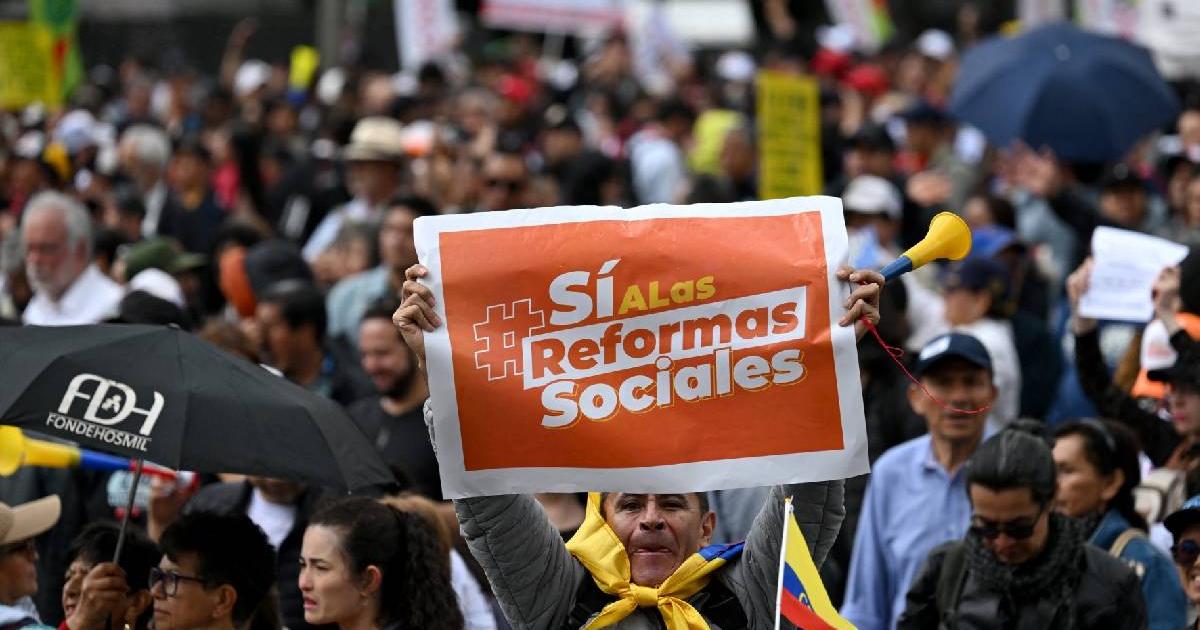
With days to go until the legislative period closes on December 16, the future of the reform is uncertain. Some congressmen admit that they do not They want to assume the political cost of voting taxes in a pre-election year. “There is no environment to approve a new tax burden,” acknowledged a parliamentarian during the discussion.
The final session It is scheduled for this Wednesday, December 3. It will be the clearest attempt to determine if the reform advances to the plenary sessions or if it ends up shelved, as anticipated by the majorities of at least one of the commissions.
Source: Integrated Information System