After an embarrassing “roll call” to find out if there was a quorum in the Senate session, the Upper House finally decided to postpone the treatment of the bill “On surveillance and protection of the Paraguayan Air Space.”
Taking into account that the initiative had a fictitious sanction on the same Thursday, the version of the deputies that established only intimidating shots, not the shooting down of drug planes, is sanctioned.
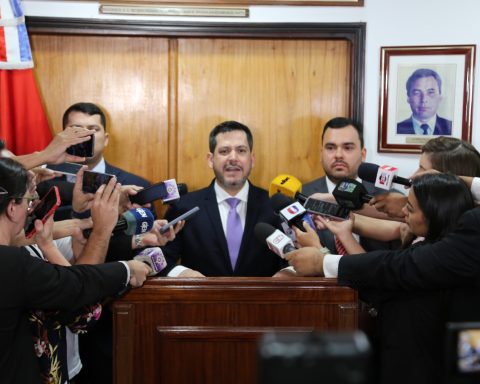
Óscar “Cachito” Salomón, president of the Senate, affirmed that the debate was long because the initiative had an expiration date on the date. Now the promulgation or veto passes to the field of the Executive. He recalled that United States authorities, during one of his last visits, emphasized that they would evaluate the cooperation they carry out with Paraguay if the Senate version of the law is approved. This, considering the recent Peruvian experience where a plane of religious people was shot down when it was mistaken for a drug plane.
ARTICLES
The most important item in the project is the fourth. It establishes that when the Air Force receives information about a suspicious flight, they must analyze whether or not it complies with the requirements and if it ignored the calls from the authorities. In that case of not answering the calls and not meeting the requirements, you can go to phase 1 and phase 2. “Phase one consists of monitoring and warning (approach in controlled flight, overtaking in the lateral area). Once the procedures have been exhausted, the Air Force commander may order the warning shots, with reasonable efforts not to hit the aircraft. Only in the case of attack, the public forces will be able to shoot at the aircraft.
SYNTHESIS
Hugo Richer, national senator for the Guasu Front, made a summary of the difference between the versions of the Deputies and the Senate. He explained that both projects have phases 1 and 2. That is, the communication phases to land at the nearest airstrip and the warning shots if the first fails.
The difference is in phase 3. The Senate version establishes that if the first two phases fail, the Air Forces can authorize the use of available means for neutralization through the use of the system’s weapons. “If the situation persists, having exhausted the procedures of phases 1 and 2 and the aircraft classified as hostile and in a state of need, the Air Force commander will authorize the neutralization of the aircraft in flight,” reads part of the document.
Enrique Salyn Buzarquis, national senator for the PLRA and representative of the Public Works and Communications Commission, affirmed that he personally considers the shooting down of the drug planes, it sounds very good, but the logistics, the intelligence service and the infrastructure that they have, make that compliance becomes dangerous.