I arrived in Medellín with an image inherited from the nineties and the Pablo Escobar-style series about drug traffickers: car bombs, hitmen on motorcycles, newscasts that repeated death tolls that were impossible to assimilate. At the end of the last century and the beginning of this one, this Colombian city was considered one of the most dangerous in the world.
Within that map of fear there was a point that condensed all the stigmas: Commune 13, in the San Javier sector. To say she was violent—a young neighborhood barber warned me as he cut my hair at the end of the day—was an understatement.
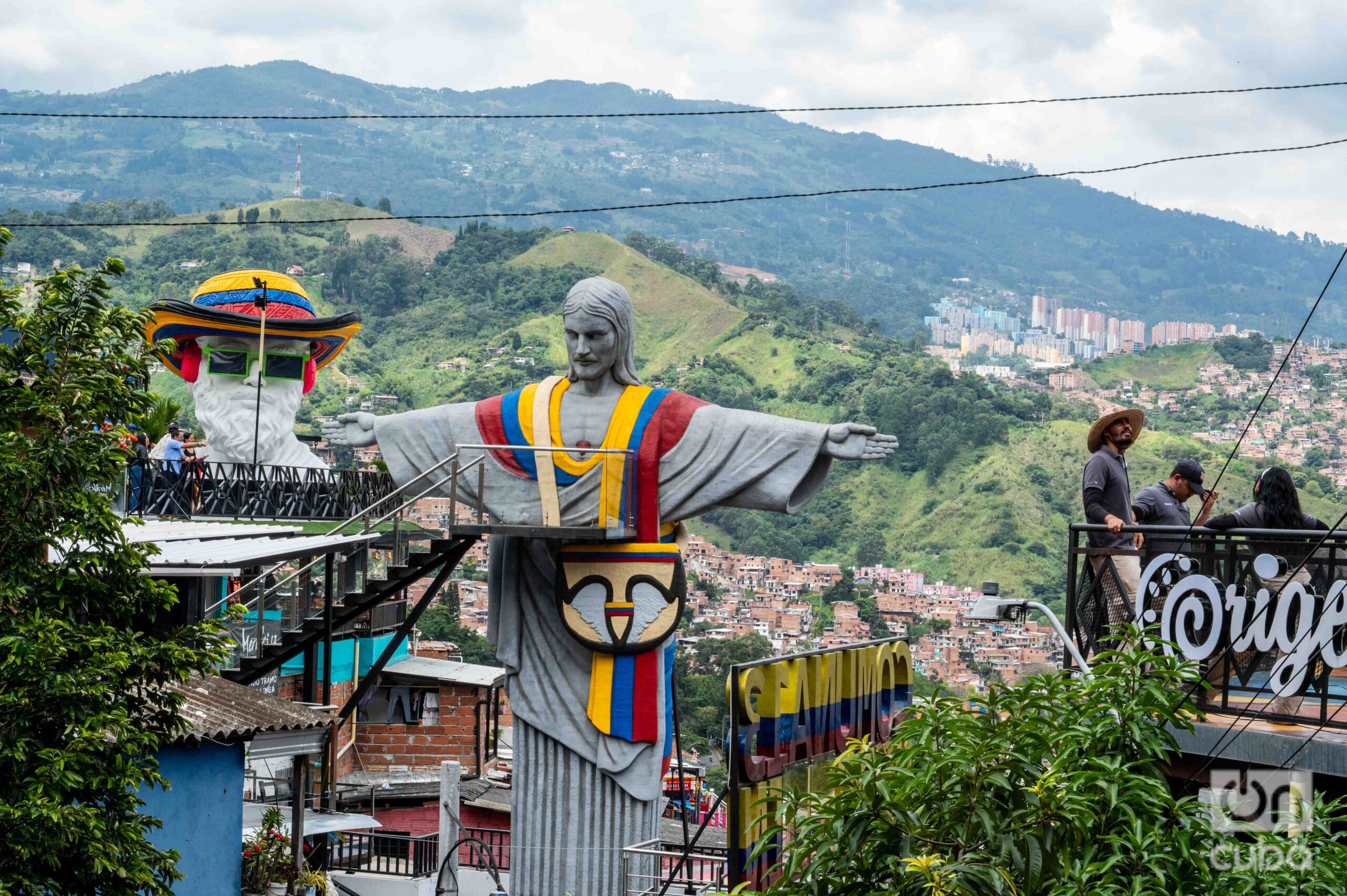
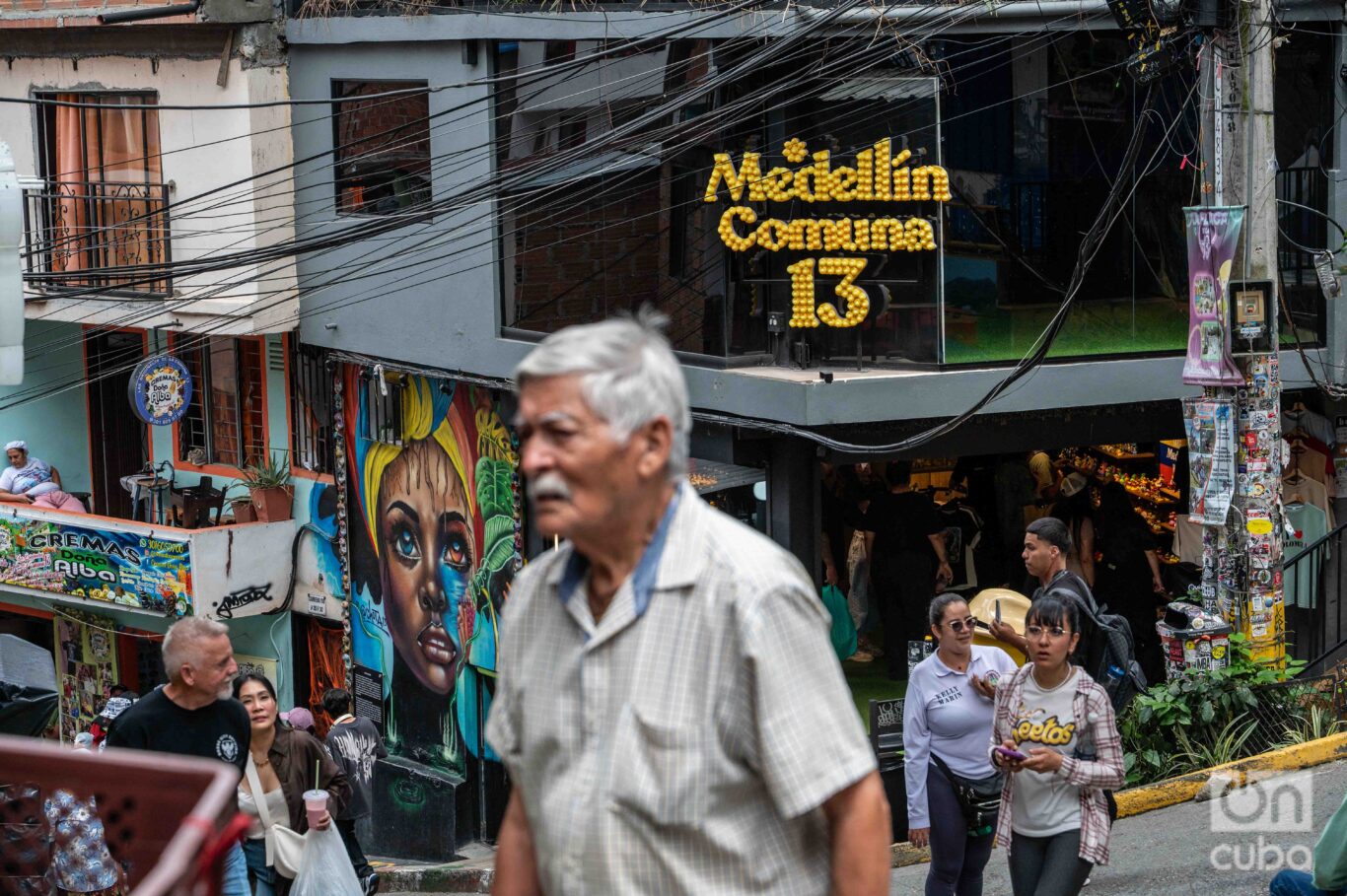
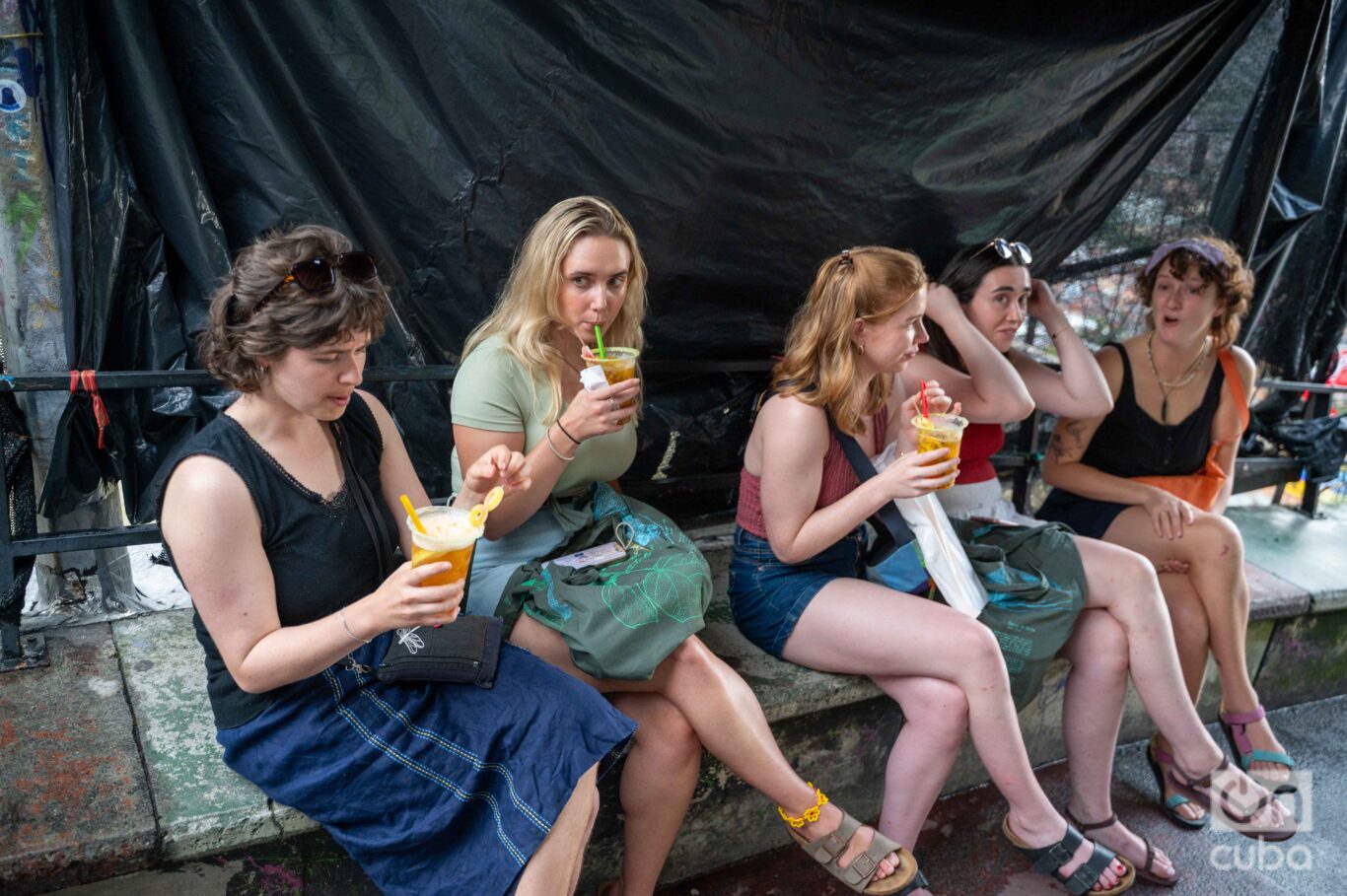
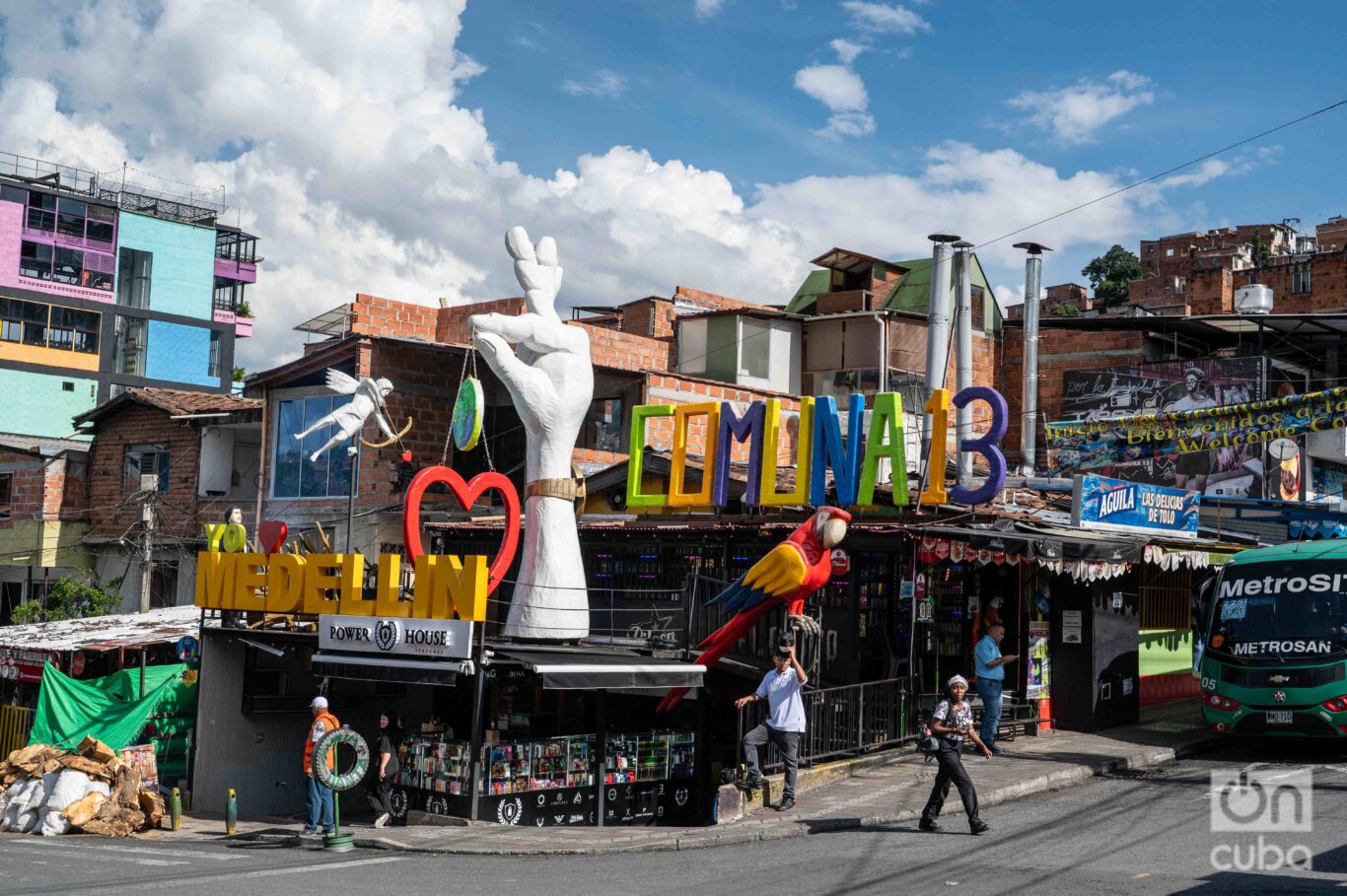
In the morning, the taxi left me on an esplanade full of visitors. tourists of different nationalities with cameras hanging around their necks and Colombian families in search of the most colorful mural for a selfie. Today, Commune 13 receives between 3,000 and 5,000 tourists per day—and can exceed 8,000 in high season—a figure that was unthinkable just two decades ago. It is hard to believe that these same stairs and alleys were the scene of military operations, shootings and disappearances.
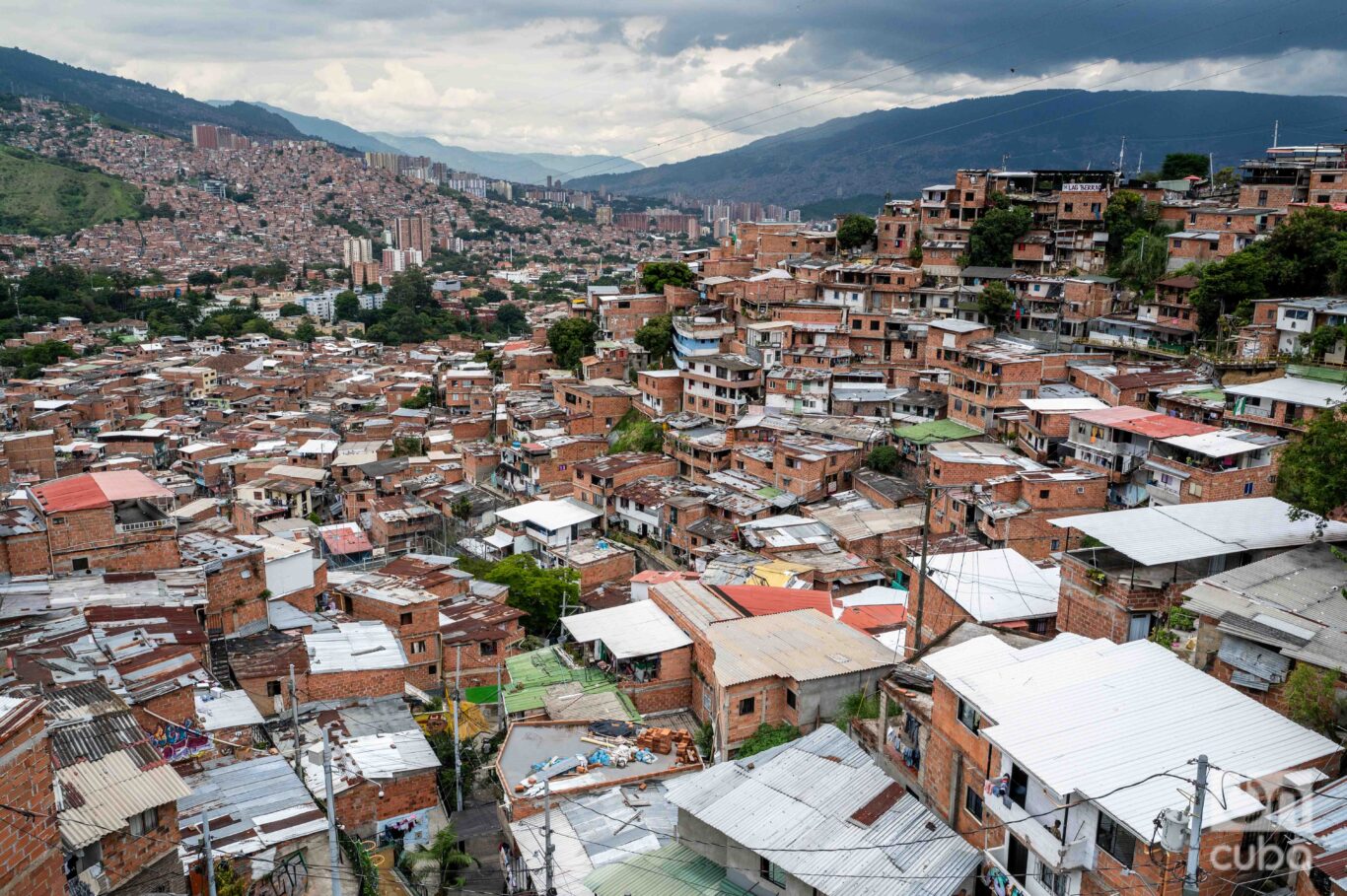
Comuna 13 currently houses about 140 thousand people distributed in more than twenty neighborhoods that make up this area of western Medellín. The topography explains everything: it is pure mountain. Houses built on top of each other, narrow passages, endless stairs.
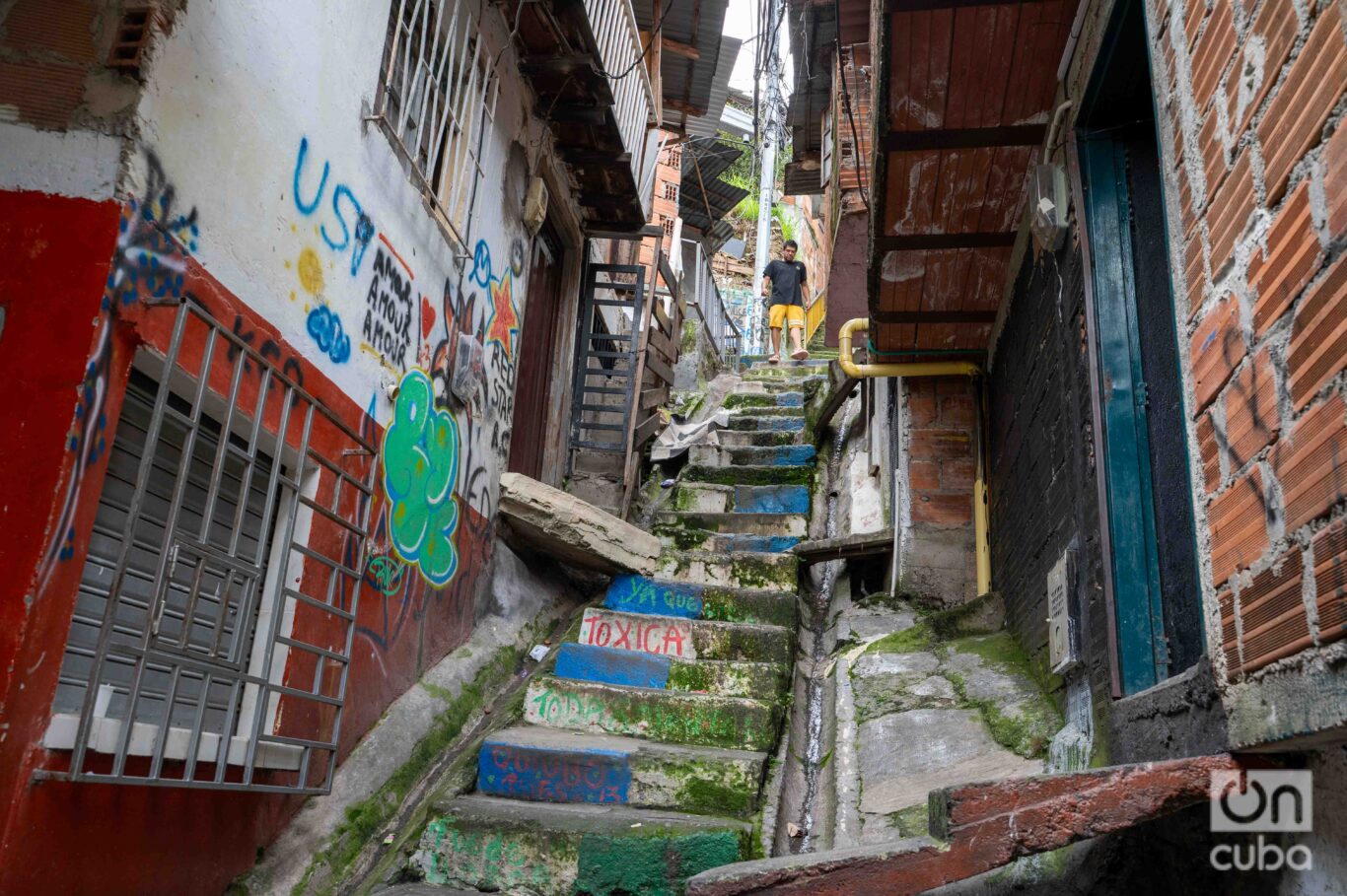
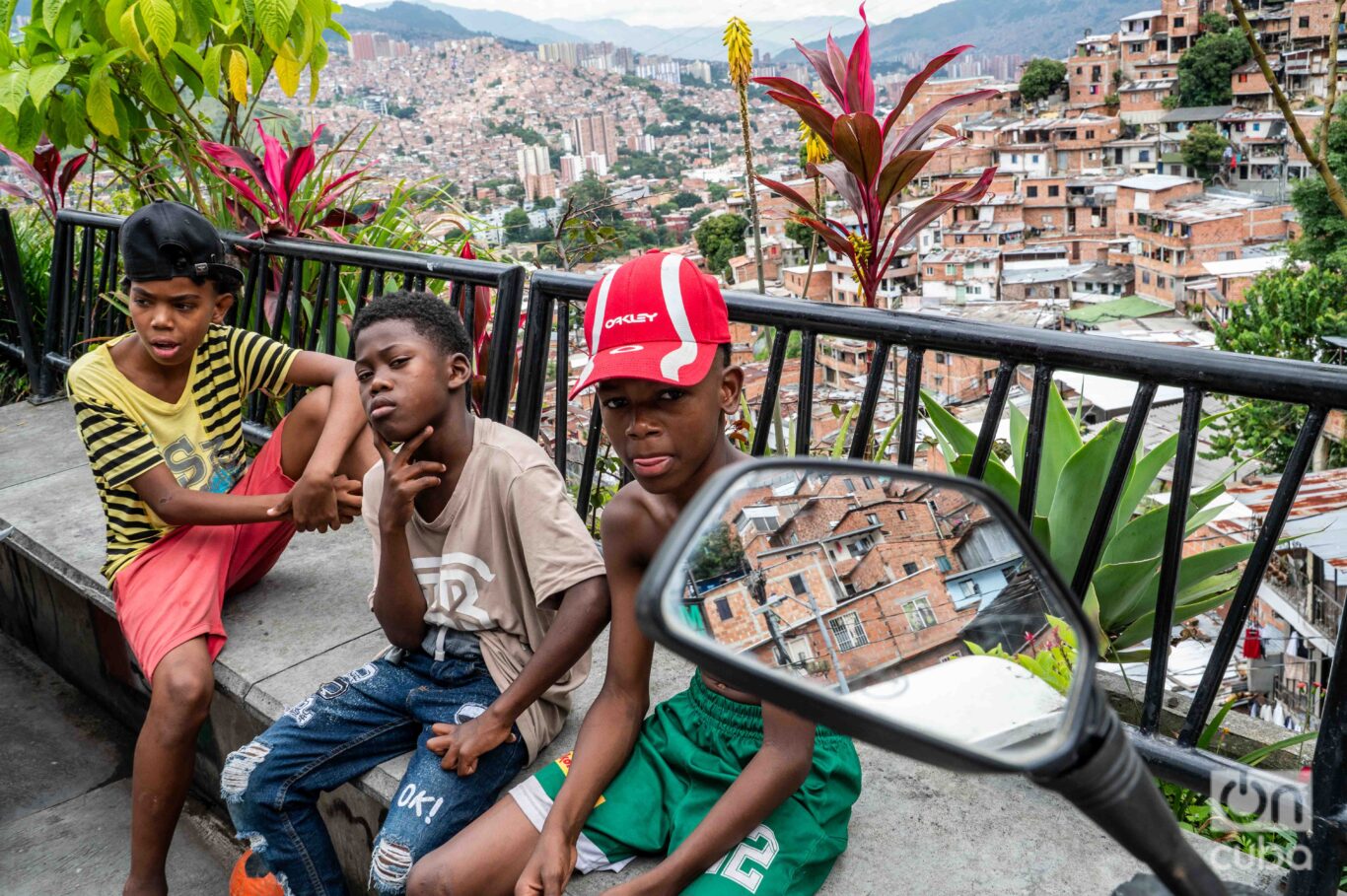
In the 1950s, San Javier was just a peripheral neighborhood linked to the then La América commune – today Comuna 12. Over time, internal migrations and informal settlements populated the slopes. Families fleeing rural violence found in these hills a place to build a home, by themselves. Growth was disorderly, with insufficient services and historic exclusion from formal urban development.
This exclusion became, between the seventies and nineties, the breeding ground for the area to be disputed by organized crime, drug trafficking and guerrilla militias. After Escobar’s death in 1993, the fragmentation of criminal power intensified disputes and paved the way for clashes between guerrillas and paramilitaries. The neighborhood seemed, according to those who lived there, a permanent war zone.
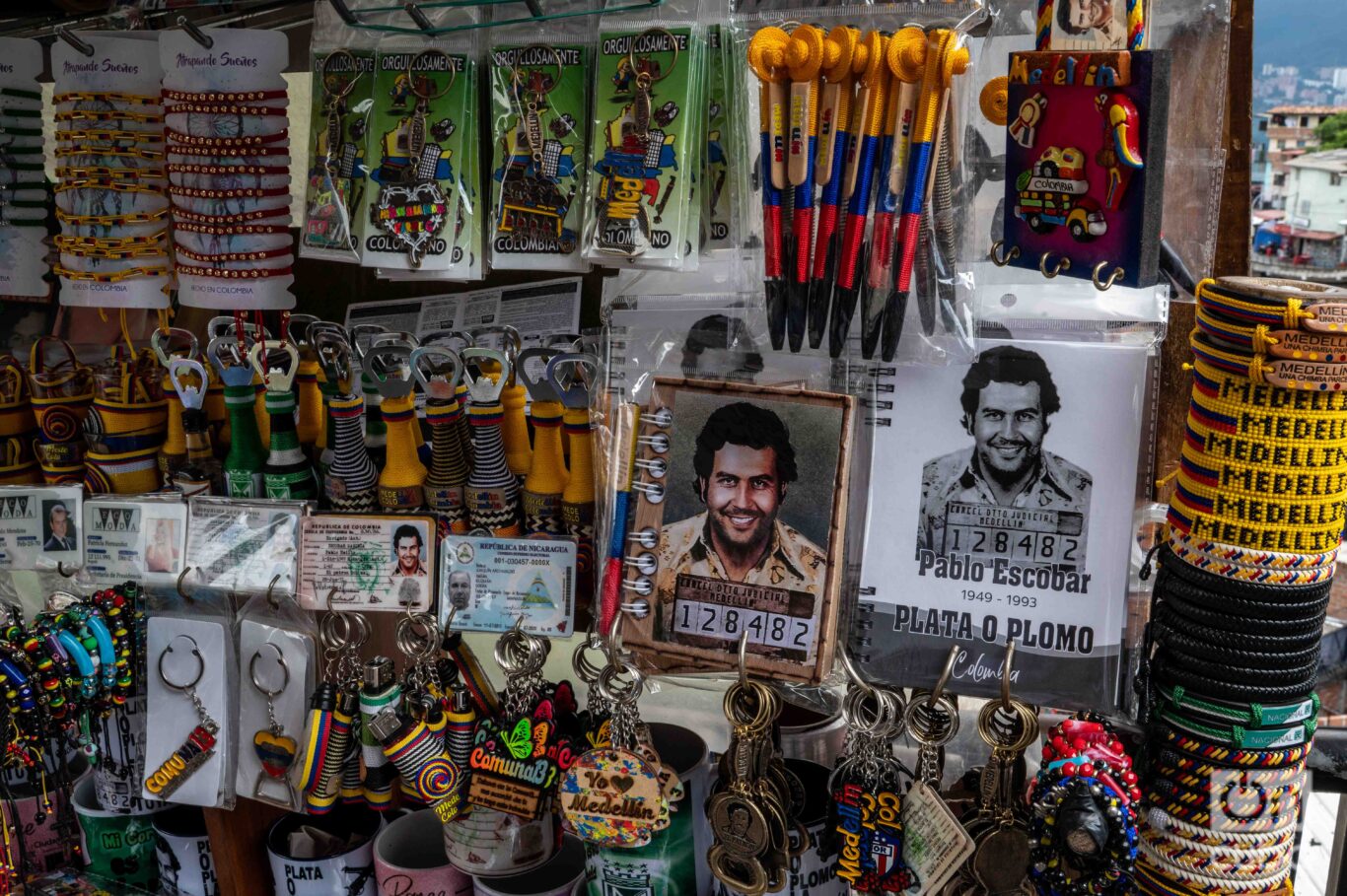
On May 21, 2002, Operation Marshal began. Months later, on October 16, 2002, the government of Álvaro Uribe launched “Operation Orion”, an unprecedented urban offensive in Colombia. For three days, nearly a thousand troops entered Commune 13. The official toll reported dozens of dead and wounded, in addition to hundreds of detainees. At the same time, paramilitary groups perpetrated murders and forced disappearances.
Many residents maintain that several victims were buried in La Escombrera, today converted into a symbol of search and memory.
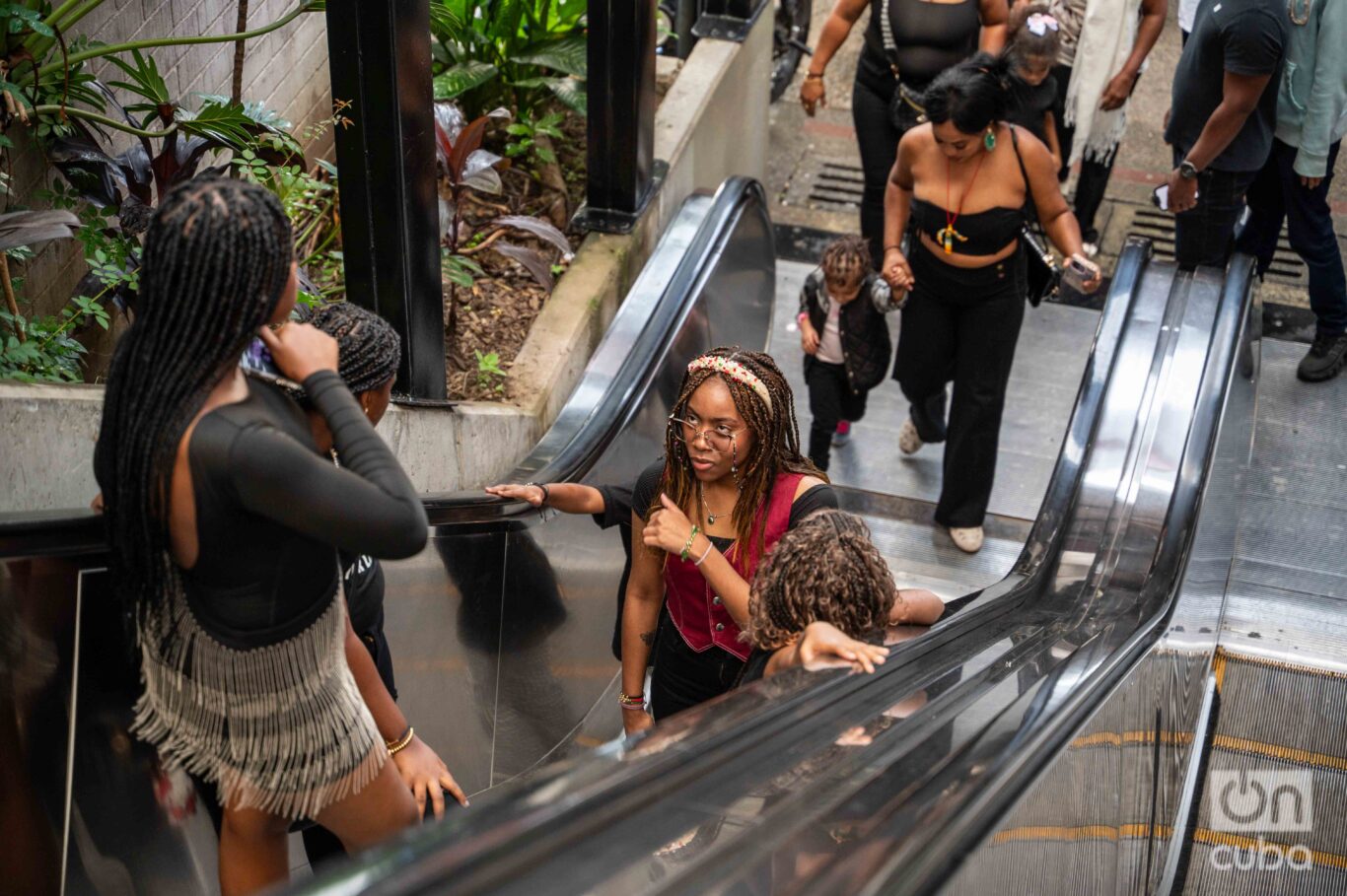
Faced with that past, the present surprises. The transformation began to become visible in 2011, when the open-air escalators were inaugurated: 385 meters distributed in six sections that replaced more than 350 concrete steps. The work reduced travel times and directly benefited more than 12 thousand residents.
Without intending it as a tourism policy, this project marked a turning point. Starting in 2012, visitors curious about the urban transformation began to arrive; Between 2014 and 2016, young people from the neighborhood structured the so-called “Grafitour”, articulating urban art, historical memory and community narrative. Since then, the flow has not stopped growing.
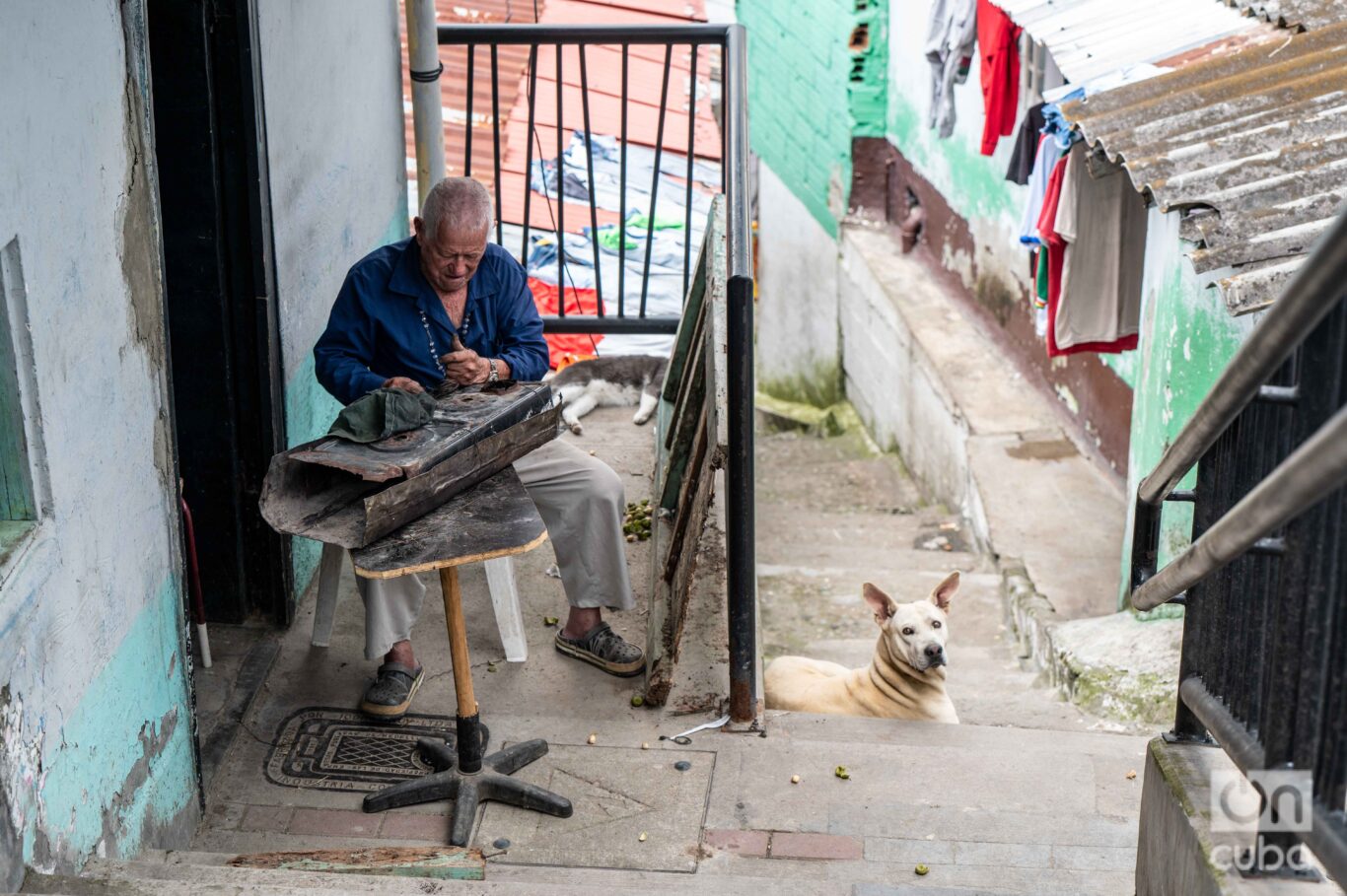

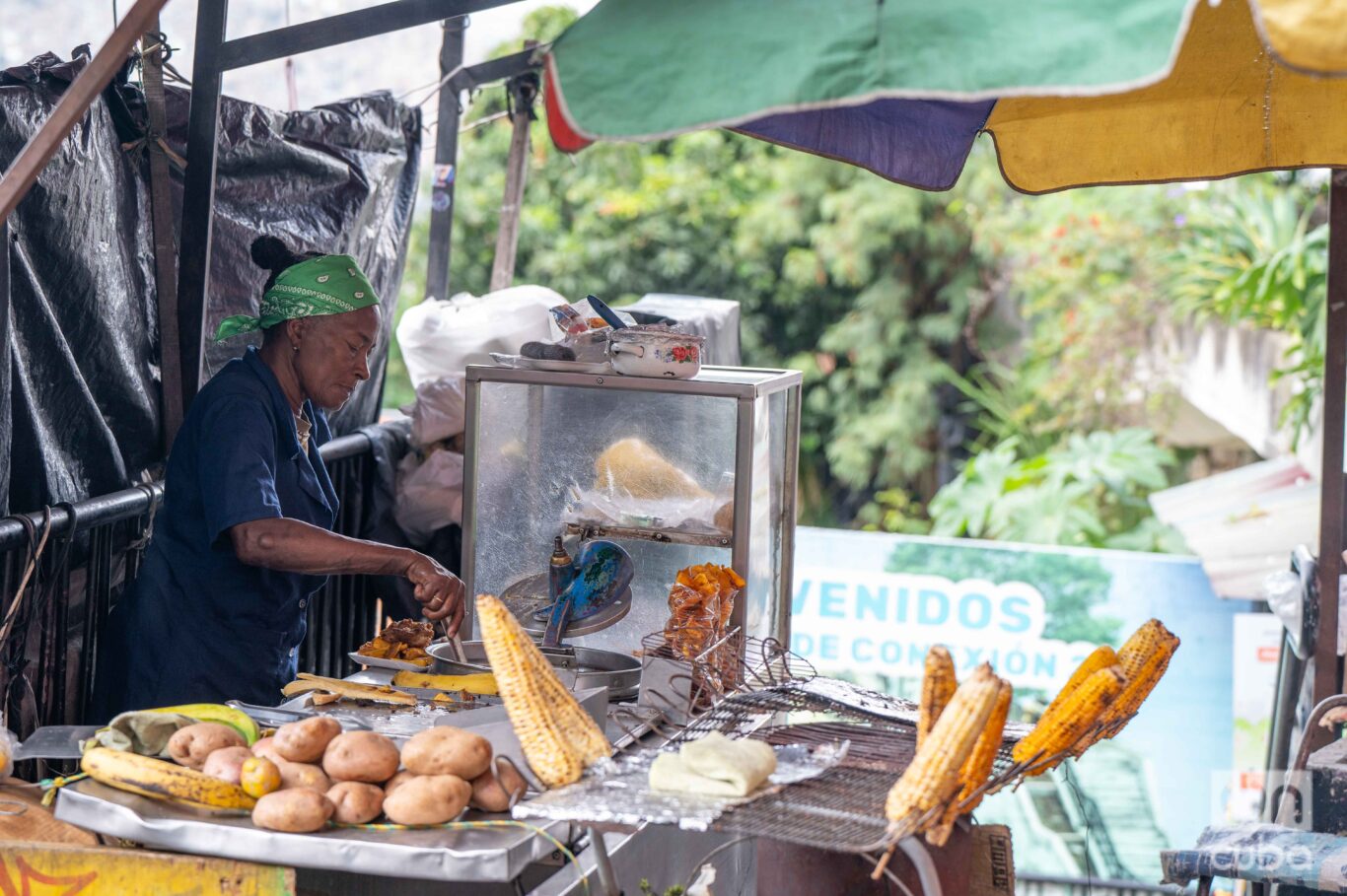
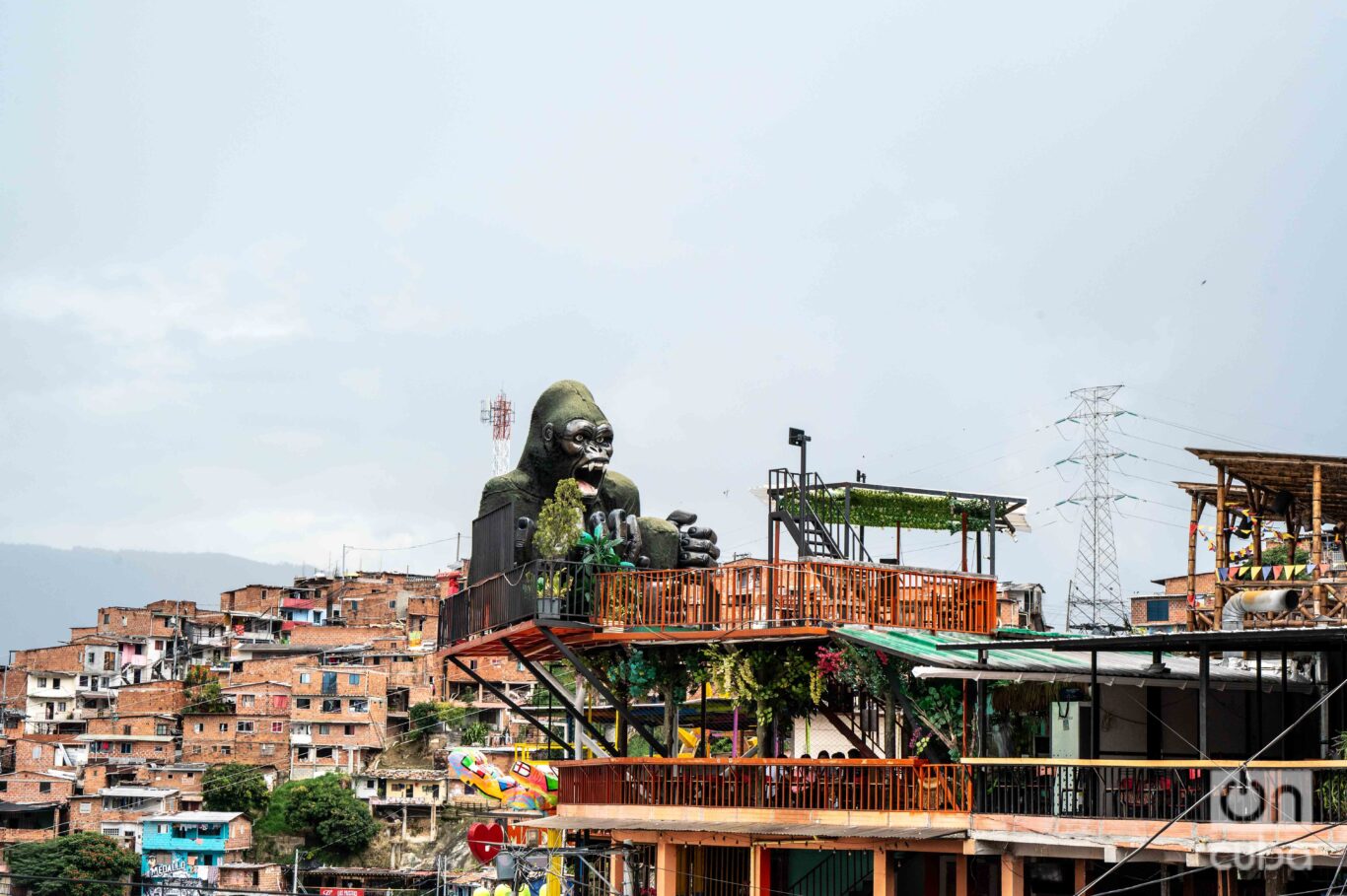
Today the murals tell the history of the neighborhood, denounce disappearances and celebrate resilience. Urban art became a vehicle of memory and also an economic engine. Terraces converted into viewpoints, family cafes, independent design stores and rappers who improvise in front of visitors are part of a new productive dynamic.
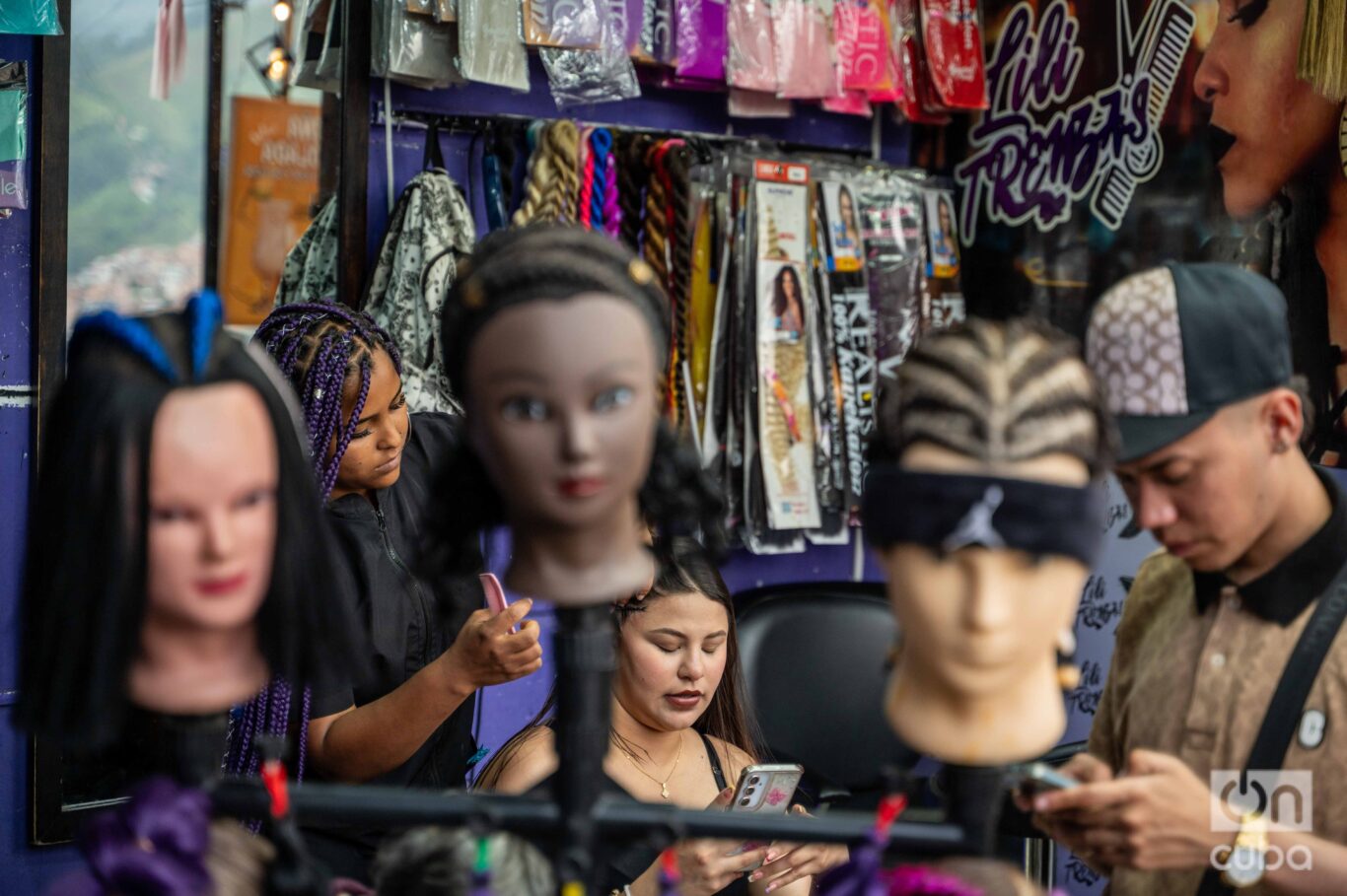

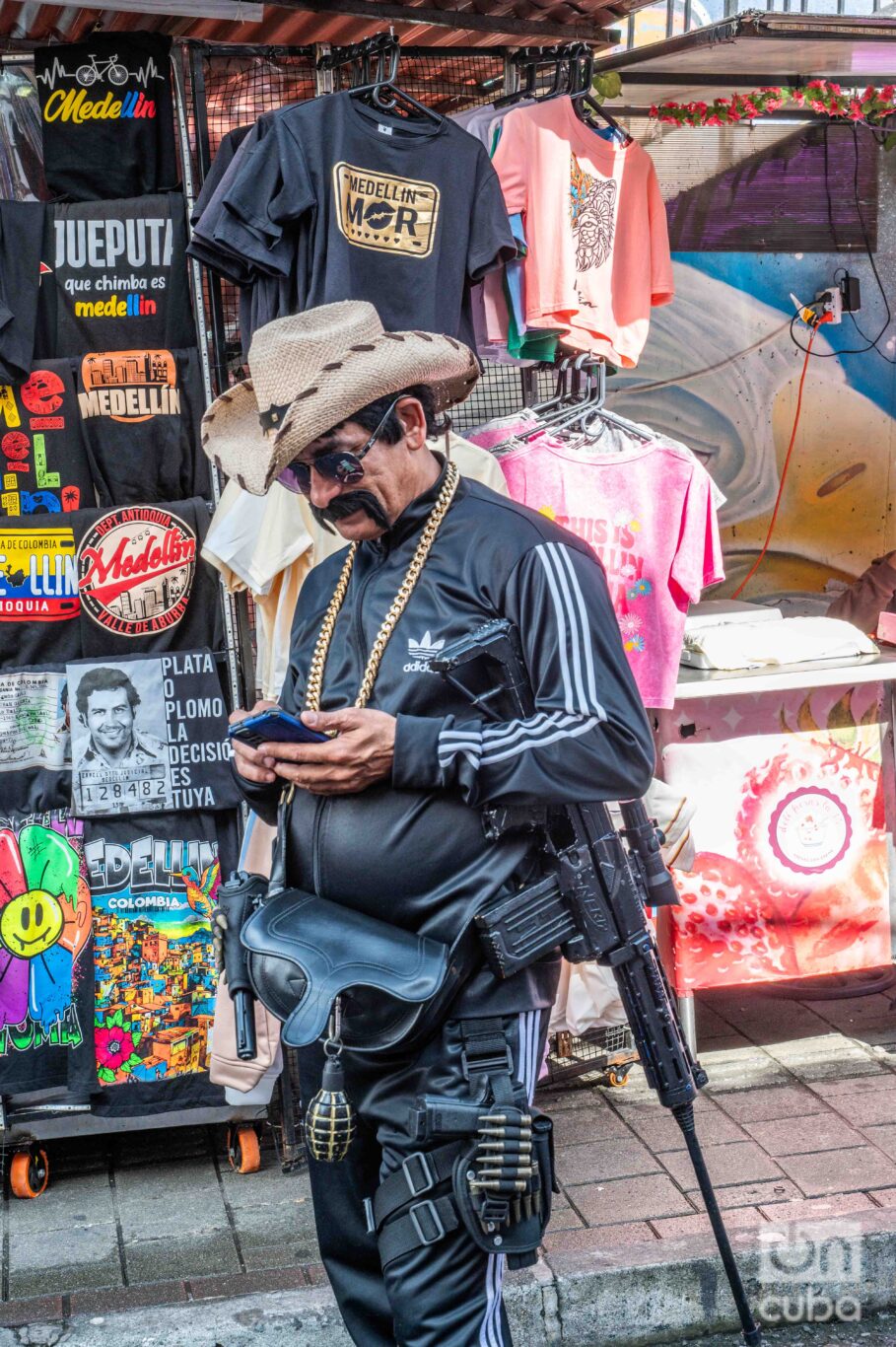
However, as I climb the stairs and look at the city spread out like a sea of red bricks, I think about the tension between memory and market. These slopes, historically excluded, today form part of the international tourist circuit. Is this real inclusion or a kind version of inequality? Both dimensions probably coexist.
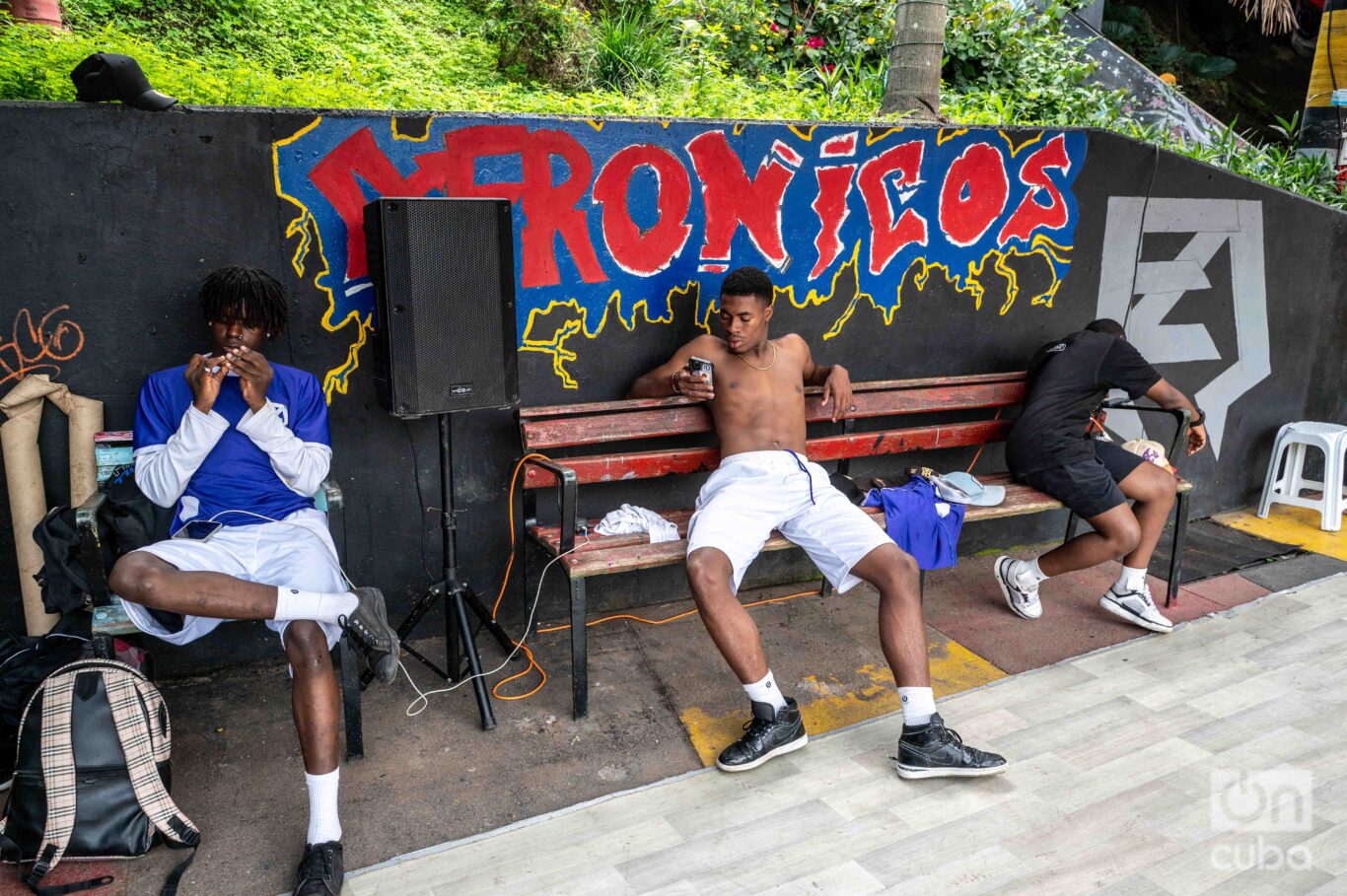
What is indisputable is that Medellín drastically reduced its homicide rates compared to the peaks of the 1990s and went from leading lists of violence to appearing in rankings international urban innovation. Commune 13 stopped being synonymous with fear and became a world reference for social transformation.
Going through it means getting rid of the prejudices fueled by narco fictions. Transformation does not consist of erasing the past, but rather resignifying it. The mountain that once isolated now connects; The stairs that were exhausting today are approaching. Commune 13 is not a fairy tale or a naive postcard: it is a territory where sociopolitical action and neighborhood organization altered the course of a history marked by violence.