Asofondos warned that Decree 1485 makes minimum pensions more expensive and would force workers to contribute more years to retire.
The recent modifications to the mechanism that defines the minimum wage in life annuity pensionsintroduced through the Decree 1485 of December 31, 2025continue to generate strong controversy in the Colombian pension sector.
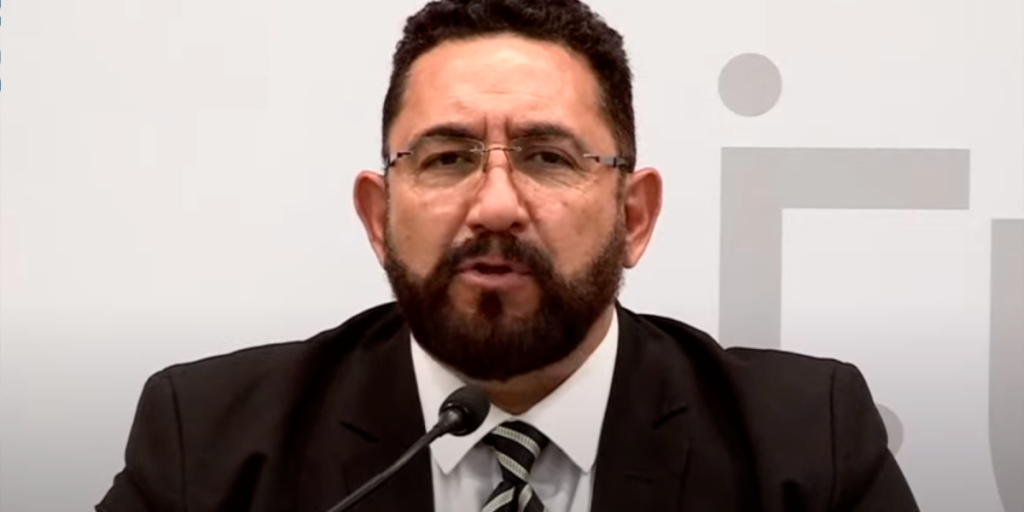
From the Colombian Association of Pension and Severance Fund Administrators (Asofondos)its president Andres Velasco warned that the measure could have direct negative impacts on future pensionersby increasing the cost of minimum pensions and putting the system’s insurance scheme at risk.
As the manager explained, the decree would be directly related to the increase in the minimum wage decreed by the Government by 23.08%which significantly increased public spending on pensions.
“The increase in the minimum wage caused the national government’s spending on pensions to grow significantly. It is a consequence of the decision to increase the minimum wage, in the way it was done,” said Velasco.
More news:Gasoline price in Colombia 2026: this is how it remains since January 1
“Throw the stone and hide your hand”
For the president of Asofondos, the Executive would be transferring part of that fiscal pressure to the individual savings systemreducing the State’s responsibility for the higher costs that insurers face when the minimum wage grows above inflation.
“What the Government is looking for now is how to throw the stone and hide its hand, because it is avoiding one of its fundamental responsibilities: compensating the individual savings accounts that guarantee the pensions of Colombians.“, held.
He Decree 1485 adjusts the technical parameter with which the minimum wage slide is calculated, eliminates the recognition of interest in the payment of coverage and limits access to the mechanism only to pensions equivalent to a minimum wage. For Asofondos, these changes alter the balance of the insurance scheme.
Work more and contribute more years
One of the effects that most concerns the union is the direct impact on members. As the cost of a minimum pension rises, it also increases the capital necessary to acquire it.
“This makes a pension cost more and, therefore, Colombians have to work more and contribute for more years to achieve the amount necessary to retire,” Velasco warned.
In this scenario, the insurance of pensions would be “in question”especially for low- and middle-income workers, who would face greater difficulties in achieving a minimum pension.
You may be interested in:A low increase in the UPC would generate a million-dollar deficit in the contributory regime
A fundamental debate on the pension system
For its part, the Government has defended Decree 1485 of 2025 by indicating that it seeks correct technical distortions, preserve fiscal sustainability and optimize the use of public resources intended to guarantee pensions equivalent to the minimum wage.
However, experts agree that the controversy puts a broader structural debate on the table: how to balance the increase in the minimum wage, the protection of the purchasing power of pensioners and the financial viability of individual savings schemes.
While the Executive insists on the need for fiscal discipline, Asofondos warns that decisions such as those contained in Decree 1485 could transfer the cost of adjustment to workersforcing them to stay longer in the labor market to ensure a minimum pension.
The discussion, which has just begun, is shaping up to be one of the main economic and social debates of 2026.
Source: Integrated Information System