The Colombian Minister of Defense assured that ELN guerrillas who used Venezuelan territory as a rearguard now feel insecure and are retreating towards Colombia. He described the political change in Caracas as “a unique opportunity” to coordinate on security matters
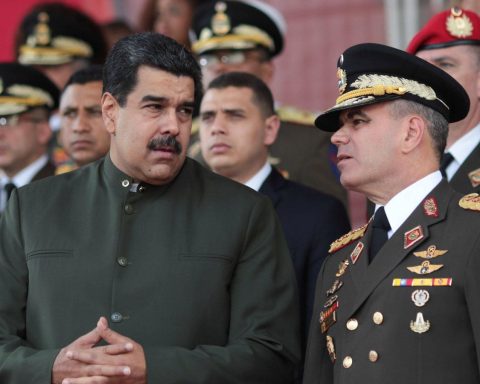
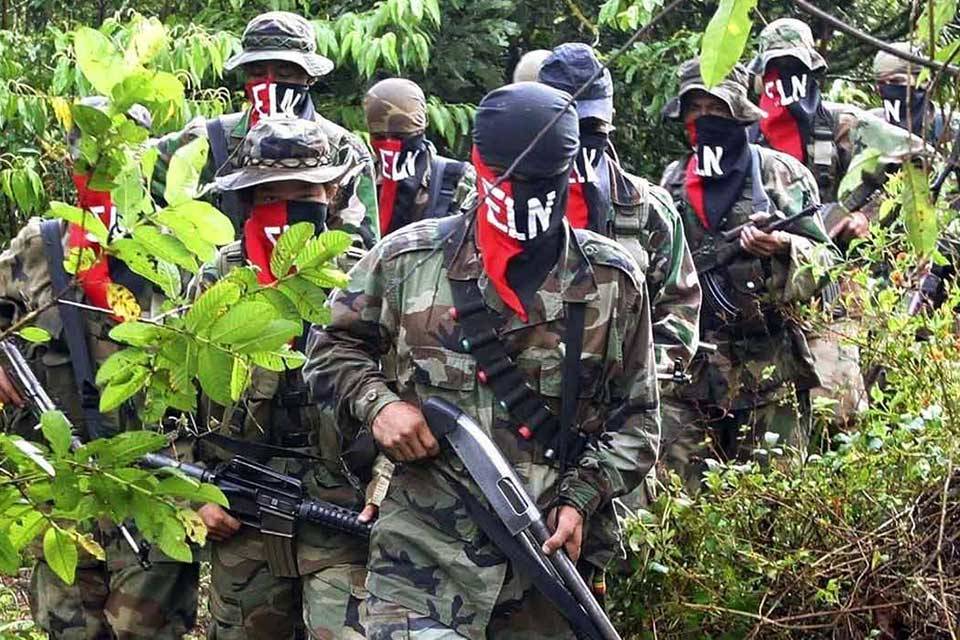
The Minister of Defense of Colombia, Pedro Sánchez, stated this Wednesday that Venezuela began to push members of the National Liberation Army (ELN) and dissidents of the former FARC back towards the border, which would mark a change compared to years in which Venezuelan territory functioned as a refuge for these armed groups.
“They are advancing operations in the border area and some members of the ELN cartels, of the dissidents, no longer feel safe in that area,” Sánchez said in an interview with the AFP agency in Paris, when asked if there were changes in Venezuela after the overthrow of Nicolás Maduro.
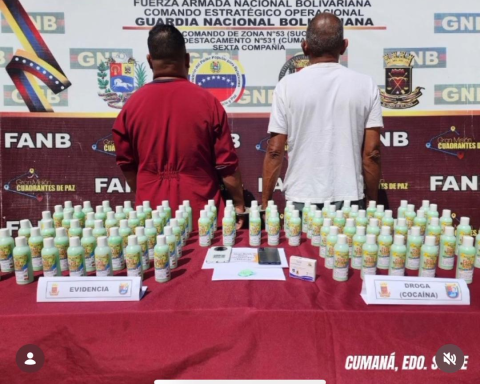
Colombia and Venezuela share a 2,200-kilometer border, characterized by irregular crossings and weak state presence in several sections. Armed groups operate in that area that dispute illicit economies such as drug trafficking, illegal mining and smuggling.
According to the Colombian official, these groups used the Venezuelan side as a rearguard, but that situation would have changed after the capture of Maduro by the United States at the beginning of January and the arrival to power of the person in charge of the Executive, Delcy Rodríguez.
These operations in Venezuelan territory force irregular groups to move “towards the Colombian side, or in an area a little closer to the border,” Sánchez explained. In his opinion, this movement allowed his country’s military forces to act recently in Catatumbo, where at least 15 alleged members of the ELN were killed last week.
The operation occurred hours after the president of Colombia, Gustavo Petro, and his American counterpart, Donald Trump, agreed at the White House to strengthen cooperation against illegal groups and drug trafficking.
Sánchez specified that this cooperation will focus “mainly on intelligence” and ruled out the deployment of US troops in Colombia. “How do we better articulate intelligence between the United States and Colombia to use Colombian force under Colombian norms and international humanitarian law against these criminal groups that commit crimes in Colombia,” he indicated.
The minister added that intelligence is key “so that there are no gray areas” on the border and pointed out that Colombia is already “articulating” at a diplomatic level with Caracas on security matters, without offering further details.
For Sánchez, the change of power in Venezuela constitutes “a unique opportunity” that must be taken advantage of to rehabilitate the security communication channels between both countries. “We hope that we can transcend in terms of security,” he said.
*Read also: Secretary Chris Wright: The goal is to have representative government and free trade
*Journalism in Venezuela is carried out in a hostile environment for the press with dozens of legal instruments in place to punish the word, especially the laws “against hate”, “against fascism” and “against the blockade.” This content was written taking into consideration the threats and limits that, consequently, have been imposed on the dissemination of information from within the country.
Post Views: 91