Minister Ernesto Villegas pointed out that the Program for Coexistence and Peace is not “to overlap the functions of public powers.” He declined to answer whether the second parliamentary discussion on the amnesty law will take place on Thursday, February 12. “We are listening to all the approaches, and we welcome all contributions but we cannot give an opinion”
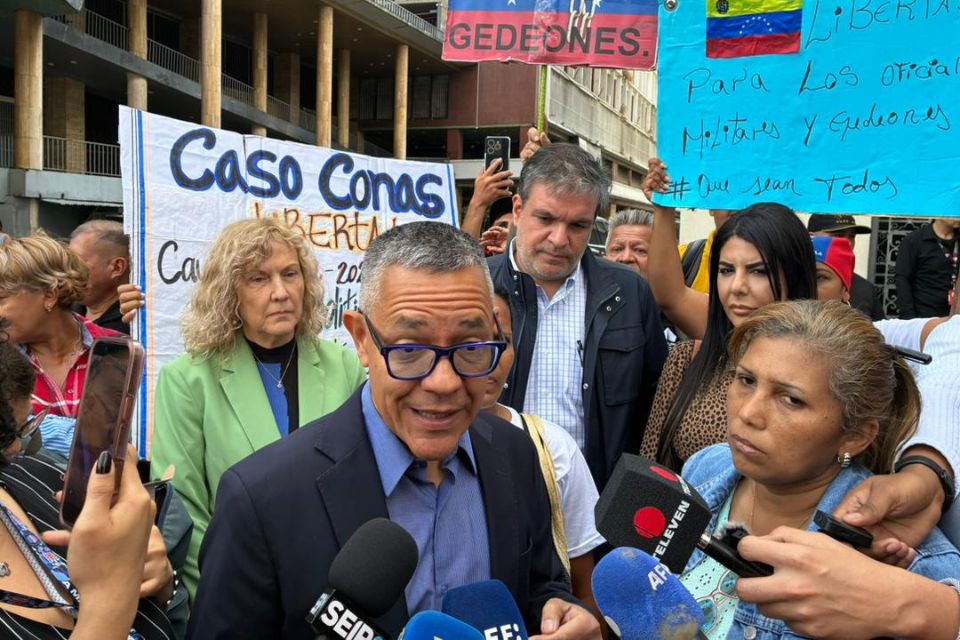
The Minister of Culture, Ernesto Villegas, reported that the “Program for Coexistence and Peace” plans to meet with relatives of political prisoners starting Wednesday, February 11, after participating for several hours in a meeting between the families and deputies of the National Assembly this Tuesday.
“We have proposed that those who have not been able to exercise the right to speak on this day… can participate with us as well,” Indian Villegas, who coordinates the program, while explaining that these meetings “with relatives of prisoners” will take place with “a method” to guarantee hearing the greatest number of testimonies.
«We have accumulated many wounds and many pains, and we have also had too much time in bubbles, with exclusive narratives. “We are in a moment of sensitivity and we value this space,” he expressed.
Regarding the meeting between deputies, members of the Program and relatives of political prisoners, he expressed that it was “a very respectful day among all those present and that puts the Venezuelan affirmative forward. I think that all the testimonies we heard touched our hearts“, and I think that all Venezuelans are in an hour of listening.”
#Now | Ernesto Villegas, Minister of Culture and coordinator of the Program for Coexistence and La Paz: It has been a very respectful day between all the actors… I think that all the testimonies we heard touched our hearts and we Venezuelans are in the hour of… pic.twitter.com/pSa0mkZRz2
— TalCual (@DiarioTalCual) February 10, 2026
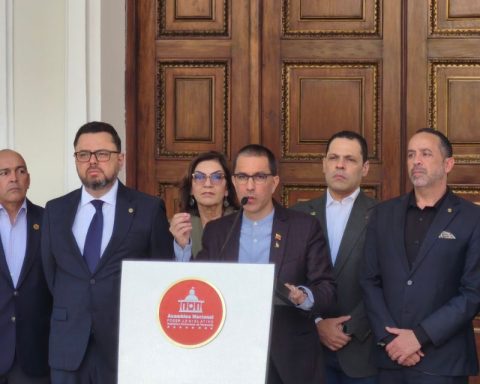
He also commented that Congressman Jorge Arreaza, who chairs the parliamentary commission in charge of reviewing the amnesty project, requested “concrete data” on each of the cases presented by the relatives. “That is the spirit because, we must also say, there is a lot of scattered information… There are some cases that do not qualify for this type of situation because they have been camouflaged, tarnishing rights.”
*Read also: Relatives of political prisoners meet with deputies and insist on extending amnesty
Villegas pointed out that the program is not “to overlap the functions of public powers. “We are here to accompany, facilitate, the agreements that Venezuela needs and for which the overwhelming majority of Venezuelans are clamoring.”
Likewise, he said that the only “consensual proposal” among the members is “the willingness to open spaces to talk with all national sectors,” so the program also corresponds “to the victims of the guarimbas.”
When asked if there are further proposals on the re-institutionalization of public powers, Villegas declined to offer further details. “We are building trust, gaining credibility, the paths for a new political stage in Venezuela where we can meet within the framework of our differences, isolating extremist positions and lawless conduct on all sides.”
Likewise, he avoided referring to the situation of Juan Pablo Guanipa or answer if the second parliamentary discussion on the amnesty law will take place on Thursday, February 12. “We are listening to all the approaches, and we welcome all contributions but we cannot advance an opinion.”
*Journalism in Venezuela is carried out in a hostile environment for the press with dozens of legal instruments in place to punish the word. It has been a very respectful day among all actors… I think that all the testimonies we heard touched our hearts and we Venezuelans are in the moment of listening, especially the laws “against hate”, “against fascism” and “against the blockade”. This content was written taking into consideration the threats and limits that, consequently, have been imposed on the dissemination of information from within the country.
Post Views: 60