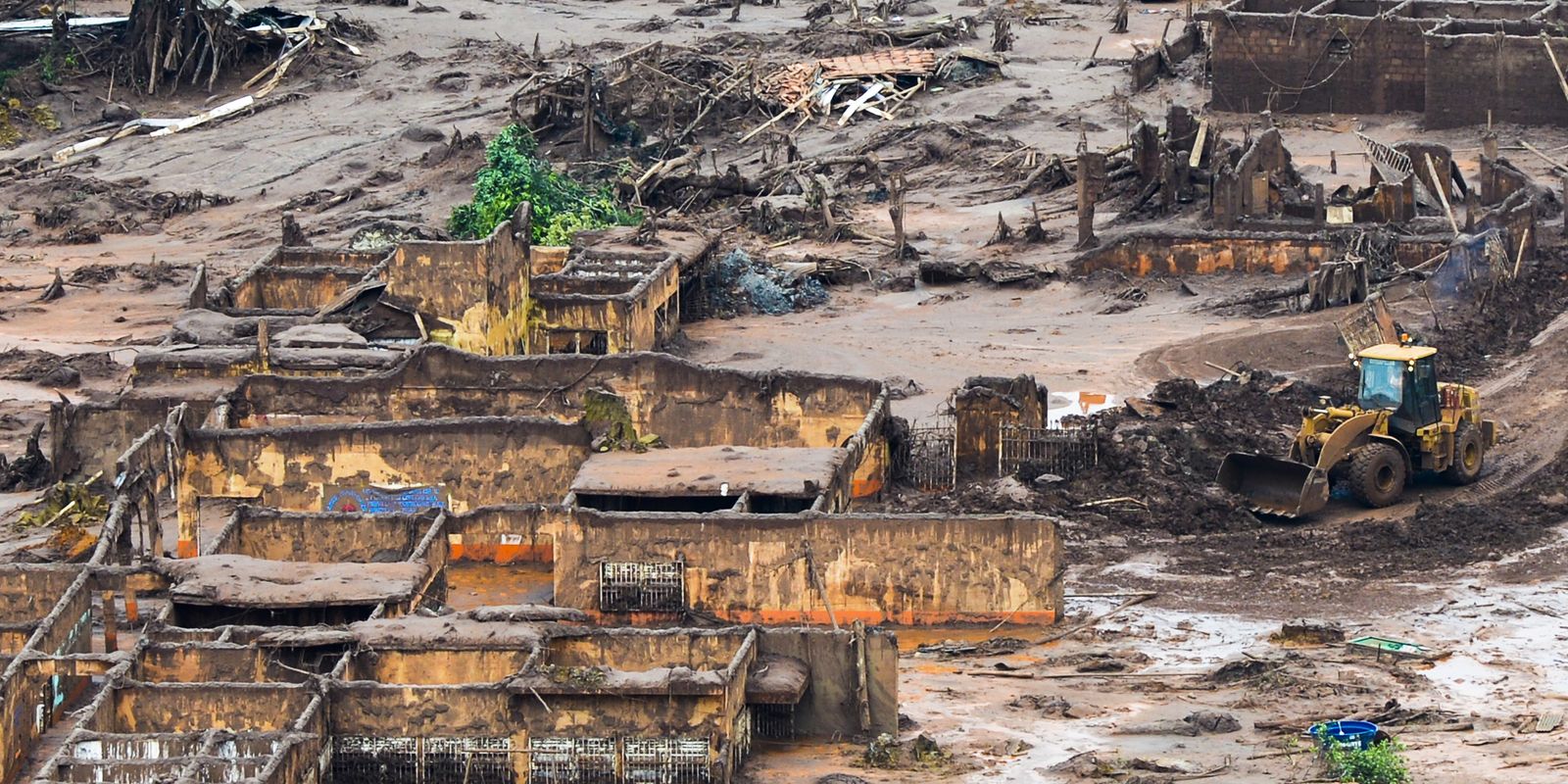
The federal government announced, this Thursday (12), an investment of R$ 131.9 million to recover and expand the public health care network in the 11 municipalities in Espírito Santo affected by the collapse of the Fundão dam, in Mariana (MG), in 2015. 
The Minister of Health, Alexandre Padilha, explained that Resources came from a legal settlement charged to companies responsible for the environmental crime that affected 11 cities in Espírito Santo.
He highlighted that the renegotiation took place between the public authorities and the companies responsible for the collapse of the Fundão dam (Samarco and its shareholders, Vale and BHP).
Padilha highlighted that the action plan is part of the “New Rio Doce Agreement”, and includes structuring actions focused on strengthening infrastructure, surveillance and health assistance, in addition to digital health, teaching, training and management.
As was announced, the plan allocates the largest volume of resources (R$82.55 million) to the expansion of health infrastructure.
Plans include the construction of a new hospital complex in Colatina (ES), the reinforcement of the network with four more Psychosocial Care Centers (the Caps), in addition to two new dental specialty centers and the acquisition of equipment for two specialized rehabilitation centers..
The resources allocated will benefit the populations living in the municipalities of Anchieta, Aracruz, Baixo Guandu, Conceição da Barra, Fundão, Linhares, Marilândia, São Mateus, Serra and Sooretama.
hospital complex
Regarding the Colatina Hospital Complex, the minister said that it will play an essential role in addressing other health problems in the region.
“It will specialize in monitoring the situation of chronic diseases that may occur as a result of water contamination.”
In Brasília, the governor of Espírito Santo, Renato Casagrande, participated in the signing that approved the plan with the release of federal resources.
“We will have a structure in all affected municipalities to offer elective surgeries and other health services, such as monitoring people with atypical development,” he stated.
Among the benefits of the hospital complex for the region’s population are the expansion of the number of surgeries, an intervention plan for hematological diseases, hypertension and diabetes for quilombola populations; and a specific comprehensive care line for frail elderly people.
The federal government added that environmental and toxicological surveillance in the state will be strengthened with the restructuring of the Central Public Health Laboratory (Lacen) for the analysis of heavy metals and environmental matrices and the expansion of environmental, epidemiological and worker health surveillance teams.