The message shared by the “first lady” revived criticism of the cynicism of power in a context of prolonged crisis.
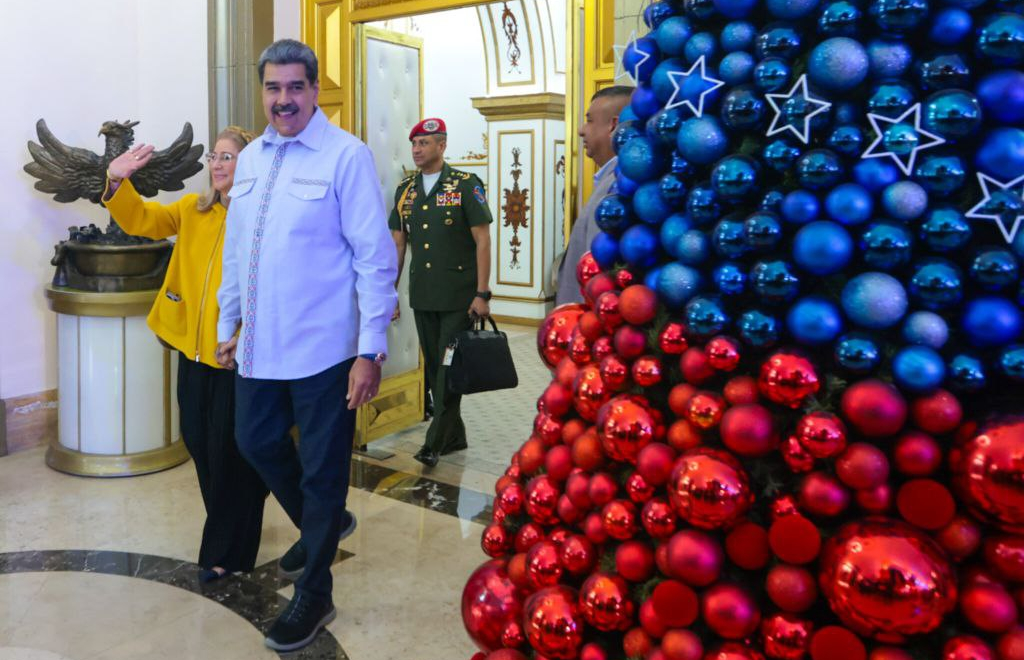
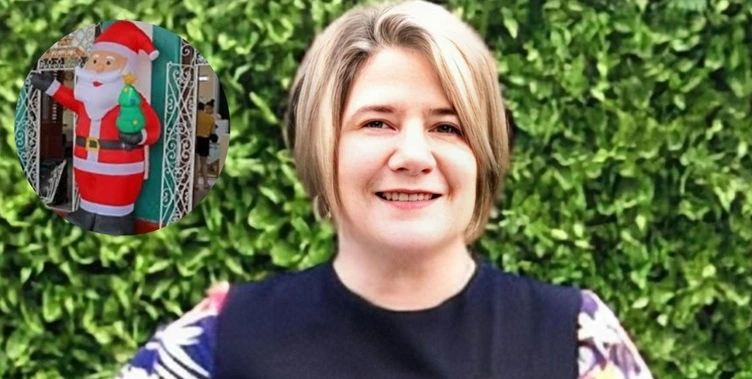
MADRID, Spain.- Lis Cuesta Peraza, wife of Cuban dictator Miguel Díaz-Canel, once again placed herself at the center of controversy this December 25 after publishing a Christmas message that Cubans interpreted as a new example of cynicism and the disconnection of power with the reality of the country.
“Because dates like these should be SOLIDARITY, from everyone and for everyone, but it doesn’t happen like that. Meetings and disagreements with Santa Claus,” Cuesta wrote on social networks, without dedicating a single word to those who spent Christmas in misery and darkness.
The publication was accompanied by a text by former Minister of Culture Abel Prieto, focused on questioning Christmas symbols associated with capitalism and Western culture. While the ruling leadership insists on sterile ideological debates unrelated to the social urgency, the majority of Cubans face a profound material crisis that has emptied not only the markets, but also the family tables.
This December 25, more than 60% of the country remained without electricity service, according to official data, as a consequence of the collapse of the national energy system, the lack of fuel and the chronic deterioration of thermoelectric plants. Thousands of families spent Christmas Eve and Christmas Day without electricity, without being able to cook, refrigerate food or celebrate in minimal conditions of dignity. In many neighborhoods, darkness lasted for hours, confirming that not even the festive dates escape the country’s structural disaster.
Added to the blackouts is the economic drama. With a minimum wage that is around 2,100 Cuban pesos, a christmas dinner basic is unattainable for the majority. Recent estimates indicate that preparing a modest Christmas Eve meal can cost more than 7,000 CUP, a figure that far exceeds the monthly income of a state worker. Essential products such as rice, beans, pork, chicken or eggs are sold at prices that double or triple salaries, condemning thousands of families to spend Christmas without any celebration.
The contrast is hurtful. While Cubans survive amid blackouts, inflation and hunger, the ruling elite – headed by Miguel Díaz-Canel – lives on the margins of these shortcomings, with guaranteed electricity, access to food and privileges sustained by a repressive system.
Talking about “solidarity” from that bubble of power not only shows a profound moral disconnection, but also an absolute lack of political modesty. In an impoverished and dark Cuba, Lis Cuesta’s Christmas message once again confirmed that those who govern do not live—or suffer—the real Cuba.