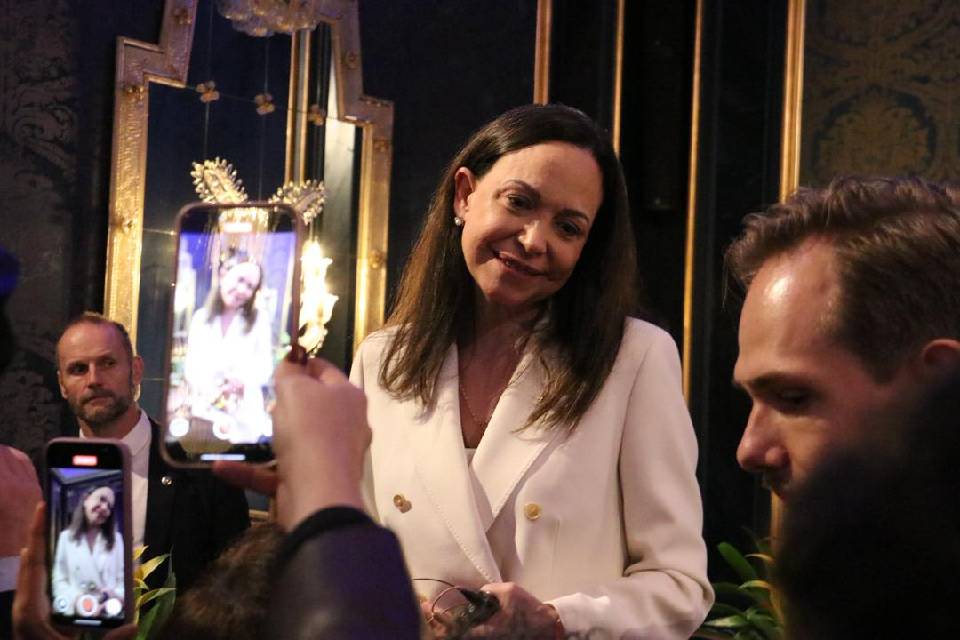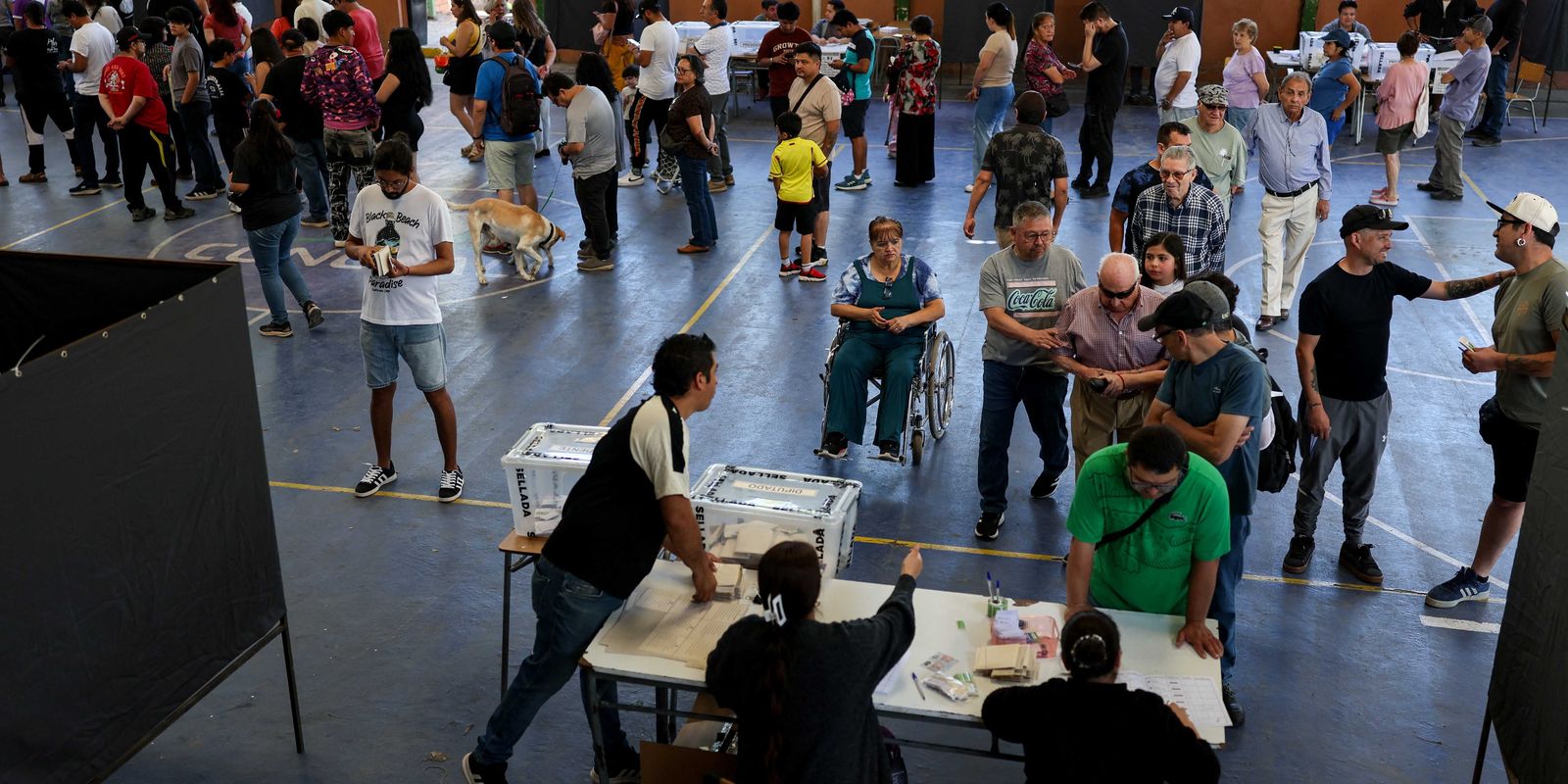
Around 15.8 million Chilean voters go to the polls this Sunday (14) for the second round of the presidential election. Former Labor Minister Jeannette Jara, 51, from the Communist Party and the government coalition, is competing with former deputy José Kast, 59, from the Republican Party and ultra-rightist. The elected person will succeed the current president Gabriel Boric. In Chile, re-election is not permitted.
In the first round, the communist candidate won with 3,476,554 votes (26.85%). Second place, José Kast, had 3,097,685 votes (23.92%). Kast is running for the third time and was defeated by Boric four years ago.
The presidential campaign ended last Friday (12). In the candidates’ platforms, while Kast promises to tighten immigration policies and reinforce law and order, Jeannette Jara bets on social reforms, combating crime and dialogue with undecided voters.
Local surveys released by local and international agencies showed an advantage for Kast.
The new feature in this year’s elections was mandatory voting. In the last presidential election, four years ago, abstention was 53%.
Relations with Brazil
Chile is the world’s largest producer of copper and the second largest producer of lithium and has no physical border with Brazil. In recent years, countries have sought to strengthen trade relations.
In April 2025, President Luiz Inácio Lula da Silva said that Chilean and Brazilian businesspeople must deepen trade agreements to boost the growth of the two countries’ economies.
That month, the Brazil-Chile Business Forum took place in Brasília. On that occasion, Lula argued that it would be necessary for businesspeople to Chileans and Brazilians sought to do good business where everyone wins.
“And, as the largest economy in Latin America, Brazil has to understand that it is forced to be flexible so that things can happen,” said Lula, alongside President Gabriel Boric.
According to the National Confederation of Industry (CNI), Brazil is Chile’s largest trading partner in South America, with a predominance of industrial goods. Chile is Brazil’s seventh largest trading partner and represents 2.1% of Brazilian trade.
*With information from international partner agencies of Brazilian Communication Company (EBC)