It is no wonder, given the social, health and linguistic impact of the epidemic that has affected the entire country this year and is still continuing.
MIAMI, United States. – The term “chikungunya” was chosen as “word of the year 2025 in Cuba” by the official initiative “Good Language”. The term, practically unknown to most Cubans until a few months ago, went from medical fields to everyday conversation, to press headlines and to social networks.
The selection was announced this Thursday by the Buen Idioma team, which highlighted how a technical voice became a marker of the year, as happened in previous editions with nasobuco (2020), vaccine (2021), supertanker (2022), banking (2023) and five-time champion (2024). According to the project, the rapid spread of the virus and the high incidence of cases explain the sudden omnipresence of the term in the speech of Cubans, as well as the need to offer regulatory guidance on its use.
Chikungunya or chikungunya?
From an orthographic point of view, both forms are valid in Spanish, although they do not have the same degree of use. According to Buen Idioma, there are suitable graphic adaptations such as chikungunya and chicunguñawhich adjust the word to the phonetic patterns of Spanish. However, the chikungunya form, with original spelling, is the most widespread in Cuba.
However, the Urgent Spanish Foundation (Fundéu) recommends that it be written “chikungunya” because it is considered “an appropriate adaptation for the word chikungunya, which designates a virus that causes the fever or disease of the same name.”
“The adaptation of the original term ‘chikungunya’ to ‘chikungunya’ is appropriate because the sequence ny It is pronounced in this case with a sound similar to that of the ñ of Spanish”, explains the Fundéu. (This is, in fact, the rule that follows CubaNet).
Where does it come from?
According to the Historical dictionary of the Spanish languagethe word was first documented in 1963, about a decade after the initial outbreak of the disease recorded in southern Tanzania. Its etymology comes from Makonde, a Bantu language spoken in Mozambique and Tanzania, and literally means “to bend”, alluding to the hunched posture that patients adopt due to intense joint pain.
The academic dictionary itself points out a striking paradox: despite its high frequency in the contemporary press, chikungunya “is not recorded in any lexicographic repertoire of Spanish,” which highlights the gap that may exist between the living language and its codification in normative works.
Chikungunya in Cuba: a disease that marked 2025
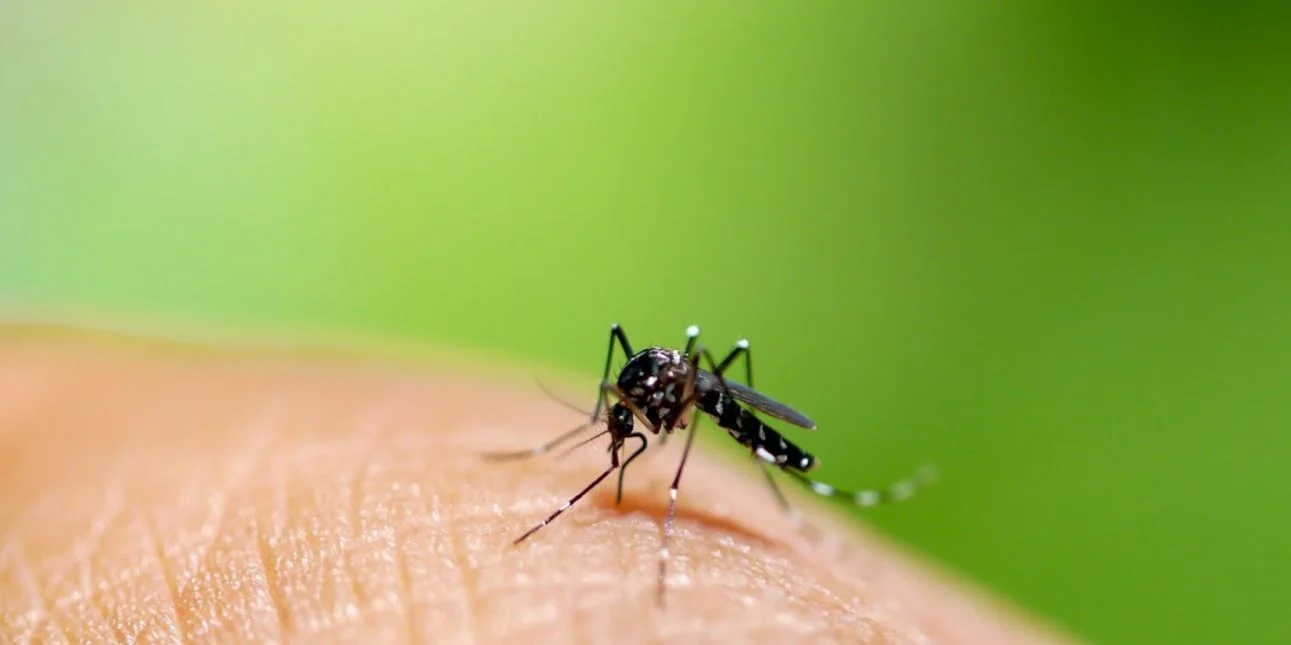
The choice of the word as “word of the year” is directly linked to the epidemiological situation experienced in Cuba during 2025. The disease, transmitted by the mosquito Aedes aegyptispread widely in the country, which led to the term becoming firmly established in public discourse.
According to the most recent MINSAP reporton the Island, in 2025, 37 people have died (almost all minors) due to chikungunya.
As of Thursday of last week, the country accumulated 47,756 cases of the disease.
However, the Cuban health authorities themselves have admitted that the official numbers of infected people represent under-reporting. As recalled on state television, many patients do not go to medical centers.
The Cuban Government recognized for the first time on November 12 the existence of a chikungunya and dengue epidemic in the country, despite the fact that the first cases were diagnosed in July and infections began to skyrocket in September and October.
The epidemic has found especially favorable terrain in Cuba to expand due to the serious economic crisis that the country is going through. This situation limits the capacity for prevention – particularly massive fumigation against mosquitoes –, control – through laboratory tests to confirm the type of disease – and care for the sick, due to the lack of medicines and other health supplies.