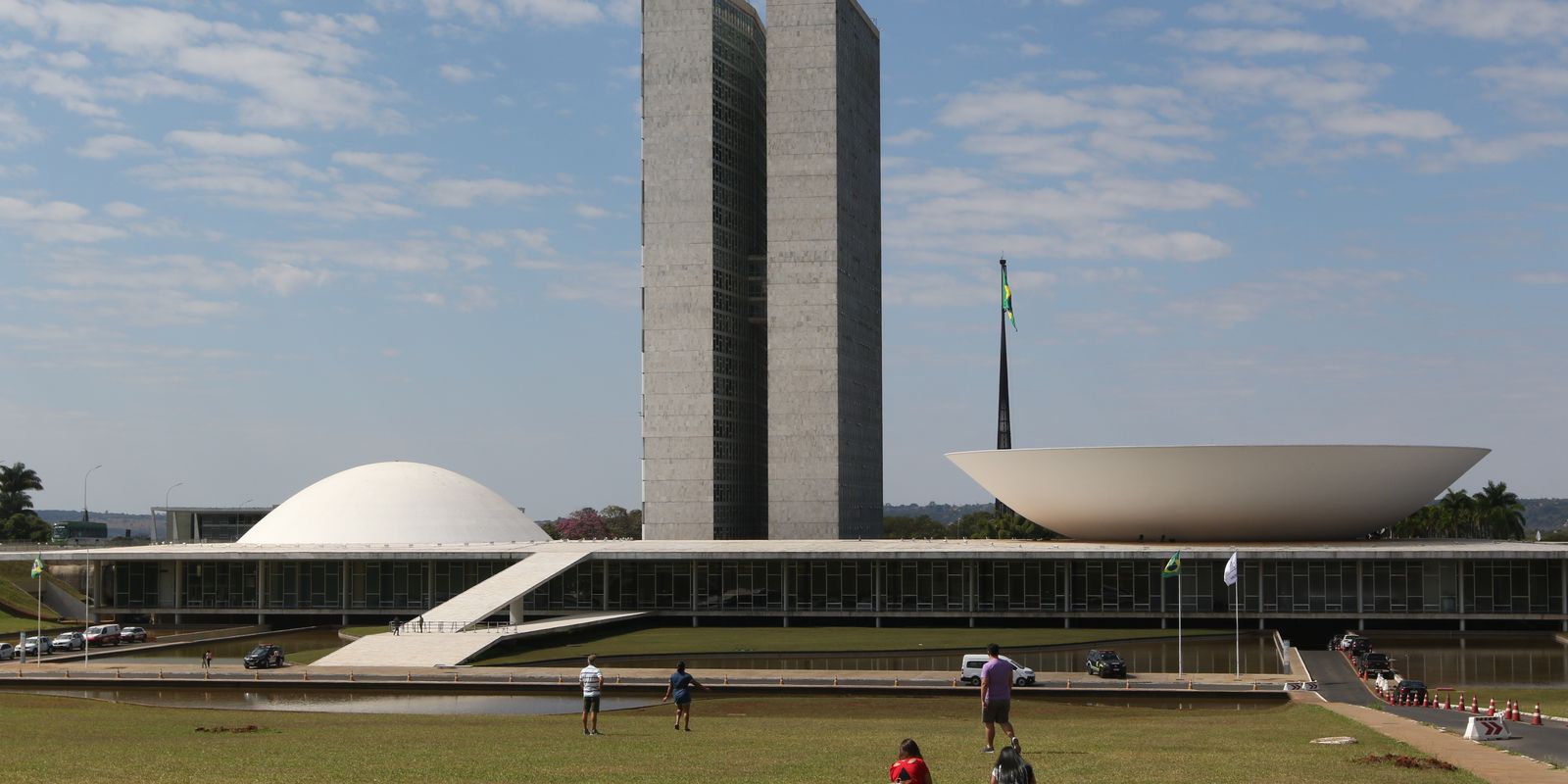
The Plenary of the Chamber of Deputies must vote next Tuesday (16) on the replacement report for the proposed constitutional amendment for Public Security (PEC-18). This Wednesday (10), the special committee in the Chamber brought arguments in favor and against the opinion of the rapporteur of the matter, deputy Mendonça Filho (União-PE). Other suggestions for the final text can be sent until the vote. 
Among the proposals set out in the opinion are the expansion of the competence of the Federal Police, the prediction of a popular referendum on reducing the age of criminal responsibility for minors involved in organized crime and violent crimes and the authorization for precautionary measures that seek to stifle companies involved with criminal factions, such as expropriation of company assets.
Features
The rapporteur is also in favor of prohibiting the blocking or contingency of Union resources allocated to the security area. He maintained the constitutionalization provided for in the original text of the National Public Security Fund (FNSP) and the National Penitentiary Fund (Funpen). Today, these funds are the main federal funding mechanism for public safety.
In Mendonça Filho’s opinion, it is planned to expand sources of financing for public policies to combat organized crime, with resources distributed to states and municipalities.
According to the rapporteur informed this Tuesday (9), the proposal expands the sources of financing for the security area and, as predicted in the Executive’s original text, constitutionalizes the National Public Security Funds (FNSP) and the National Penitentiary Fund (Funpen).
Integration
Representative Jorge Solla (PT-BA) highlighted the need, in the project, to create an inter-federative body, as was foreseen in the original project sent by the government in April. A single public security system, with shared responsibilities, as occurs with the Unified Health System (SUS). “I think this is a gap,” he said.
In response, the rapporteur, Mendonça Filho, said that the essential points of the government’s original proposal were covered. “What I defend is cooperation and integration, everyone taking care of their responsibilities”, he stated. He argued that it is up to the central government to combat international arms and drug trafficking, and factions that operate in border areas and interstate zones.
Opposing the government, deputy Captain Alden (PL-BA) said that he “expected more” from the text of the PEC, since in his opinion there is no minimum wage for police officers. He also criticized the item that provides for the creation of community municipal police, and transition rules for municipal guards to become police officers.
According to Mendonça Filho’s proposal, the Federal Police, in addition to acting against organized crime and militias, will combat environmental crimes. Mendonça Filho also proposed the creation of a municipal community police, focusing on community protection and specific rules, and transition rules for municipal guards to become police officers.
The parliamentarian also defended authorization for sharing data against organized crime and precautionary measures for the expropriation of assets from legal entities that are involved with harmful and dangerous factions.
Majority
Another proposal from the rapporteur is a national referendum on reducing the age of majority, in 2028, for minors involved in organized crime and violent crimes.
Mendonça Filho also presented a proposal with the aim of changing prison management. The text creates the Penal Policy System to define an internal disciplinary regime, apply sanctions and regulate visits. The opinion also increases the competence of the Criminal Police to act as administrative police, to control prisoners and manage the prison system.