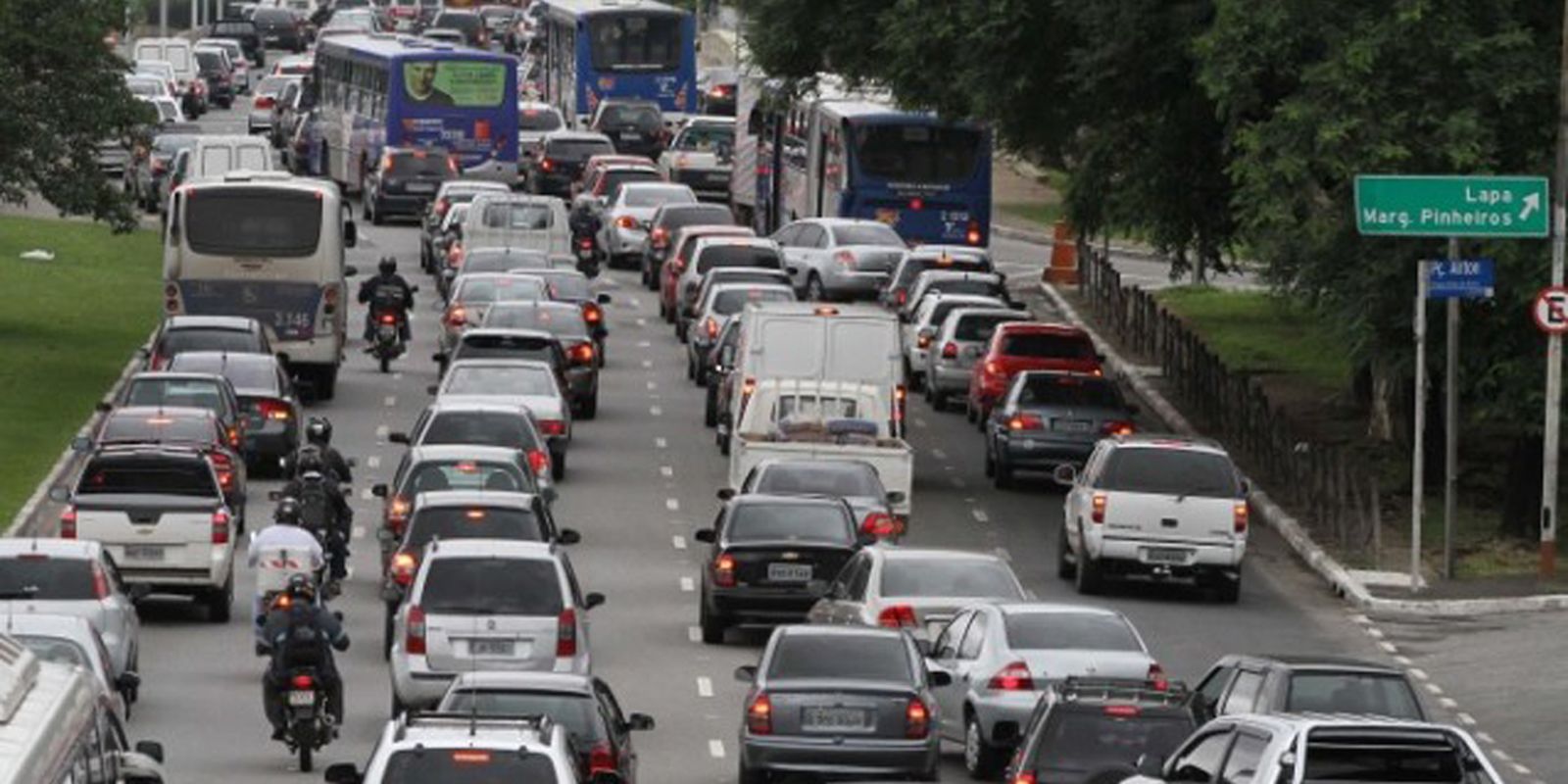
The Chamber of Deputies approved a proposed amendment to the Constitution (PEC) that exempts land vehicles manufactured 20 years or more from the payment of Motor Vehicle Ownership Tax (IPVA). The text, from the Senate, was approved in two rounds this Tuesday (2) and is headed for promulgation.
In the first round, there were 412 votes in favor and 4 against. In the second, 397 votes in favor and 3 against.
THE PEC 72/23 provides exemption for passenger cars, trucks and mixed vehicles over 20 years old. In practice, the change prohibits the collection of tax in these cases, granting the so-called tax immunity. The measure does not apply to minibuses, buses, trailers and semi-trailers.
According to the rapporteur on the special committee that analyzed the proposal, deputy Euclydes Pettersen (Republicanos-MG), the PEC harmonizes national legislation with the practice of states that no longer charge IPVA on old vehicles.
“The proposal standardizes the IPVA exemption for old cars, which is already adopted by several states, avoiding differences in tax collection,” said Pettersen.
The measure should mainly impact states that do not yet offer the benefit, such as Minas Gerais, Pernambuco, Tocantins, Alagoas and Santa Catarina.
Tax reform
IPVA tax immunities did not exist in the Federal Constitution before the approval of the last tax reform (Constitutional Amendment 132, of 2023).
With the reform, IPVA collection was expanded to cover air and water vehicles, but some of them gained tax immunity.
Currently, the Federal Constitution exempts from IPVA:
agricultural aircraft and those of operators certified for air services to third parties;
vessels from companies authorized for water transport;
people or companies that practice industrial, artisanal, scientific or subsistence fishing;
mobile platforms in territorial waters and exclusive economic zones for economic purposes (oil and gas); and
tractors and agricultural machinery.
Debate in plenary
During the plenary debate, the proposal’s rapporteur, deputy Euclydes Pettersen, defended federalizing the IPVA exemption.
“We are removing this tax for people who have already paid for another car through the tax,” he said, citing the calculation of IPVA payments over two decades.
Representative Hildo Rocha (MDB-MA) recalled that many states already guarantee exemption. “Maranhão itself benefits several cars used by small rural producers, such as the D20 and C10 pickup trucks”, he stated.
For deputy Domingos Sávio (PL-MG), the project benefits humbler citizens who are unable to buy new cars. “If you don’t pay the IPVA, there will be money left over to keep the car in good working order,” he said.
*With information from Agência Câmara de Notícias