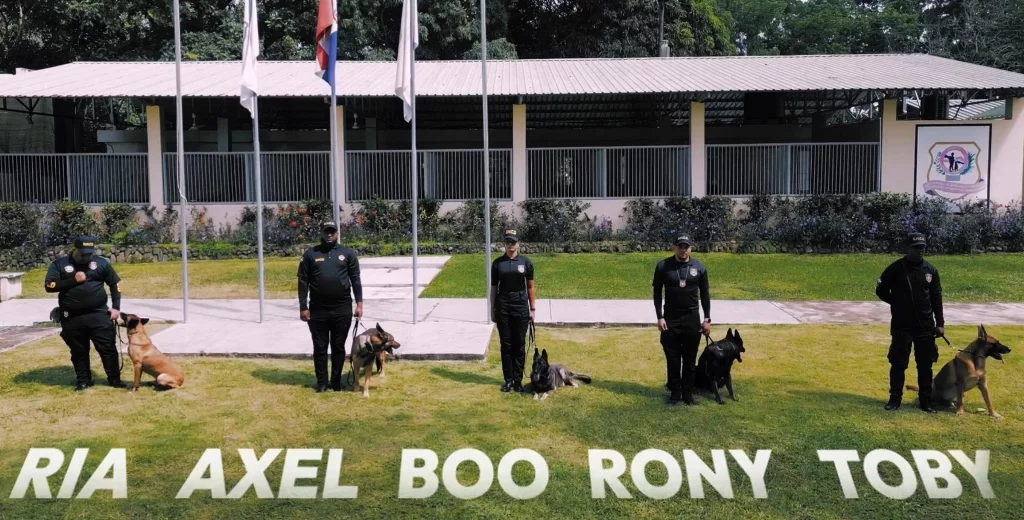
Since its creation in 1988, the DNCD has integrated more than 400 canine copies, who, along with its guides, patrol docks, airports, tourist ports.
Santo Domingo. With a privileged smell and rigorous training, the dogs of the Canine unit of the National Drug Control Directorate (DNCD) They have become key pieces in the fight against drug trafficking in the Dominican Republic.
Since its creation in 1988, the DNCD has integrated more than 400 canine copies, who, together with its guides, patrol docks, airports, tourist ports and correspondence centers such as the Dominican postal institute. Its mission: detect drugs and illicit substances with the precision that only man’s best friend can offer.
The success of these canine binomials is not accidental. DNCD trains its dogs under a cognitive methodology, focused on the mind and behavior of the animal. Through operating conditioning techniques, coaches mold and reinforce desired behaviors while correcting those that could affect their field performance.
We invite you to read: The DNCD withdraws with honors 5 dogs from the K-9 unit
According to the agency, “behavior molders” consist of inducing specific responses using strategically dosed reinforcements and punishments; Positive reinforcement implies rewarding something pleasant, while negative reinforcement eliminates an unpleasant stimulus.
In addition, the “behavior reinforcers” apply according to time intervals or the amount of responses that the Can da. Either with fixed or variable intervals, or with a fixed or variable reason, the objective is clear: “All reinforced behavior tends to repeat itself”.
Patria service
The useful life of an anti -drug dog ranges between 7 and 8 years, depending on its physical conditions and olfactory abilities. Throughout this time, each specimen becomes a Silent drug trafficking soldiertouring air terminals, cargo wineries and suspicious vessels.
Only in the last five years, these dogs have helped detect thousands of kilograms of illegal drugspreventing hazardous substances from reaching the streets or crossing borders, especially to the United States, Europe and the Caribbean.
But like any public servant, there comes a time when they must retire. This step occurs when the copy begins to lose its olfactory acuity or suffers from some physical condition or disease that limits its performance. Some even show loss of detection habit, a sign that they have already fulfilled their operational cycle.
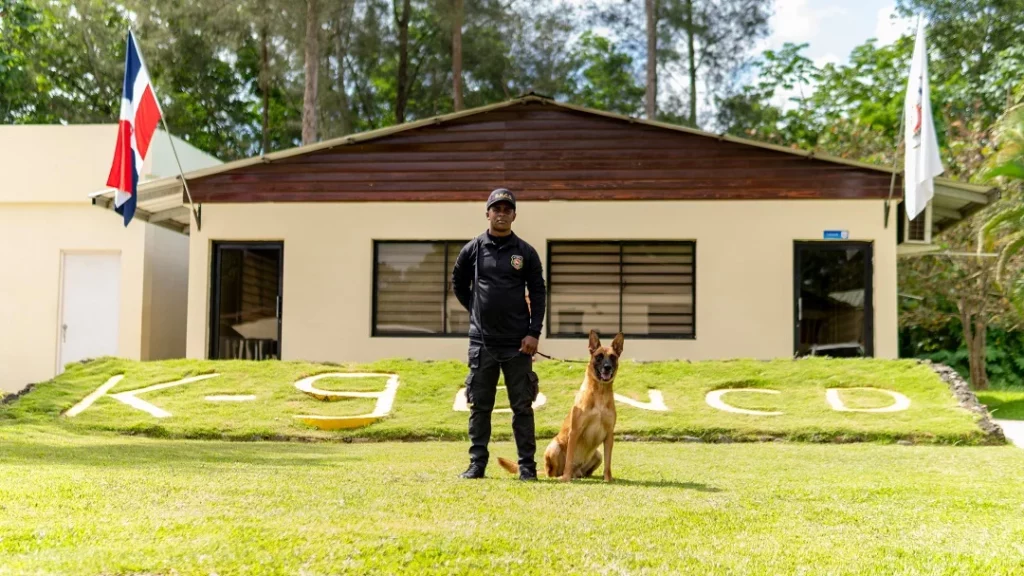
When removed, dogs are transferred to Regional Canine Training and Training Centerwhere they receive special care. In many cases, their old guides choose to adopt them, thus maintaining the strong link built for years of joint work. If not, they can be adopted by other people who meet the requirements established by the DNCD, always guaranteeing the welfare of the animal.
The impact of these units is unquestionable. In more than three decades of work, they have witnessed and protagonists of innumerable successful operations. The last major acquisition of 47 copies, added to another 24 donated by the private sector, marks a milestone in the history of the institution.
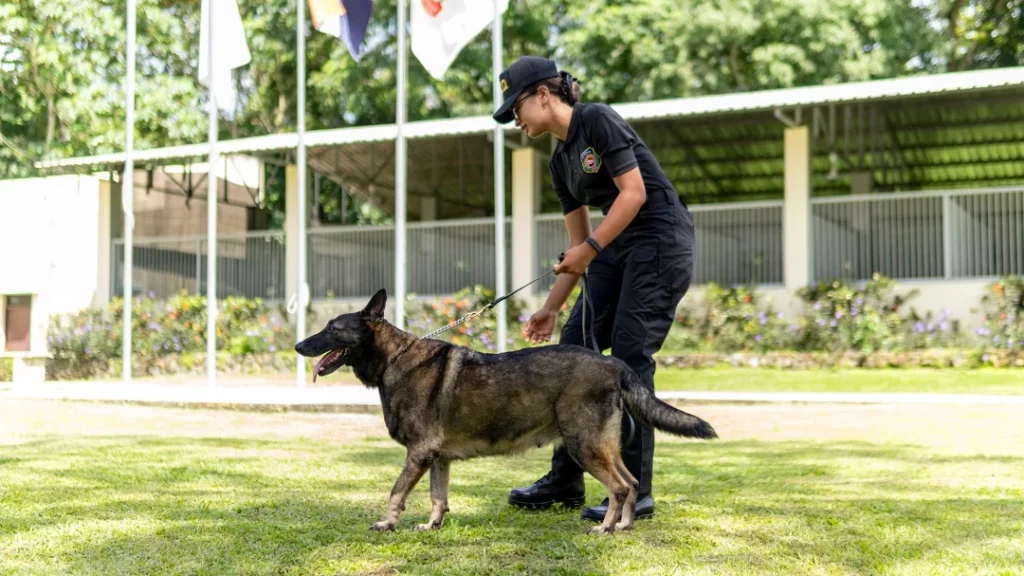
Each bark alert, each tail upright in front of a suspicious suitcase, represents not only a danger signal, but also the result of years of training and commitment. They are true four -legged heroeswhose life in service deserves to be known, valued and protected.
This year, the institution received 55 dogs as part of its actions aimed at strengthening its capacity.
Determinant
– Anti -drug fight
The National Drug Control Directorate pointed out that since its creation the Canine Units (K9), have been decisive in the success of interdiction operations against illicit traffic of narcotic substances.