Havana/Eight people from the province of Las Tunas could be sentenced to sentences of up to nine years in prison for the crime of “propaganda against the constitutional order.” According to a report published this Monday by the legal advice center Cubalex, the defendants have remained in provisional prison since March and April 2024 awaiting trial for having expressed political opinions on social networks.
In its report, the NGO indicated that it had access to the provisional conclusions presented by the Prosecutor’s Office before the Chamber of Crimes against State Security of the Provincial Court of Santiago de Cuba, in a document dated July 21, 2025 and signed by prosecutor Iany Fernández Jomarrón.
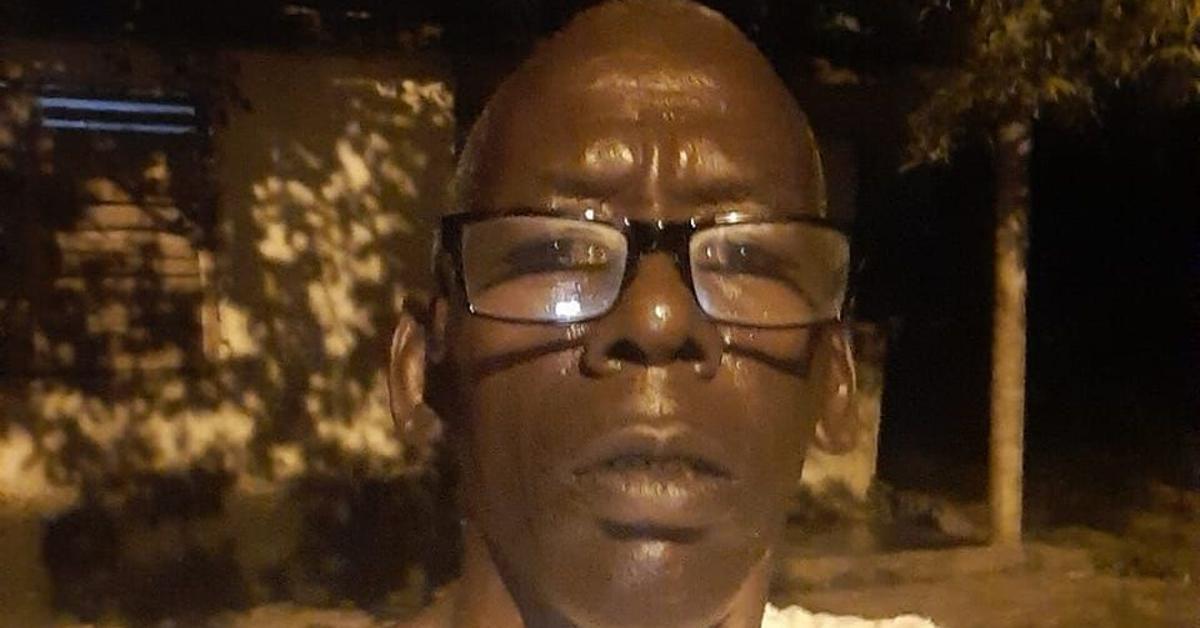
The indictment mentions Javier Reyes Peña, for whom the Prosecutor’s Office requests nine years in prison, as well as Adisbel Mendoza Barroso (eight), Guillermo Carralero López (eight), Carlos Manuel Santiesteban Saavedra (seven), Carlos Alberto McDonald Ennis (seven) – who is experiencing a serious health situation that has deteriorated in prison, without receiving adequate medical care –, Enrique González Infante (seven), Pedro Carlos Camacho Ochoa (seven) and Maikel Hill Ramírez (six).
The accusations are based on “interaction on social networks, especially Facebook”
The authorities link them to the Cuba First movement, a group considered by the regime as “terrorist” and “criminal”, based in the United States, “that organizes, finances, provides means and carries out actions against the security of the Cuban State.”
According to the Prosecutor’s Office, the accusations are based on “interaction on social networks, especially Facebook, the recording and publication of videos in which the accused expressed political positions, the dissemination of critical content and the exchange with other users inside and outside the country, and the possession of printed matter and pamphlets, including materials related to the Universal Declaration of Human Rights.”
According to the Prosecutor’s Office, these behaviors were presented as actions aimed at “stimulating adverse opinions” and generating dissent about the Cuban political system, without any line of the accusations describing violent acts or calls for violence. Likewise, the document includes evaluations of the “moral and social conduct” of the accused, such as maintaining conduct “in disagreement with the revolutionary process,” elements that – Cubalex noted – reinforce the “ideological, stigmatizing and discriminatory nature of the accusation.”
Psychiatric expert reports, criminal records and social assessments have been used in the case.
The legal advice center warned that psychiatric expert reports, criminal records and social assessments have been used in the case “as elements of accusatory reinforcement, which can aggravate the situation of people in vulnerable contexts.”
Regarding the case of Carlos Alberto McDonald Ennis, due to his state of health (he suffers from high blood pressure, diabetes, pancreatitis, heart disease and a malignant tumor in the nasal cavity), the NGO reported that his family has exhausted all available legal remedies, including several habeas corpus and requests to modify the precautionary measure, without obtaining an effective response. This, he added, is added to “the absence of basic procedural guarantees”, such as the fact that the facts of which he is accused have not been clearly defined, the evidence against him has not been notified and the legal term of the criminal process has been unjustifiably exceeded, without a formal request or duly substantiated extensions.
This case exemplifies the use of the penal system in Cuba “as a tool of political repression”
Cubalex denounced that this case exemplifies the use of the penal system in Cuba “as a tool of political repression” and demanded the release of “all people criminalized for peacefully exercising their rights in Cuba.”
In November alone, according to the latest report from the same organization, 165 repressive events were recorded in all the provinces of the country, in which at least 138 people were victims of some type of human rights violation during that month. In many cases, these acts were recorded after various spontaneous protests motivated by blackouts, water shortages, health collapse and state abandonment, after the passage of the Hurricane Melissa and the current epidemic of chikungunya and dengue that the country is experiencing.