Authoritiesbusinessmen and representatives of the tourism sector agree that the future of Altagracia must be oriented towards a tourism more responsible, inclusive and sustainable, which allows balancing the luxury hotel growth with the development of local communities.
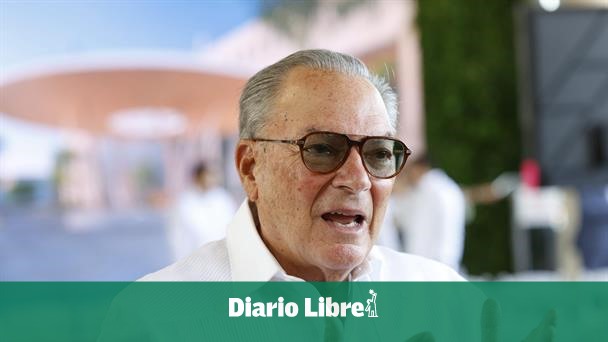
The businessman Frank Rainierifounder of the Puntacana Group, highlighted that the real challenge is not only to increase the arrival of visitors, but also to increase the average expenditure per tourist, thus generating a greater economic impact for the entire population.
“In the Dominican Republic we should think not about bringing more cheap touristsbut in attracting visitors who spend more. For that we need more and better craftsmen, a local gastronomy with high standards of hygiene, clean streets, order in traffic and a citizenry committed to their environment,” he expressed. Rainieri.
He added that, to achieve this balance, it is necessary to integrate the traditions, products and talents from communities to the tourism model.
“Altagracia It has valuable resources such as its Higüeyan horses, or the cheese and dulce de leche factory. We must connect these sectors with the visitor, offer them security and authentic experiences”, he noted.
Tourism expanding community
The regional director of Tourism, Felix Vizcainoexplained that the Ministry works on the diversification of the tourism product, promoting modalities such as community tourism and ecotourism.
“We are encouraging visitors to not only get to know traditional destinations, but also emerging ones. In the province, the area of Anamuya is a clear example: there the locals offer gastronomycrafts and ecological routes that attract both national and international tourists,” said Vizcaíno.
The official also highlighted that the promotion of this type of tourism relies on new digital toolsas influencers and content creators, who contribute to positioning communities as an essential part of the tourist experience.
Entrepreneurs bet on the local integration
On your side, Ernesto Velozpresident of the Association of Eastern Hotels and Tourist Projects (Asoleste), stressed the importance of communities organizing themselves to be able to insert themselves into the economic circuit of the tourism.
“It is not worth having a large hotel development if there is no economic spill in the surrounding communities. The calls shadow houses are an example of how local groups They can participate by receiving support from the hotels,” he explained.
Veloz highlighted that community associations must be formalized as MSMEs either cooperatives to be able to negotiate with the hotel sector and access financing.
Industry leaders agree that the future of dominican tourism not only depends on large investments, but on a conscious citizenshiphospitable and organized.
Rainieri concluded with a call to action: “He tourism could be one of the great climbing stairs social and economic for all Dominicans, as long as we learn to be the best hosts and defenders of our own land.”