Today: December 22, 2025
December 22, 2025
1 min read

Britto Garcia: US actions in the Caribbean threaten global maritime security

Britto Garcia: Acciones de EE. UU. en el Caribe amenazan la seguridad marítima global

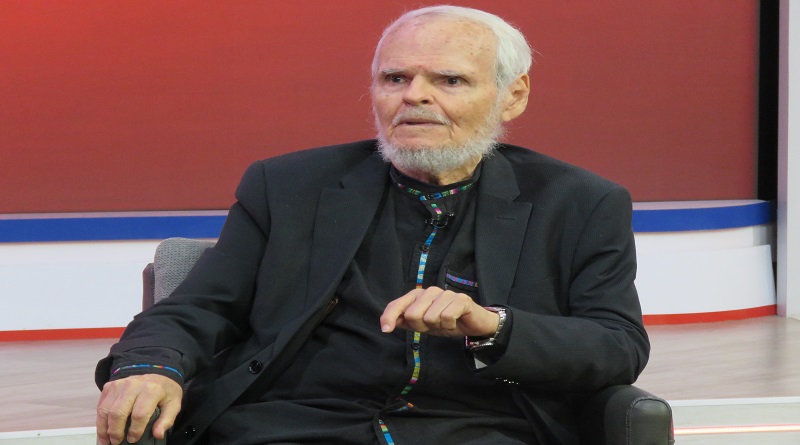
In an analysis of the program Aló Presidente number 131, broadcast by Venezolana de Televisión (VTV) on the evolution of imperial aggressions against Venezuela, the writer Luis Britto García denounced that the actions of blockade and confiscation of ships by the United States (USA) constitute crimes of modern piracy that threaten global maritime security.

He contrasted the 1902 naval blockade with the current siege, highlighting that the nation’s resistance not only defends its sovereignty and vast energy resources, but also defines the emergence of a new multipolar world order in the face of a declining hegemony that attempts to impose its will by force.

Britto García linked the present with the long tradition of looting that the country has suffered, and recalled that between the 16th and 17th centuries Venezuela faced at least 200 pirate assaults.

For the writer, what happens today on the high seas with the interception of supplies is not a legal action, but a crime against humanity. “When warships behave like pirates, that is a crime of piracy,” said Britto García, ensuring that the United Nations Convention on the Law of the Sea rejects these actions of assaulting and stealing vessels in the free sea, they are unacceptable for any civilized society.

Regarding the role of internal actors in these conflict scenarios and comparing the historical blockade with the oil sabotage of 2002, he described these actions as acts of betrayal carried out by “stateless forces.”

Britto García gave as an example the case of the Pilín León ship, which he described as “an act of piracy perpetrated by the captain himself,” who seized a ship owned by the State to use it against the interests of the Venezuelan people, which revealed a direct connection between imperial interests and local oligarchies.

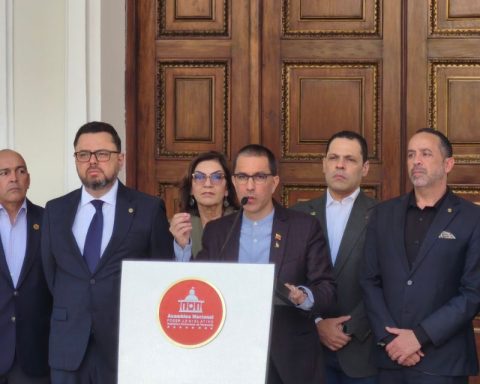
For his part, the deputy to the National Assembly (AN), Ángel Tortolero Leal, emphasized that, unlike 1902, Venezuela today has a solid country project and a historical consciousness revitalized by the leadership of Commander Hugo Chávez.

He highlighted that the siege of the Caribbean not only affects Venezuela, but also puts any nation that transports goods through the region, including the Panama Canal, at mortal risk.

The analyst highlighted that the Venezuelan resistance has made other governments in the region understand the danger, because “when they saw their neighbor’s beards burning, they soaked their own,” which strengthened a line of respect even among previously distant leaders.

VTV/LAV/DB/

Source link

Latest Posts

Poverty and growth?

Three ballasts

December 22, 2025
In Mexico there are three elements that act as anchors
They celebrated "Buenos Aires Coffee Day" with a tour of historic bars - Télam
Cum at clita latine. Tation nominavi quo id. An est possit adipiscing, error tation qualisque vel te.

Categories

Memphis Depay gives the Brazilian Cup to Corinthians
Previous Story

Memphis Depay gives the Brazilian Cup to Corinthians

Britto Garcia: Acciones de EE. UU. en el Caribe amenazan la seguridad marítima global
Next Story

Britto Garcia: US actions in the Caribbean threaten global maritime security

Latest from Blog

Poverty and growth?

Three ballasts

In Mexico there are three elements that act as anchors that prevent higher rates of economic growth from being achieved. The worst thing is that the public policy implemented in recent years,
December 22, 2025
1 min read

Britto Garcia: US actions in the Caribbean threaten global maritime security

Britto Garcia: Acciones de EE. UU. en el Caribe amenazan la seguridad marítima global

In an analysis of the program Aló Presidente number 131, broadcast by Venezolana de Televisión (VTV) on the evolution of imperial aggressions against Venezuela, the writer Luis Britto García denounced that the actions of blockade and confiscation of ships by the United States (USA) constitute crimes of modern piracy that threaten global maritime security.

He contrasted the 1902 naval blockade with the current siege, highlighting that the nation’s resistance not only defends its sovereignty and vast energy resources, but also defines the emergence of a new multipolar world order in the face of a declining hegemony that attempts to impose its will by force.

Britto García linked the present with the long tradition of looting that the country has suffered, and recalled that between the 16th and 17th centuries Venezuela faced at least 200 pirate assaults.

For the writer, what happens today on the high seas with the interception of supplies is not a legal action, but a crime against humanity. “When warships behave like pirates, that is a crime of piracy,” said Britto García, ensuring that the United Nations Convention on the Law of the Sea rejects these actions of assaulting and stealing vessels in the free sea, they are unacceptable for any civilized society.

Regarding the role of internal actors in these conflict scenarios and comparing the historical blockade with the oil sabotage of 2002, he described these actions as acts of betrayal carried out by “stateless forces.”

Britto García gave as an example the case of the Pilín León ship, which he described as “an act of piracy perpetrated by the captain himself,” who seized a ship owned by the State to use it against the interests of the Venezuelan people, which revealed a direct connection between imperial interests and local oligarchies.

For his part, the deputy to the National Assembly (AN), Ángel Tortolero Leal, emphasized that, unlike 1902, Venezuela today has a solid country project and a historical consciousness revitalized by the leadership of Commander Hugo Chávez.

He highlighted that the siege of the Caribbean not only affects Venezuela, but also puts any nation that transports goods through the region, including the Panama Canal, at mortal risk.

The analyst highlighted that the Venezuelan resistance has made other governments in the region understand the danger, because “when they saw their neighbor’s beards burning, they soaked their own,” which strengthened a line of respect even among previously distant leaders.

VTV/LAV/DB/
Source link

Latest Posts

Poverty and growth?

Three ballasts

December 22, 2025
In Mexico there are three elements that act as anchors
They celebrated "Buenos Aires Coffee Day" with a tour of historic bars - Télam
Cum at clita latine. Tation nominavi quo id. An est possit adipiscing, error tation qualisque vel te.

Categories

Britto Garcia: Acciones de EE. UU. en el Caribe amenazan la seguridad marítima global
Previous Story

Britto Garcia: US actions in the Caribbean threaten global maritime security

Mira los resultados de La Tinka de este domingo 15 de diciembre (VIDEO)
Next Story

Look at the results of La Tinka for this Sunday, December 21

Latest from Blog

Poverty and growth?

Three ballasts

In Mexico there are three elements that act as anchors that prevent higher rates of economic growth from being achieved. The worst thing is that the public policy implemented in recent years,
Go toTop