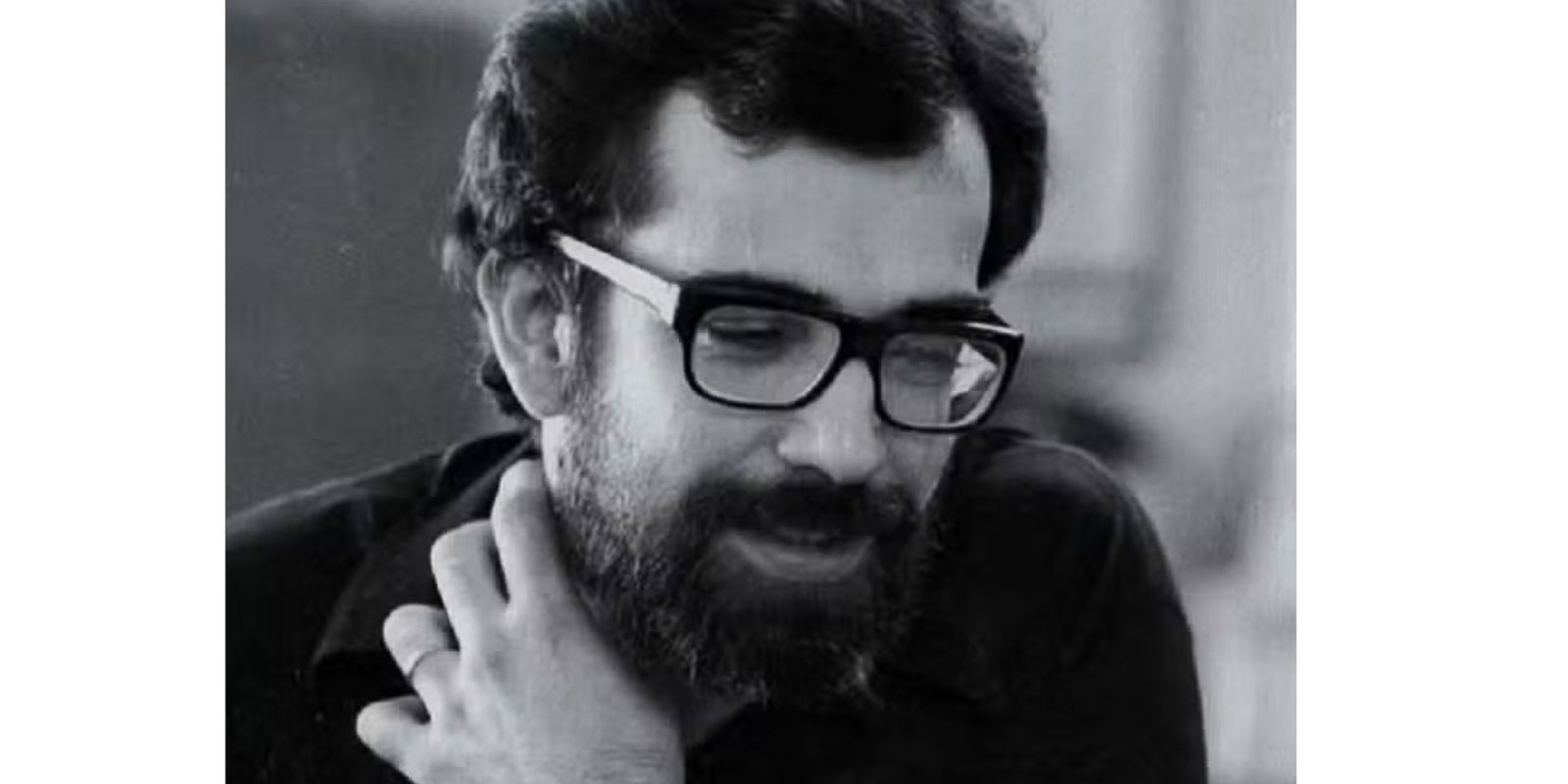
The National Bank for Economic and Social Development (BNDES) promoted, on Wednesday (1st), cultural act coordinated by Gilberto Gil with the presence of Caetano Veloso, Joyce Moreno and Marcos Valle, in honor of pianist Francisco Tenório Jr., dead and missing on March 18, 1976, during the Argentine military dictatorship, in the context of Operation Condor.
The body of Brazilian pianist Francisco Tenório was identified by digital impressive examination. Tenorinho was on tour of Uruguay and Argentina along with Vinícius de Moraes, Toquinho, Mutinho and olive when, having touched a large rex, he left his Normandie hotel room to buy cigarettes and medicines and never returned. He was one of the most striking names of Brazilian instrumental music, master in the merger of Bossa Nova and Jazz.
The musician was kidnapped, tortured and shot by members of Operation Condor. Tenório Jr. was buried two days later, as an indigent, in the Benavidity cemetery, in Buenos Aires.
The Argentine team of Forensic Anthropology (EAAF) confirmed, through fingerprint exams, the identity of pianist Francisco Tenório Cerqueira Júnior in September this year.
Recognized as a political missing by the Brazilian state, Tenorinho, as he was called, also had the absence assumed by the Argentine government in 1997. His name was registered in the Parque da Memory, in Buenos Aires, in honor of the victims of the dictatorship.
According to EAAF, he was buried without documents in the Benavidity Cemetery. The body, however, could not be recovered.
Confirmation ends a five -decades mystery, a story that marked not only Brazilian music, but also the struggle for memory, truth and justice in Latin America.
Expert Lucas Guanini, from Argentina forensic anthropology, responsible for identifying the musician’s remains, said the service was created in 1984 by the need for families to locate the missing in Operation Condor.
“Our purpose is to give families answers about what happened to their loved ones.”
According to Lucas, this pact of trust with families was consolidating.
“We are careful not to create expectations. When we identify, the woman, children and grandchildren should be communicated soon to receive the remains of their family members.”
The program, coordinated by singer and composer Gilberto Gil, featured performances by big names in Brazilian popular music, such as Caetano Veloso, Joyce Moreno and MArcos Valle.
The president of BNDES, Aloizio Mercadante, presented the participants. The event was also attended by family members of Tenório Jr. and Eunice and Rubens Paiva, wife of federal deputy Rubens Paiva, kidnapped and killed during the military regime. Also participating in the event were leaders of the Mothers of Praça de Maio, Argentina, and the March of Silence, Uruguay, two historical movements of defense of memory and justice for victims of military dictatorships in the Southern Cone.
“We had to fight for all the victims of the dictatorship because of a cruel government. A government that has become. We had to be strong to continue with the fight. The only struggle that is lost is the one that abandones it,” said Helena Molinaro, representative of the mothers of May.
Argentina
The Mother’s Mothers of May Square was created on April 30, 1977 in Argentina, when 14 women first gathered at the scene in Buenos Aires to peacefully protest against their children’s forced disappearances during the military dictatorship. Mothers such as Azucena Villaflor, from Vencenti and ten more women began to meet to demand government responses on their children’s whereabouts. They walked in circles in the square in front of Casa Rosada, which gave rise to the traditional round that repeats to this day. The use of white wipes on the head, which symbolized their children’s diapers, became a striking symbol of the movement.
The group has consolidated itself as an international force in the struggle for human rights, memory, truth and justice. The organization played a key role in exposing the atrocities of Argentine dictatorship and pressures for the responsibility of the culprits. Mothers in the May Square continue their fight, even over the years, ensuring that history and human rights violations are not forgotten.
Carioca de Laranjeiras, Tenório Jr. was a reference in Samba-Jazz and Bossa New, with remarkable collaborations alongside Vinícius de Moraes, Toquinho, Gal Costa and Milton Nascimento. His body was officially identified on September 13 this year, almost five decades after the disappearance in Buenos Aires.