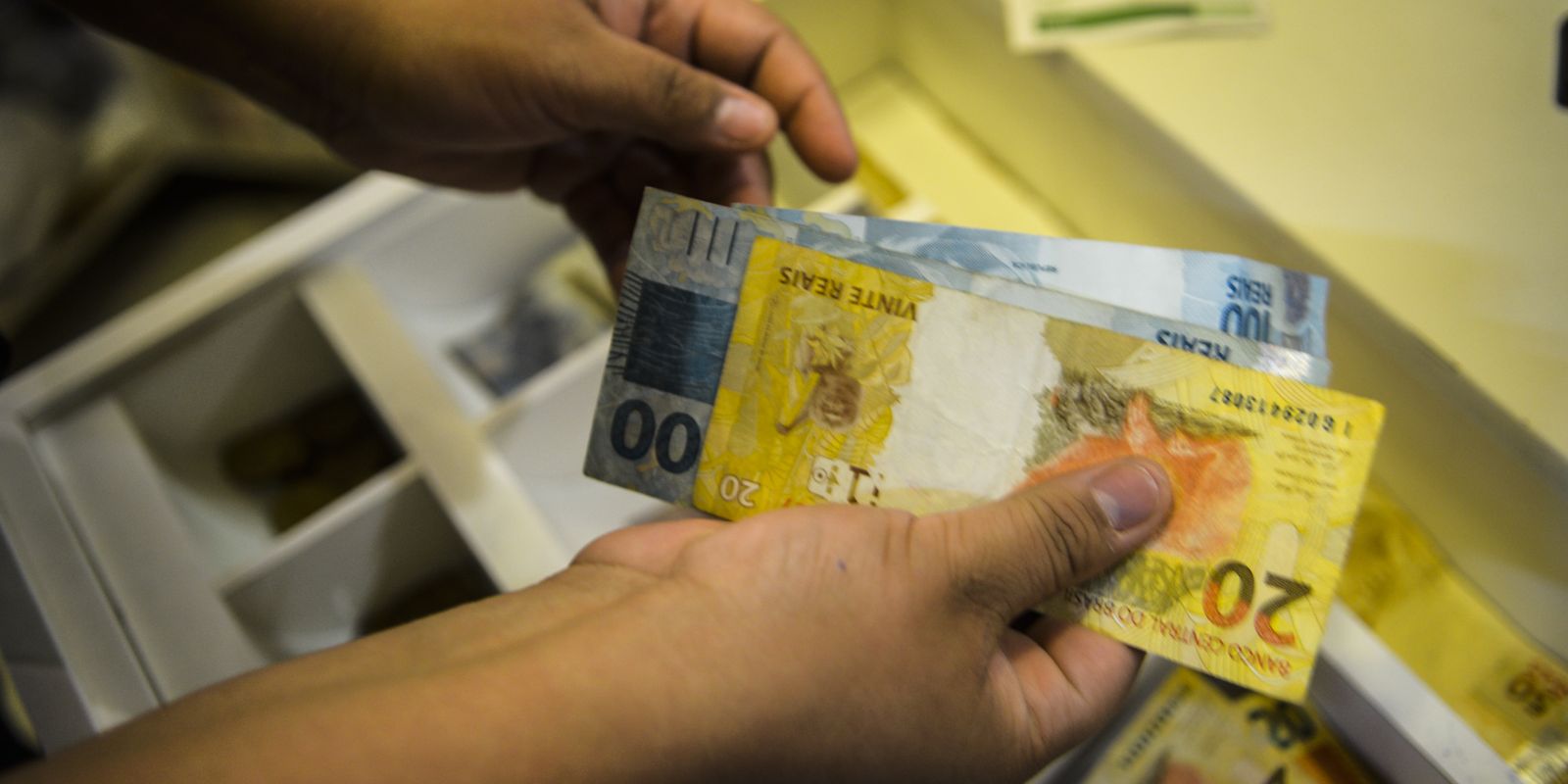
In 2024, Brazil recorded the best results in terms of income, inequality and poverty in the entire historical series that began in 1995, according to a technical note from the Institute for Applied Economic Research (Ipea). The study was released this Tuesday (25) based on data collected by the Brazilian Institute of Geography and Statistics (IBGE).
Over 30 years, per capita household income grew by around 70%, the Gini coefficient (an index that measures income concentration) fell by almost 18% and the extreme poverty rate fell from 25% to less than 5%.
Progress was irregular, concentrated between 2003 and 2014, and resumed strongly between 2021 and 2024. After a prolonged cycle of crises between 2014 and 2021 — marked by recession, slow recovery and the strong impact of the pandemic — per capita income reached its lowest level in a decade. The trajectory changed as of 2021: in three consecutive years, average income grew by more than 25% in real terms, the biggest advance since the Real Plan, accompanied by a significant drop in inequality.
“The results show that it is possible to intensely reduce poverty and inequality, but that these movements can also be interrupted or even reversed by several factors. And that it is important to combine different means to achieve these fundamental objectives of the country”, highlighted Marcos Dantas Hecksher, author of the study alongside Pedro Herculano Souza.
The researchers attribute the recent improvement to the warming of the job market and the expansion of income transfers, both responsible for almost half of the reduction in inequality and the fall in extreme poverty between 2021 and 2024. Programs such as Bolsa Família, Continuous Payment Benefit, Auxílio Brasil and Auxílio Emergencial proved to be more effective after 2020.
However, the effect of transfers lost strength in 2023 and 2024 with the end of the expansion cycle, while the labor market maintained a strong influence on social indicators.
“Inequalities need to be combated through all public policies. Not only by better targeting social spending to the poorest, but also by a fairer distribution of taxes. It is important to promote the labor productivity of the poorest and, at the same time, reduce the share of public resources that needs to be allocated to paying interest on public debt to the richest”, says Hecksher.
In 2024, the country recorded the lowest poverty levels in the series. Even so, 4.8% of the population lived below the extreme poverty line (US$3 per day) and 26.8% below the poverty line (US$8.30 per day). More than 60% of the reduction in extreme poverty between 2021 and 2024 resulted from distributional improvements, according to the decomposition presented by the study.
The technical note points out that the progress observed in the post-pandemic period tends to lose pace with the end of the expansion of assistance policies, making the job market even more decisive in the coming years. The authors warn that household surveys tend to underestimate very high incomes and part of social transfers, which requires caution when reading the results.
The document concludes that the recent period marks an important structural change: after years of stagnation or regression, income, inequality and poverty indicators once again improved at the same time and at an accelerated rate..