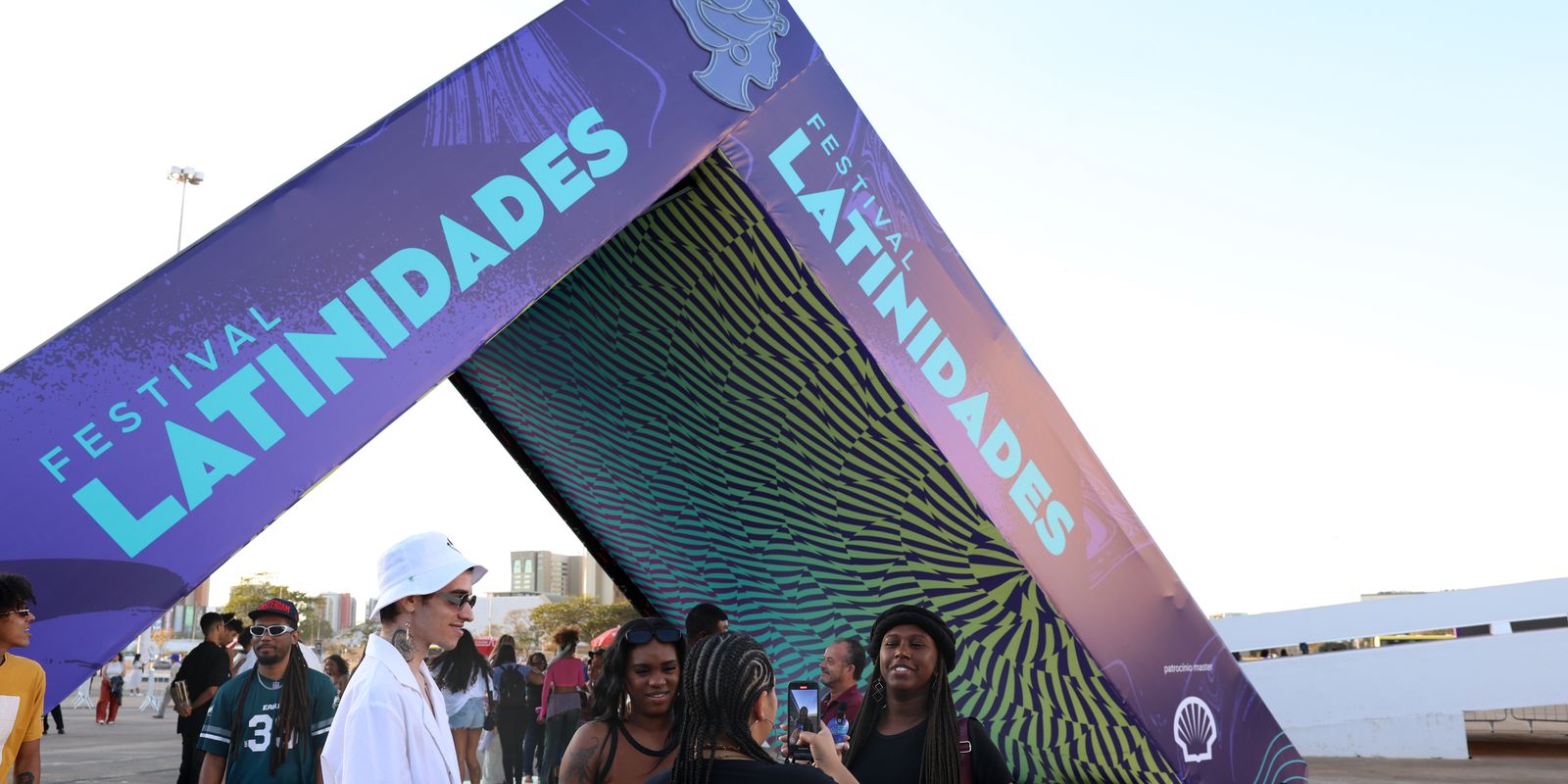
This Friday, July 25, is celebrated Latin American and Caribbean Black Women’s Day. The date is marked by the resistance, ancestry and strength of black women in the struggle against racism, sexism and all forms of discrimination.
The origin of the celebration comes from 1992, when the first meeting of Afro-Latin American and Afro-Caribenhas was held in the Dominican Republic. This initiative was a historic milestone of international articulation and recognition, and since then, July 25 has become a landmark of unity, mobilization and visibility.
In Brazil, the Latinidades Festival, which marks its 18th edition, celebrates the date with a special program until Saturday, in Brasilia. The curator of the exhibition AlumbrandNathalia Grilo, emphasizes the importance of the event in the valorization of black protagonism:
“Today, I sign the curatorship of an exhibition at the National Museum of the Republic, in the capital of the country, a museum designed by Oscar Niemeyer. I do not know when that would be possible without the invitation of Latinities. Latinities have a history of strengthening our journey,” he argues.
Construction of society
For researcher Eliane Barbosa, July 25 is a day of recognition of the presence and contribution of black women in the construction of society:
“It is a date of paramount importance, because the Americas were the continent that received the black population. This is the continent of racial plurality. Celebrating this day means recognizing the presence of black women, their fundamental role in society and the need for attention and listening,” he says.
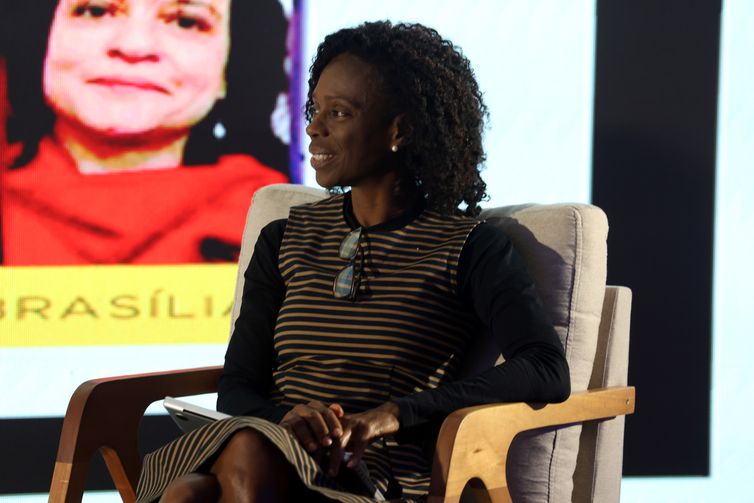
Eliane Barbosa says that July 25 is a day of recognition of the presence of black women in the construction of society Photo: VALTER CAMPINATO/AGENCY BRAZIL
The artist and filmmaker Luma Nascimento also reinforces the power of the Latinities Festival as a memory space and registration of female action in history:
“The festival highlights and documents the presence of black, Latin, American, indigenous woman and her contribution within the history of this country and how he arises, how he can get organized better. All this in a process that has been promoting this type of dialogue for years is to highlight another story, is to document another movement with female hands to get into our history.
For audiovisual professional Pietra Souza, the date is also the celebration of beauty, strength and connection between black women:
“It’s a day of historical importance. It’s a day of remembering memories, it’s a day of struggle, but in my view, it’s mainly a celebration point. Celebrating these similarities between us. Black women are beautiful, and I believe it’s the day to celebrate these powers,” he says.
Inequality Structures
The director of the Afrolatinas Institute, Jaqueline Fernandes, points out that the Latinities brings out the need to confront the structures of inequality that still profoundly affect Brazilian society.
For her, the main current challenges undergo “effective public policies, investment in anti -racist education, guarantee of representativeness in the spaces of power, valuing black culture and combating institutional violence. But it also involves changing mentalities and the collective construction of a new social ethics and civilizing pact.”
In Brazil, July 25 is also recognized as the National Day of Tereza de Benguela and Black Women, instituted by law in 2014. Tereza de Benguela was one of the most important quilombola leaders of the 18th century. Ahead of Quilombo do Quariterê, in the state of Mato Grosso, resisted for decades to slavery and created an autonomous political and economic system.
Celebrating July 25 is, therefore, to value the history of women like Tereza de Benguela and many others who have fought and continued fighting for rights, equality and visibility.