Between chips and bowls where the pulp rests that will then become paper, the days of María Paula Otero Herrera take place.
Born in Santa Clara, she was linked to art as a child, mainly through music, discipline in which she graduated in 2018 at the Higher Institute of Art (ISA, today University of the Arts). Although he began his professional life as music, it was during the pandemic that the texture of the artisanal role replaced the rhythm of the metronome.
“Confinement led me to rethink many things. I felt the need to do something from home to fill me and that, at the same time, it was economically sustainable. Thus I discovered artisanal role,” he told Oncuba.
Fascinated by the process and encouraged by its surroundings, began to experiment with textures, colors, leaves and seeds. Thus he was born Pau paper At the end of 2021, a project from the beginning linked to recycling and sustainability.
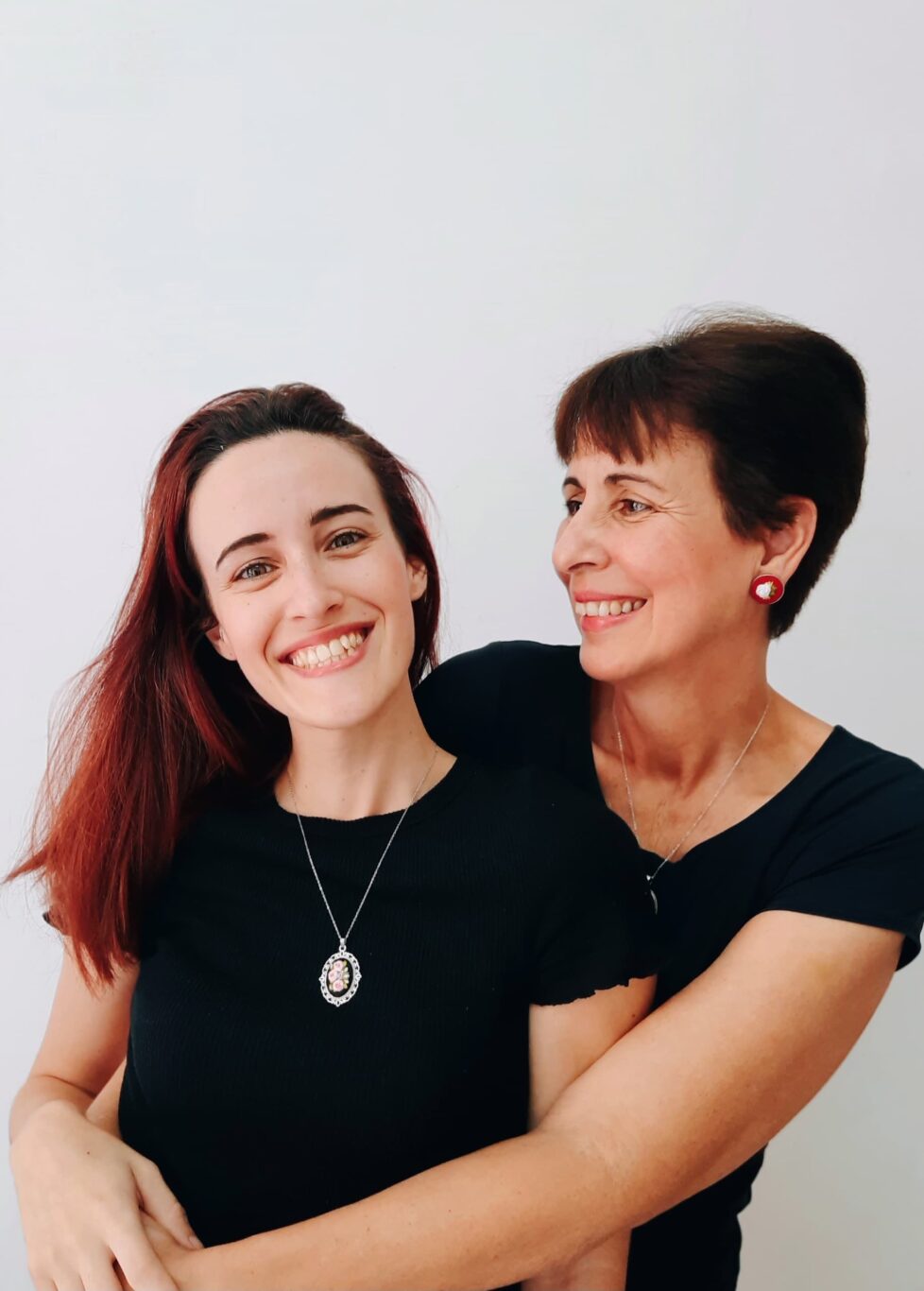
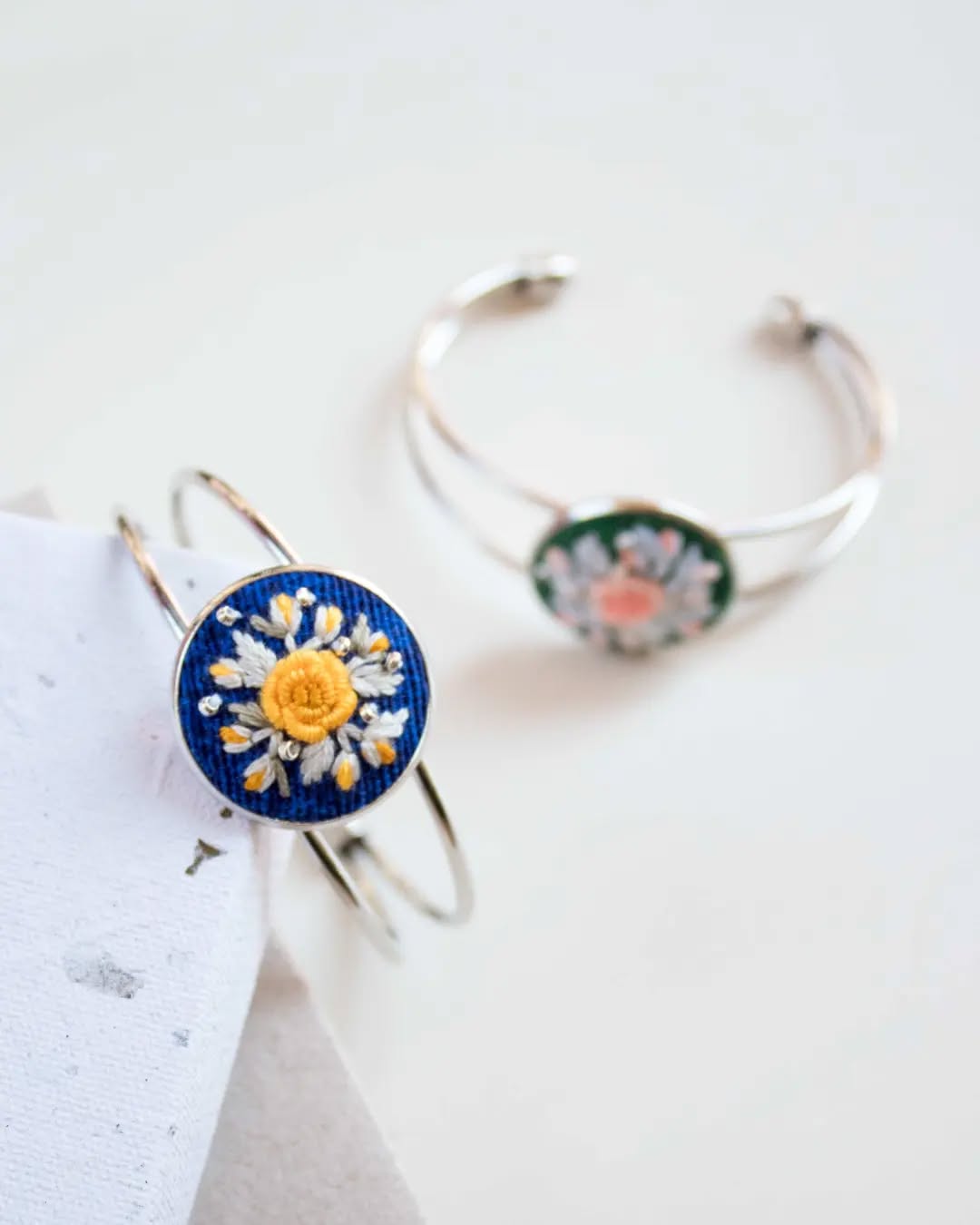
In 2023, he also founded with his mother the hand embroidered jewelry project Pau accessories. “The embroidery has always been present in my life; I learned it by observing the women of my family with a needle in hand. I wanted this entrepreneurship to be a gift for my mother: we create embroidered garments, made with great care and dedication.”
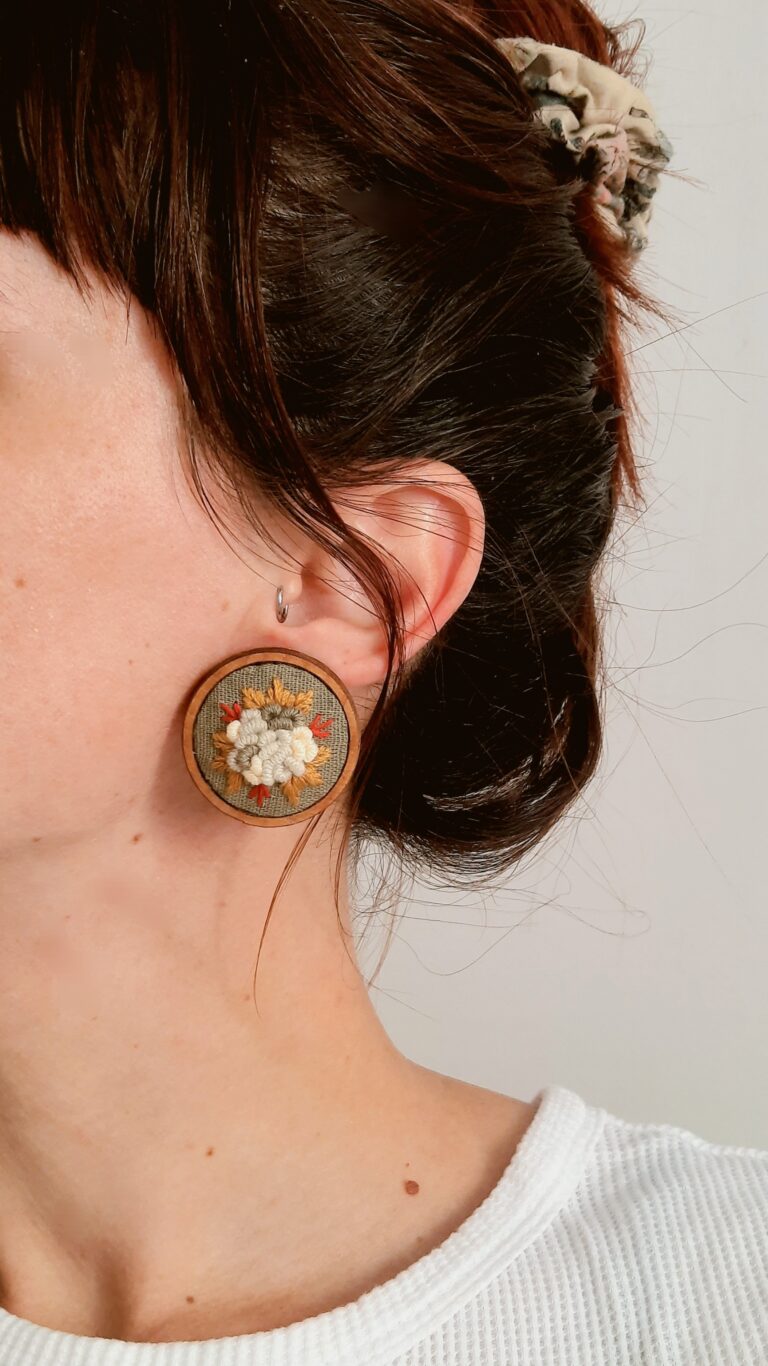
Mariapáginas, handmade handcrafted notebooks, cards and menus for small businesses and a lovely collection of embroidered jewelry make up the offer of Pau Paper and accessories, two businesses with soul that María Paula and her mother try to grow.
From Detail Workshop
María Paula’s ventures are held on a market philosophy that flows against the countercurrent: each piece is created by hand with a completely handmade and meticulous process, which requires time.
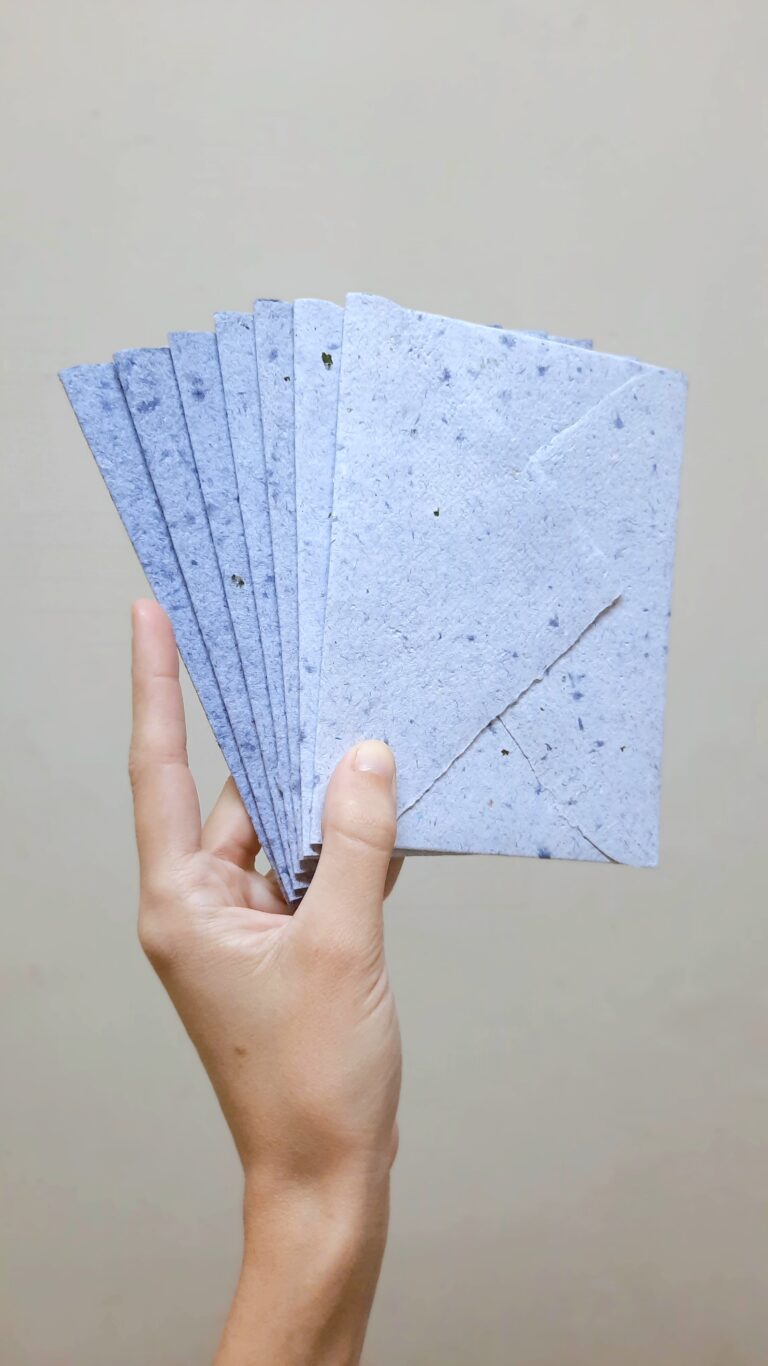
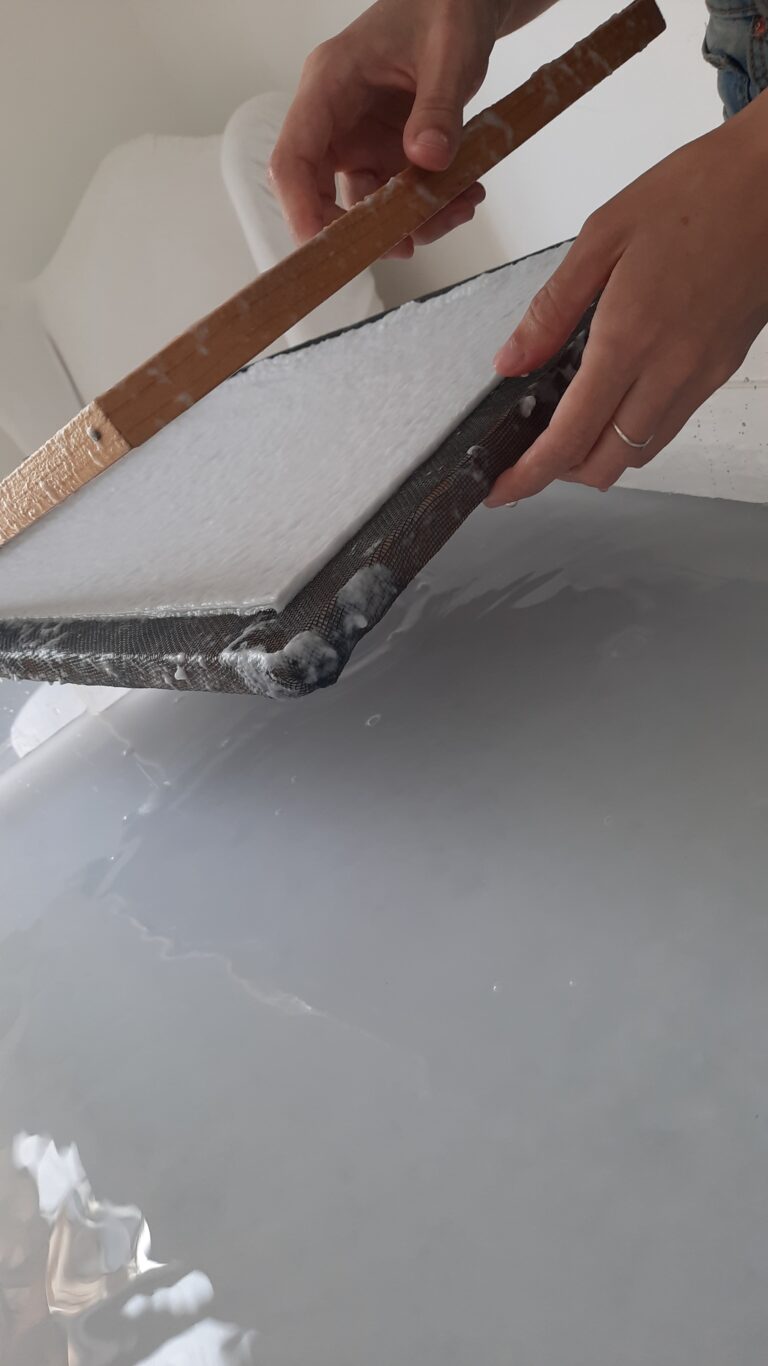
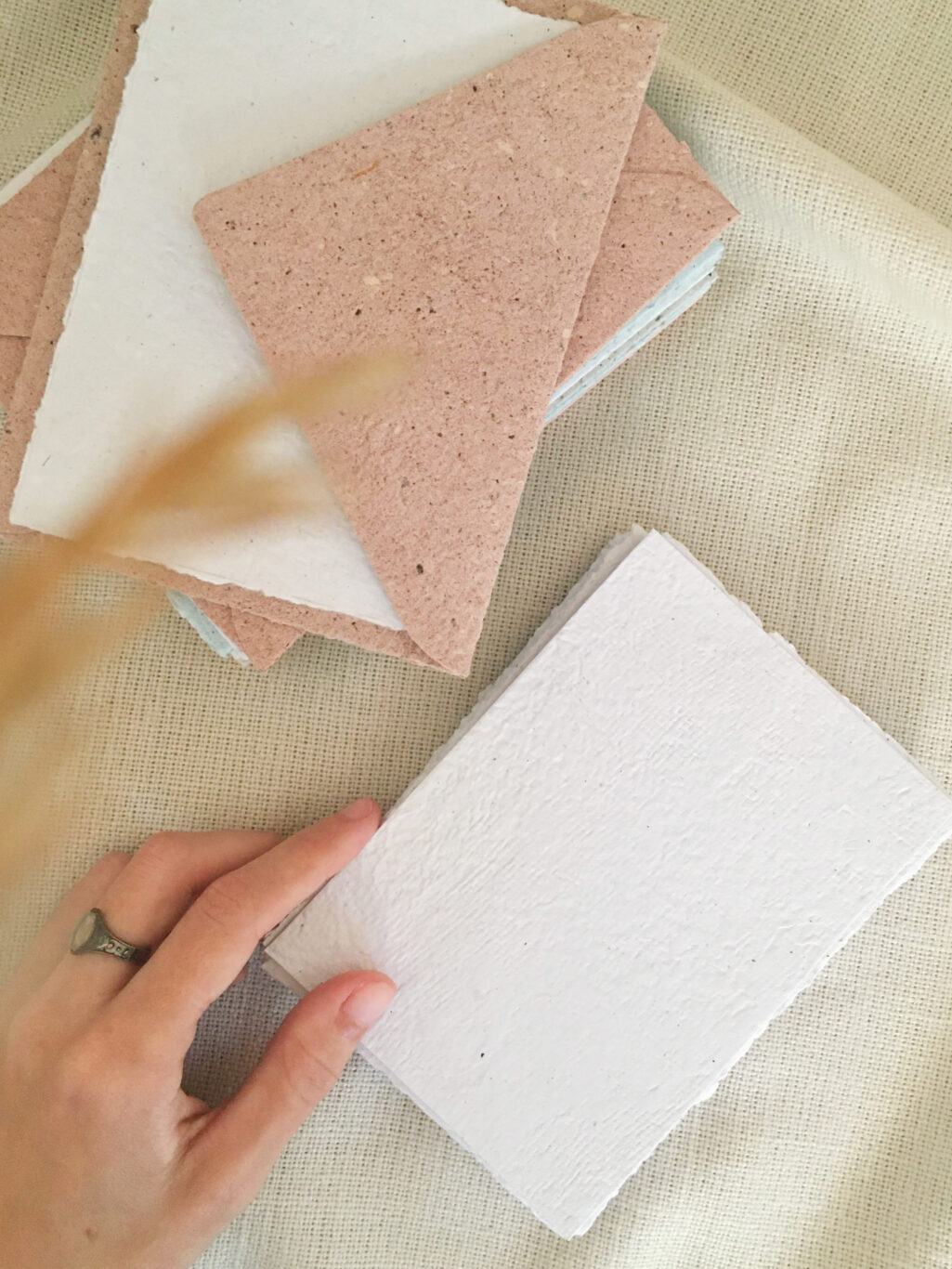
With reused paper, water, a blender and a mold, create leaf by sheet, classifying the raw material by colors and types. To each mixture can add natural dyes, leaves, dry flowers or fibers such as coconut or sugar cane.
“The paper dries outdoors and then press. I like to show that with reused materials you can obtain beautiful and valuable results,” he says.
In Pau accessories, the artisanal is also in the center of each piece. “We are interested in mixing the traditional with the modern. We want our embroidered pieces to be usable, everyday, but with the value of hand done by hand.”
Even the packaging is designed from sustainability: boxes and cards are made with recycled and biodegradable paper.
What is the manufacturing process of artisanal paper that you use in your products?
It is quite accessible and economical. With disposable papers, water, a blender and a mold you can achieve a sheet of paper. I carefully select the remains of reusable paper, the trituro, soaking and process to form new handmade sheets. Each sheet dries outdoors and then press.
A very important aspect for me is to classify the raw material by colors and types of paper, since, depending on the material used, the final result varies. In addition, you can add natural dyes, dry leaves and flowers, seeds, and natural fibers to give textures and details.
How do you incorporate embroidery into your accessories and what is its meaning for you?
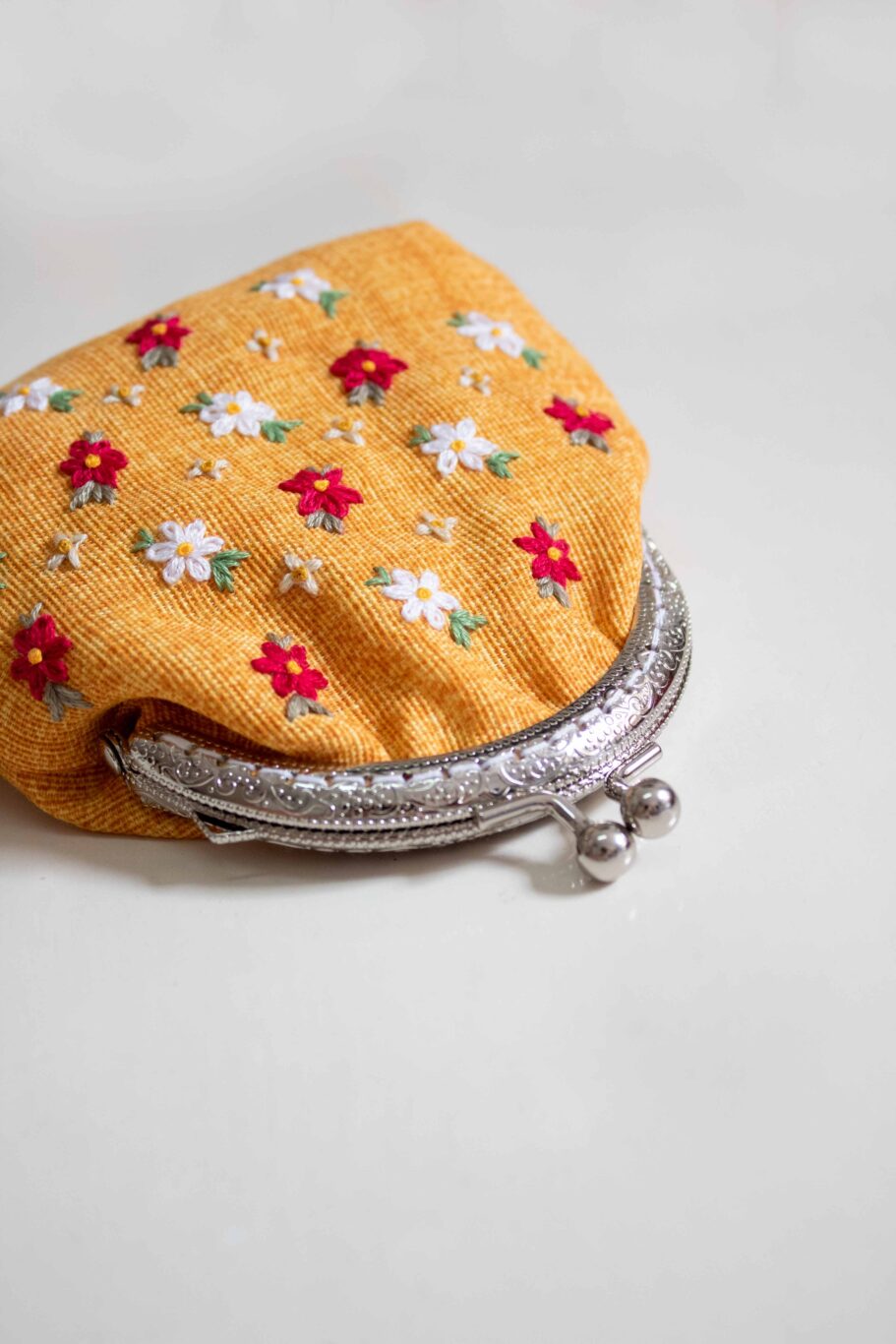
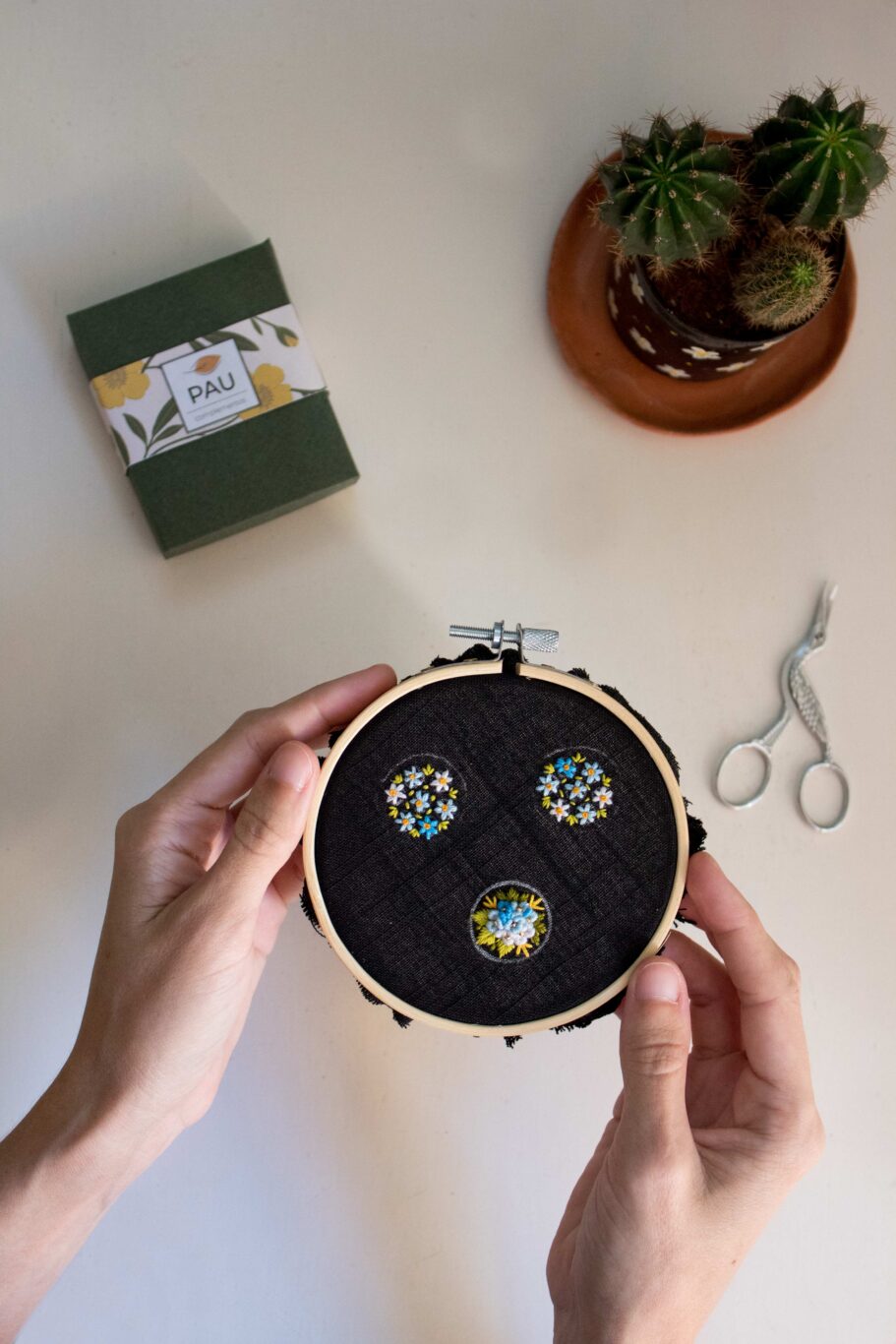
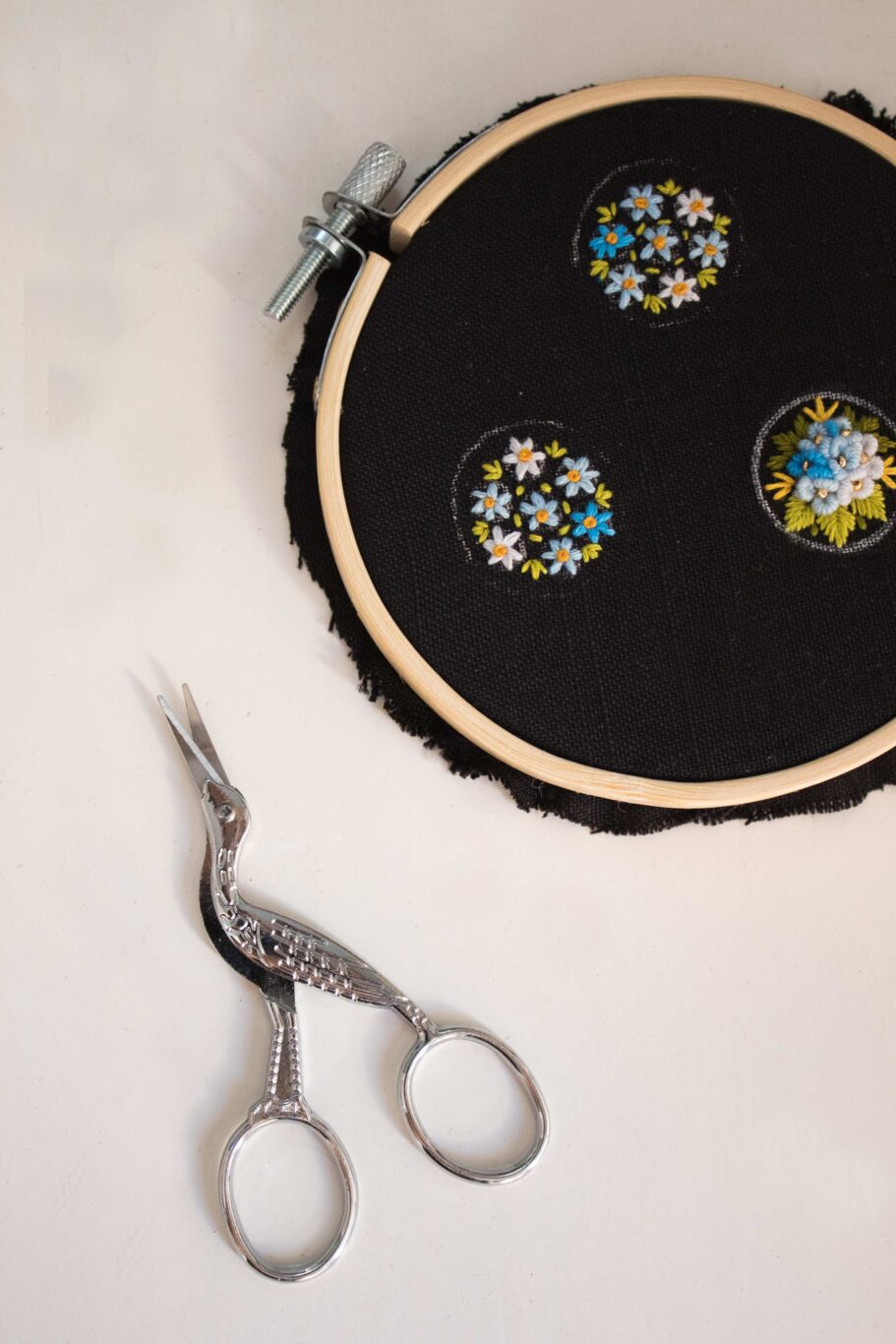
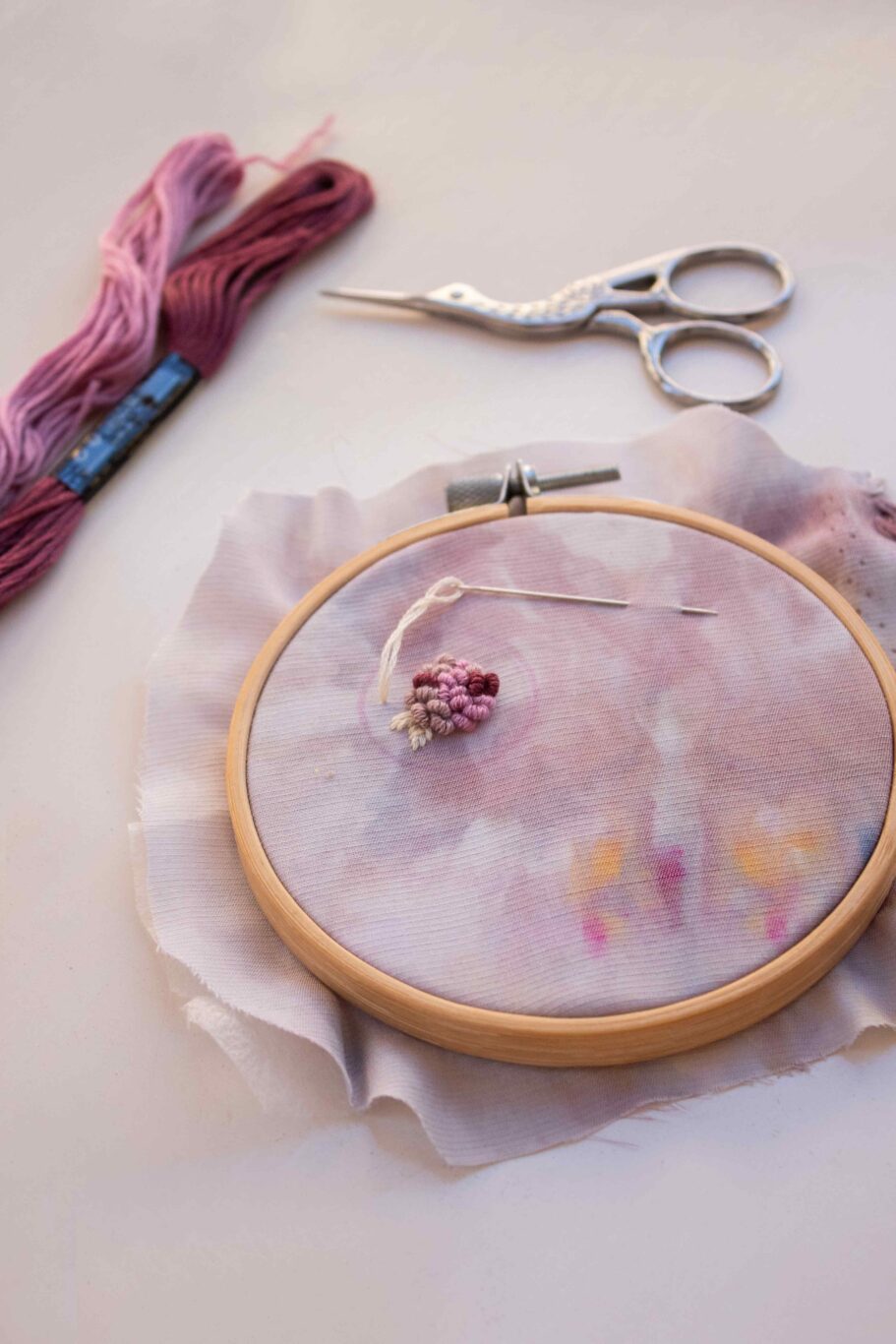
With Pau accessories, the idea was always to bring to a daily plane a technique as old as embroidery, mixing the traditional with the modern. We seek to create pieces that can be used and have the value of having been handmade, stitch stitch, very carefully.
We work with basic stitches such as the stem point, Margarita Punto and French knot, techniques transmitted by family heritage. They are the same that our grandmothers used and that we have been perfecting over time.
What importance do you give to the selection of fabrics and packaging in your work?
Choosing fabrics is fundamental in the process. We always try to use cotton, linen or pieces of leftover fabrics of other projects, to extend their life cycle and avoid waste.
Similarly, we think of the packaging, using noble materials that reduce the environmental impact. For example, our boxes and cards are recycled paper, which makes them biodegradable.
What message do you like to convey through the use of reused materials in your products?
I like to demonstrate that with reused materials you can obtain beautiful results. That this effort is valued and the beauty of what is done by hand with ecological awareness is something that always fills me with joy.
Where is your inspiration for the design of your artisanal items?
I love design since childhood, and in my creation process I always look a lot at the details of nature, art and fashion. Designing an artisanal article is to unite tradition and trend. We look and find references in any format, both in a museum and on an Instagram account.
What importance do you give color and aesthetics in your products?
Much, to color and create harmony between them. I think that everything that is beautiful and attractive is already functional, useful and fulfills a purpose. The aesthetics first impacts the customer, and then the functionality convinces it.
How do you describe the functionality of your products, for example the notebooks?
The notebooks are beautiful by themselves, but they are also useful and durable, because they are handmade, leaf by sheet, with that purpose in mind.
Sustainability: A commitment from the origin
Sustainability is not only a characteristic of the products that María Paula creates in her workshop, but a vital principle, the heart of her ventures. “Both projects are deeply connected to sustainability. It is possible to create beautiful, useful and significant things without damaging the environment.”
For Pau paper, it collects recyclable materials and the whole process is manual and free of toxic chemicals. In Pau accessories, the small scale, the use of pieces and the use of noble materials promote more responsible consumption.
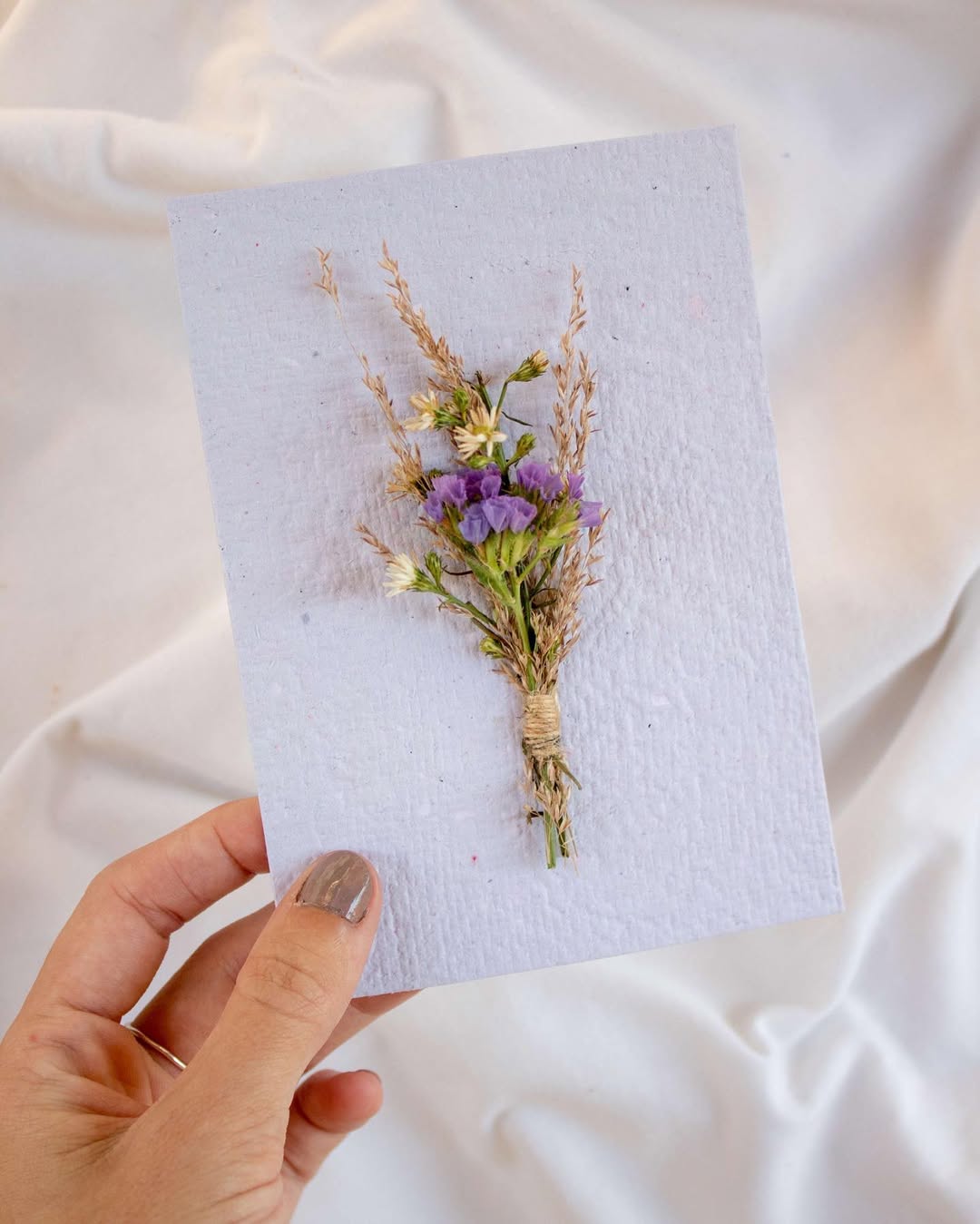
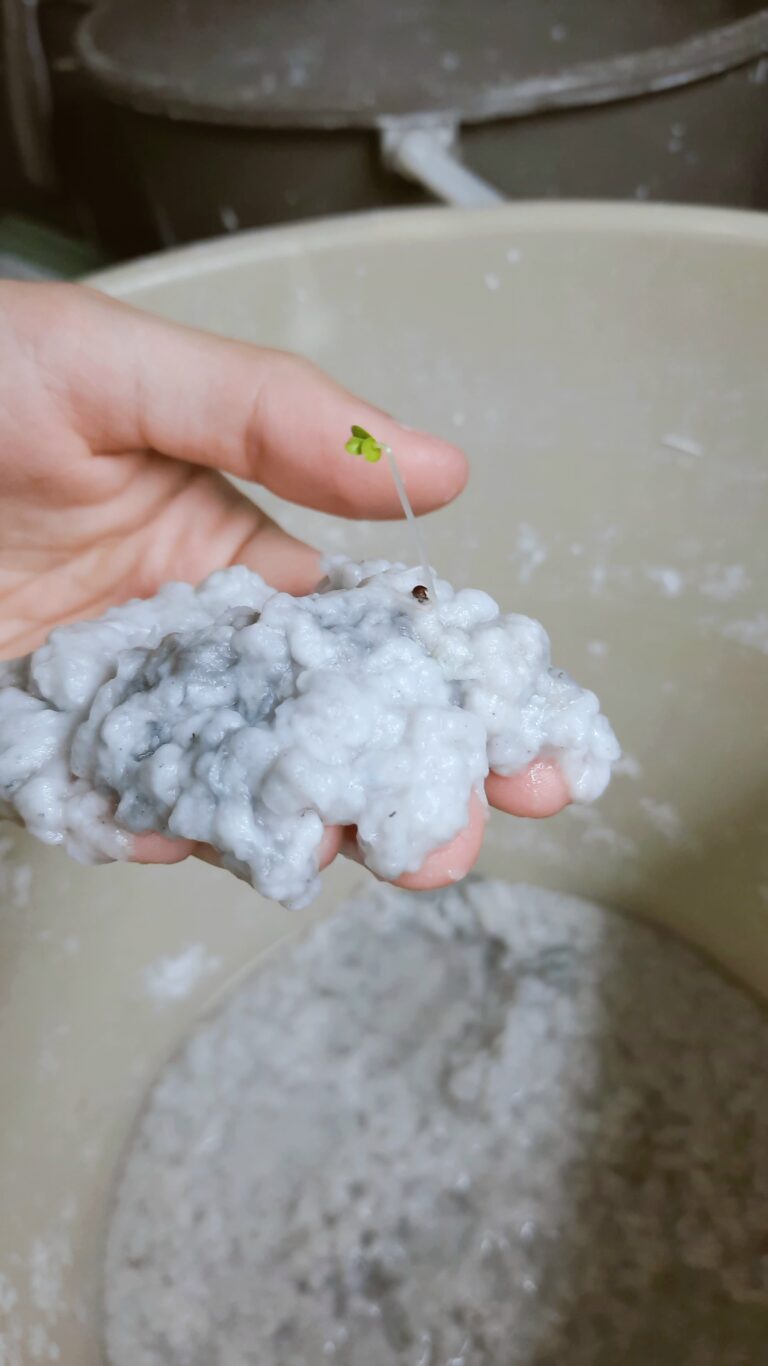
One of its most unique products is the plantable paper, made with seeds that can germinate to biodegrading. “It seemed incredible to me that something that usually discarded, like a card, could become life. Thus the consumption cycle closes.”
What place does sustainability have in your projects and your daily life?
It is an essential pillar in both areas of production, and it is something that I have in my daily life. Not only because of the way we produce, but also because of the message we want to convey.
How do sustainability apply in artisanal stationery?
In the stationery we work mainly with recycled paper, collecting materials that would otherwise be discarded. These materials come to my workshop through institutions such as embassies, foundations, companies, or customers interested in recycling. This reduces the amount of waste generated and decreases the demand for new paper, which implies lower consumption of water, energy and tree logging.
The whole process is manual, with traditional and toxic chemicals, guaranteeing a minimum environmental impact.
And in Pau accessories?
In Pau accessories we seek to work consciously, using low impact materials and taking advantage of textile leftovers. Being handmade pieces, we produce on a small scale and avoid the rapid consumption model, promoting responsible consumption where each object has a special value for the time and care invested in it.
How does the idea of plain paper work?
From the beginning I was clear that I wanted to incorporate seeds into several products. I discovered this technique and I found it fascinating, since many cards or labels end up discarding. Thus, when biodegrading, the paper can germinate a plant and close the consumption cycle, which has a very special value.
Challenges, Learning and Persistence
Is it possible and profitable to undertake in an ecological way in Cuba?
I can say that, in a way, it is possible and can be profitable, although it is very difficult and with limitations, especially to stay over time in the face of the constant deterioration of the country’s situation.
I have had to be very persistent and have the support of many close people, friends and family. A very beautiful community of entrepreneurs with similar interests and objectives has been created, and that has helped me a lot to move forward with my venture.
What have been the main challenges that you have faced as an entrepreneur in the field of artisanal stationery and the embroidery universe?
The main challenge has been and remains access to materials. In Cuba, get basic tools – textile materials, threads to embroider, needles, scissors, among others – can be complicated, expensive and, above all, little constant. This has forced us to be very creative and make the most of everything that reaches our hands.
Another important challenge has been the lack of stable access to resources such as Internet or sales and promotion platforms, which makes visibility and marketing of work difficult, especially when it seeks to reach a broader audience or establish links outside the country.
We also face limitations in specialized training and technical update; Many times I have had to learn in a self -taught way or through the exchange of knowledge with other entrepreneurs.
In addition, having sustainable projects implies constantly educating customers about the value of what was done by hand, recycling and responsible consumption. Sometimes it is a challenge to convey why an artisanal and sustainable product can have more value (and a fair price) than an industrial one.
But there are many rewards: creative solutions are developed, support networks are created and the commitment to a way of making people and the environment is strengthened.
Networks that support
The community has been key in the growth of both projects. “The first to trust were my friends and family. Little by little, suppliers, clients, colleagues were added. Alliances with other ventures have been fundamental.”
Social networks, especially Instagram, have been their showcase. “Despite the limitations, it is where I promote, interact and sell. In a context where there are not always available physical spaces, networks allow visibility and closeness.”
How has the community influenced the growth of Pau Pa for?
For a business that begins as a personal initiative, community support is fundamental. Friends and family are the first market that criticizes, supports and promotes. Without realizing, around a structure that facilitates access to suppliers, materials and customers is created.
In addition, alliances with related ventures are forming that community that disseminates, validates and accompanies what we do, not only as consumers, but also as allies, colleagues and followers. This generates a much more human and close relationship.
Looking to the future
María Paula’s plans for Pau Paper and Pau accessories include continuing to diversify products, grow in audiences and explore new markets, inside and out of Cuba. “I would love to give workshops, not only of artisanal paper, but also binding and embroidery. It would be a beautiful way to share what I have learned,” he says.
Do you have any advice for those who are considering undertaking in the field of crafts or sustainability in Cuba?
That does not discourage if everything seems slow or complicated. All processes have been, so you have to focus on what you want, educate the community about the values that you want to transmit, and the rest will flow.
If I have learned something, many times you have to invent, adapt and learn by doing. But there is also a community that supports, that values the authentic and seeks respectful, responsible and close alternatives.