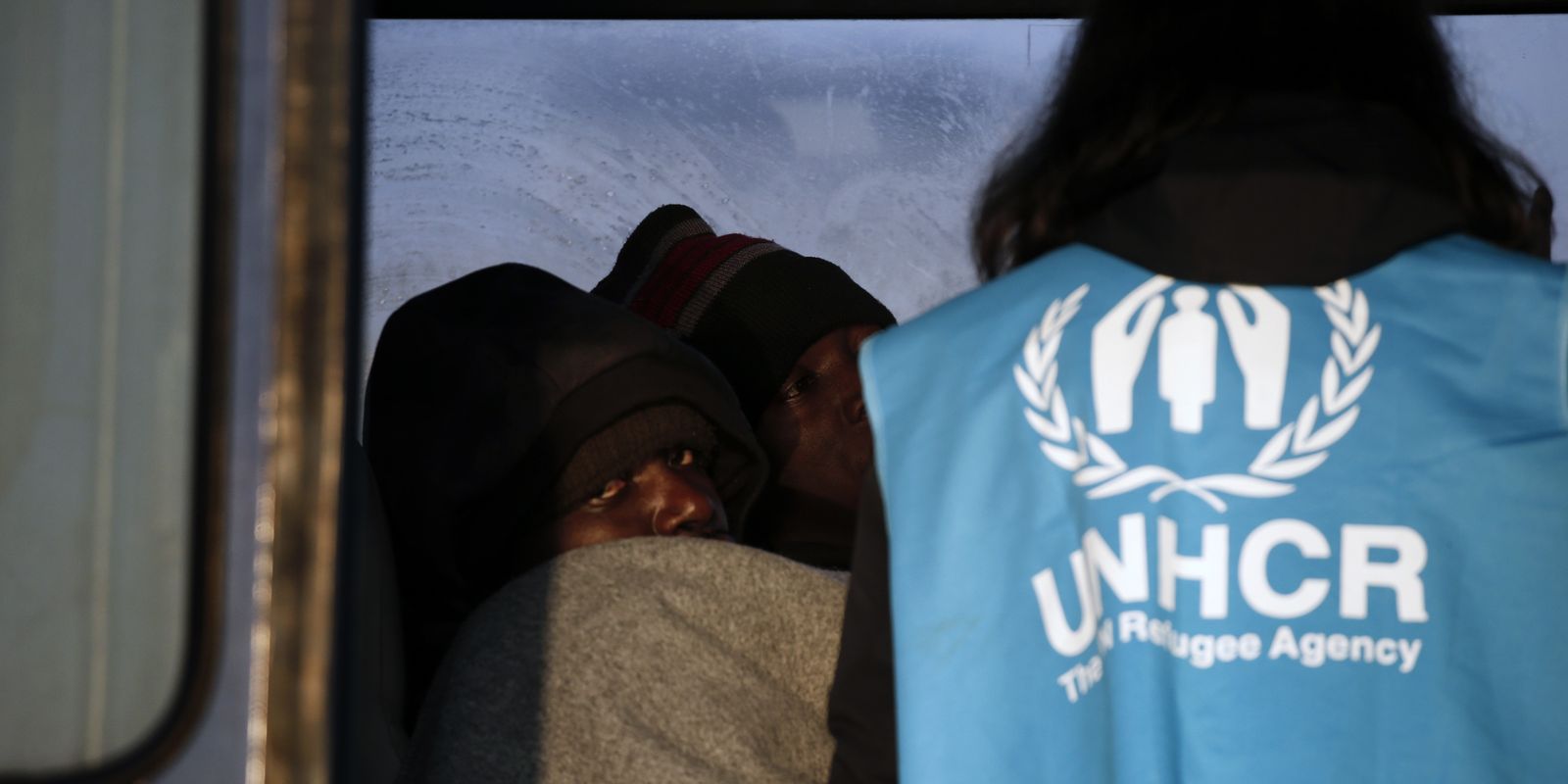
Belém City Hall hopes to save R $ 1.1 million a year with the installation soon of solar panels in two health units and two municipal schools in the city. The initiative is the result of a partnership with the UN Agency for Refugees (UNHCR).
The agreement provides for the supply, installation and maintenance of the panels, at no cost to the City Hall, the Guamá Family Health Units and the Pedro Demo and Helder Fialho municipal schools, both in the Outeiro District.
“Today, by signing this partnership in such an important area as renewable energy, we take a step towards generating saving to public coffers, promoting sustainability and contributing to the preservation of our climate,” said Mayor Igor Normando.
In a statement, the city explained that the four units contemplated with the solar panels were selected based on two in the volume of energy consumption and the service of the vulnerable population.
The Guamá Health Unit, for example, was chosen for having more care to the population and, consequently, the higher consumption of electricity. The two schools, in the Outeiro District, were selected for also serving Venezuelan refugees from the Warao Indigenous Community seeking refuge in Brazil.
>> Follow the channel of Brazil agency on WhatsApp
Indigenous Warao
In the article Warao in Brazilpublished last year, UNHCR states that there were just over 7,000 Warao indigenous people at the time distributed throughout Brazil. Of these, approximately 800 live in the metropolitan region of Belém, a city that, according to the entity, “has been consolidated as a place of traffic and destination” for waraos and people of various nationalities.
According to UNHCR, the partnership official last Thursday (11) establishes the new bases for technical cooperation between the entity and the municipal agencies, with the purpose of “promoting joint actions in favor of protection, assistance and integration of refugee people, asylum and bumping applicants.”
Predicted actions include mutual support for initiatives for the reception and integration of more vulnerable groups, such as access to documents and job and income opportunity.
Acnur
The partnership has an initial validity of two years and can be renewed, and will serve as a basis for joint work plans, ensuring the implementation of inclusive public policies and expanding access to essential services to the vulnerable population. The signing of the agreement also marks the beginning of the partnership between UNUR and Chinese company Longi, manufacturer of equipment intended for solar energy production.
UNHCR representative in Brazil, Davide Torzilli, confirmed the presence of the entity at the United Nations Conference on Climate Change of 2025 (COP30), which will be held in Belém in November this year.
“Refugees need to integrate debates on climate justice, bringing their points of view, to contribute to global discussions from local reality. Its inclusion strengthens public services and generates concrete benefits to the entire community, promoting more resilient and inclusive societies,” he said.