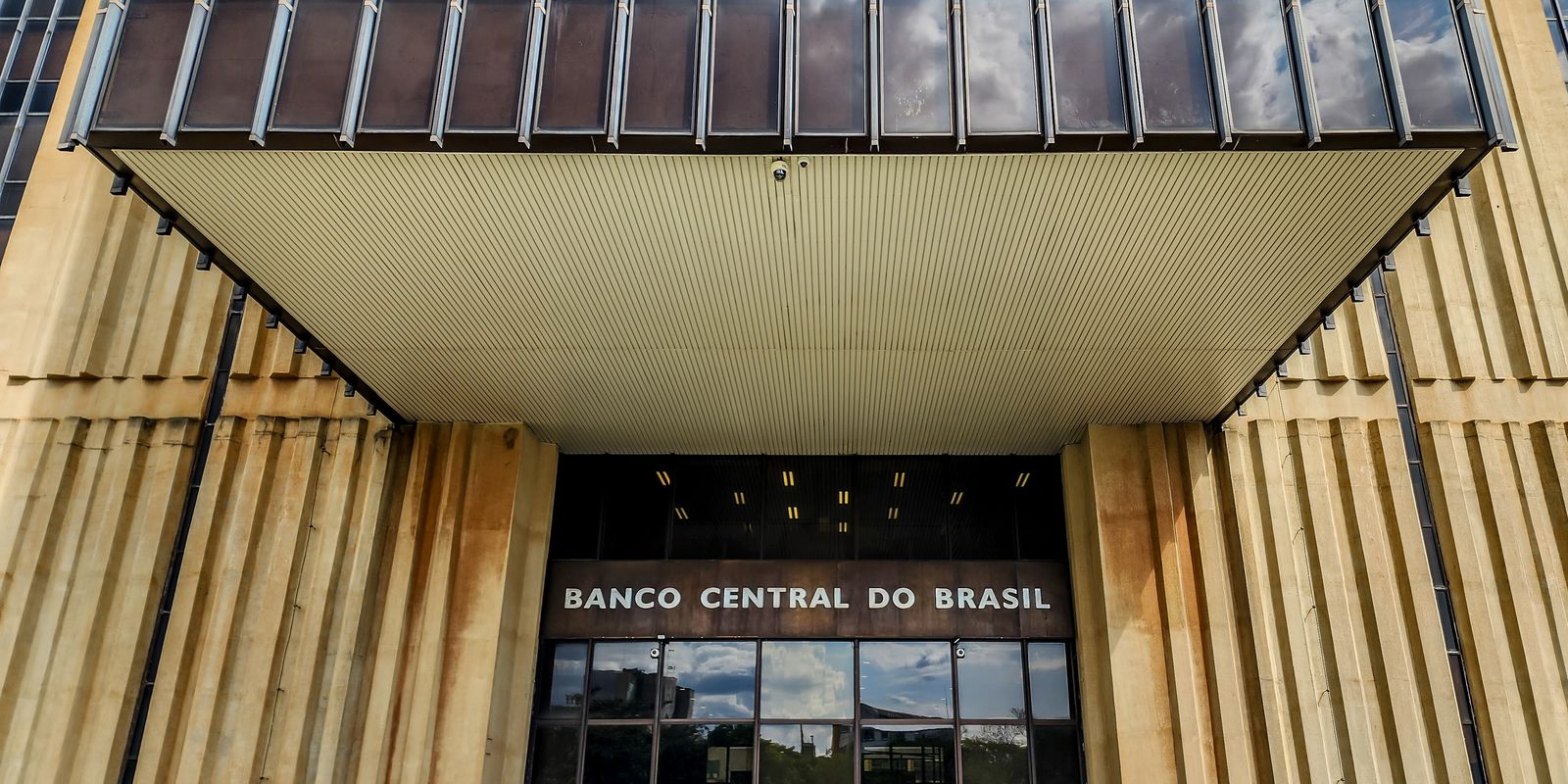
The decline in inflation and the slowdown in the economy meant that the Central Bank (BC) did not change interest rates. Unanimously, the Monetary Policy Committee (Copom) maintained the Selic Rate, the economy’s basic interest rate, at 15% per year. The decision was expected by the financial market.
In a statement, the Copom gave no clue as to when it should start cutting interest rates. As in the last meeting, he repeated that the The current scenario is marked by great uncertainty, which requires caution in monetary policy, and the BC’s strategy is to maintain the Selic rate for a long time.
“The committee assesses that the current strategy, of maintaining the current interest rate level for a very long period, is adequate to ensure the convergence of inflation to the target. The committee emphasizes that it will remain vigilant, that future steps of monetary policy may be adjusted and that, as usual, it will not hesitate to resume the adjustment cycle if it deems it appropriate”, highlighted the statement.
This is the fourth consecutive meeting in which the Copom maintains basic interest rates. THE rate is at the highest level since July 2006when it was at 15.25% per year.
After reaching 10.5% per year in May last year, the rate began to be raised in September 2024. The Selic reached 15% per year at the June meeting, having been maintained at that level since then.
Inflation
Selic is the Central Bank’s main instrument for keeping official inflation under control, measured by the Broad National Consumer Price Index (IPCA). In November, the IPCA stood at 0.18% the lowest level for the month since 2018. As a result, the indicator accumulates an increase of 4.46% in 12 months, returning to within the ceiling of the continuous inflation target.
For the new continuous goal systemin force since January, the inflation target that must be pursued by the BC, defined by the National Monetary Council, is 3%, with a tolerance range of 1.5 percentage points up or down. That is, the lower limit is 1.5% and the upper limit is 4.5%.
In the continuous target model, the target is determined month by month, considering the inflation accumulated over 12 months. In December 2025, inflation since January of the same year is compared with the target and tolerance interval.
In January 2026, the procedure is repeated, with calculation starting in February 2025. In this way, the verification moves over time, no longer being restricted to the closed index from December of each year.
In the latest Monetary Policy Report, released at the end of September by the Central Bank, the monetary authority decreased to 4.8% the IPCA forecast for 2025, but the estimate will be revised, due to the behavior of the dollar and inflation. The next edition of the document, which replaced the old Inflation Report, will be released at the end of December.
Market forecasts are more optimistic. According to the bulletin Focusweekly survey of financial institutions released by the BC, official inflation is expected to close the year by 4.4%slightly above the target ceiling. A month ago, market estimates were at 4.55%.
Expensive credit
The increase in the Selic rate helps contain inflation. This is because higher interest rates make credit more expensive and discourage production and consumption. On the other hand, higher rates hinder economic growth. In the last Monetary Policy Reportthe Central Bank growth projection decreased from 2.1% to 2% for the economy in 2025.
The market projects slightly better growth. According to the latest edition of the bulletin Focuseconomic analysts predict expansion of 2.25% of GDP in 2025.
The basic interest rate is used in public bond negotiations in the Special Settlement and Custody System (Selic) and serves as a reference for other interest rates in the economy. By readjusting it upwards, the Central Bank holds back the excess demand that puts pressure on prices, because higher interest rates make credit more expensive and encourage savings.
By reducing basic interest rates, the Copom makes credit cheaper and encourages production and consumption, but weakens inflation control.
To cut the Selic, the monetary authority needs to be sure that prices are under control and are not at risk of rising.