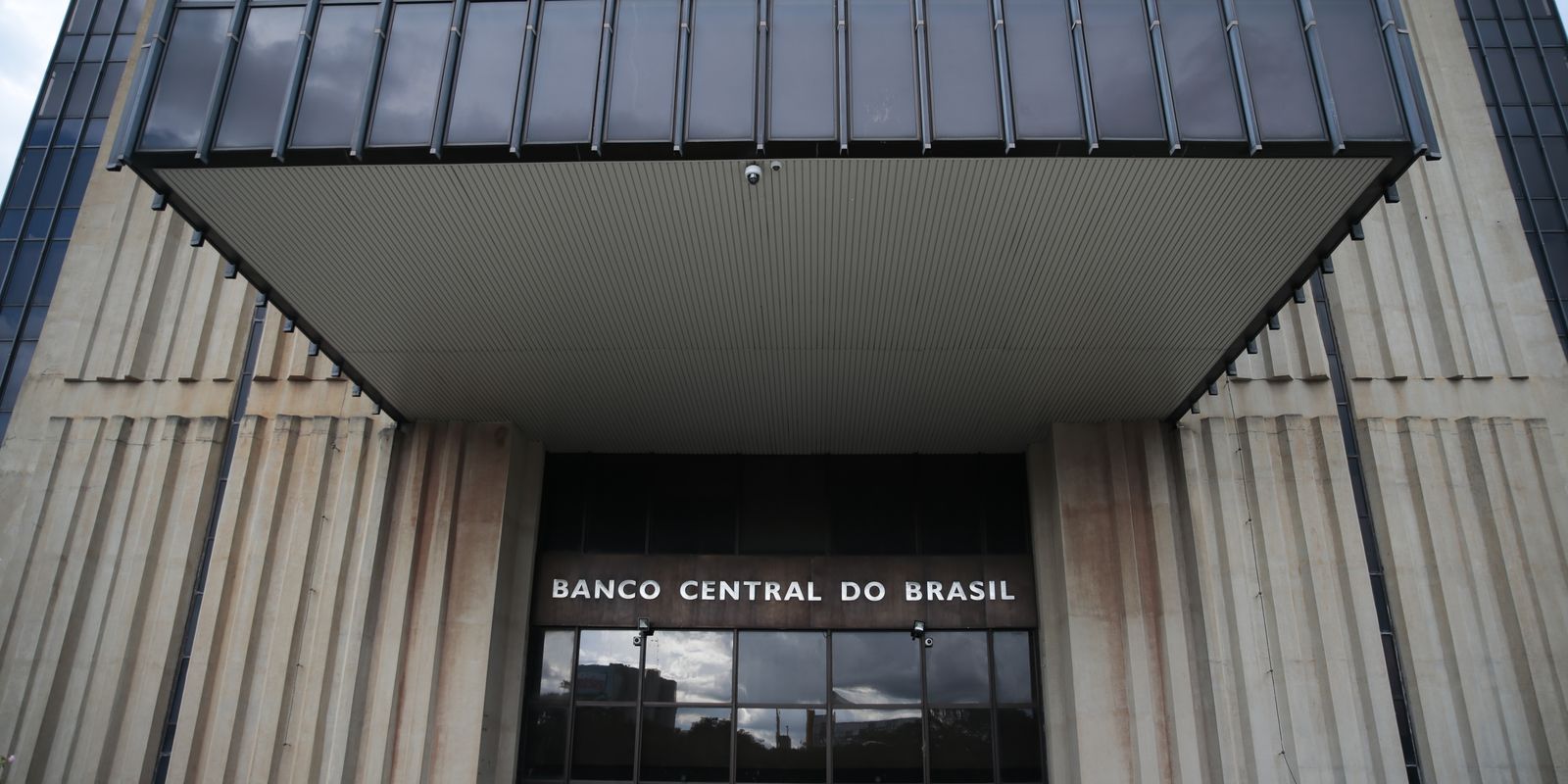
The Central Bank (BC) changed rules on the compulsory closure of bank accounts without support or in violation of regulations, including so-called pocket accounts. They are accounts opened by fintechs in traditional banks, that is, they operate on behalf of third parties with the aim of hiding the identification or replacing customer obligations and can be used for fraud, for example.
Fintechs are innovation companies that differentiate themselves by using technology to offer digital financial services. In August of this year, Federal Revenue also established that fintechs must be subject to the same rules as bankswith regard to the obligation to provide information that leads to the fight against crimes, such as money laundering.
“When we are talking about fraud prevention, preventing the use of the system [financeiro] by organized crime, there is no silver bullet, but we are obviously committed to understanding where we can act to continually strengthen the health and integrity of the financial system”, said the director of Citizenship and Conduct Supervision at the BC, Izabela Correa.
From now on, banking institutions will have the obligation to adopt criteria to identify these irregular accounts, such as pocket accounts, and may use data stored in public or private databases. The BC explained that, then, banks must close the accounts after communicating to customers.

Brasília (DF) 07/04/2023. For the BC’s Director of Inspection, Ailton de Aquino Santos, the changes are not a barrier to innovation and the entry of fintechs into the financial system. Lula Marques archive photo/ Agência Brasil. – Lula Marques/ Agência Brasil
The BC’s Director of Inspection, Ailton de Aquino, highlighted, however, that there are legitimate pocket accounts, such as accounts from payment institutions and marketplaces, for example. “For me, this standard is a standard to combat illicit, perhaps criminal, behavior perpetrated in the national financial system,” he said.
“The pocket account, the illegal use of this unauthorized practice, I cannot believe that entities authorized by the Central Bank can sell shielded account services. This to me is a distortion. But we also cannot demonize the concept of pocket accounts”, he added.
>> Follow the channel Brazil Agency on WhatsApp
The new rule comes into force on December 1, 2025 and documentation related to compulsory closure accounts must remain available to the Central Bank for at least 10 years.
The new rules on finalizing accounts are published on the BC website: CMN Resolution No. 5,261 and BCB Resolution No. 518.
Minimum limit
The BC and the National Monetary Council (CMN) also published rules that deal with the new methodology for determining the minimum limit of share capital and net worth of financial institutions and other institutions authorized to operate by the Central Bank. The objective is to ensure that banks and fintechs have sufficient resources to absorb risks and operate safely.
The new regulations focus on the activities actually carried out by institutions to define the minimum capital required, and no longer on the specific type of institution. Furthermore, the methodology foresees a portion of the minimum capital to cover the initial cost of the operation and the costs associated with intensive services in technological infrastructure.
Finally, the new regulation requires an additional portion of capital from institutions that use the expression ‘bank’ or any term that suggests it in their nomenclature, in Portuguese or another language.
The regulations come into force immediately. However, so that institutions already in operation — or those being analyzed by the BC — can adjust to the new rules, the following transition schedule was defined, which runs until December 2027.
Director Ailton de Aquino stated that the changes are not a barrier to innovation and entry of fintechs, but aim to reinforce the resilience of the financial system.
“I don’t believe in an IP [instituição de pagamento] with initial capital of R$1 million to meet the need for technology, hiring an auditor, and setting up a good structure. I think that bringing this number to around R$9 million to R$32 million, operating with Pix, is something that I understand is quite important at this moment”, he said, informing that there are almost 300 IPs authorized by the BC to operate.
“We have experienced, in recent months, unpleasant situations in the national financial system [como invasão e perda de valores]. This is an answer, it’s an evolutionary process, but also a response to that”, he reinforced. According to him, for example, the initial capital of brokerages went from R$245 thousand to R$8 million.
Of the 1,800 banking entities, around 500 will be impacted and will have to reinforce their capital structures.
The rules on social capital are also on the BC website: Joint Resolution No. 14 and BCB Resolution No. 517.