The modifications to the Regulation of Payment and Securities Settlement Systems, recently approved by the Monetary Boardwill allow public transfers to be credited to accounts in less than 10 seconds, 24 hours a day, seven days a week.
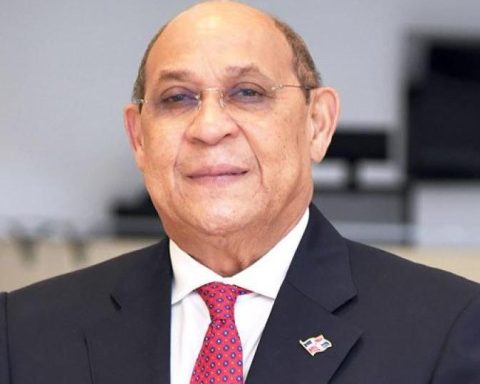
This was announced this Wednesday by the governor of the Central Bank of the Dominican Republic (BCRD), Hector Valdez Albizuwho announced that the new platform, which will allow greater agility in transfers, will come into operation in the coming months.
At the end of October, the Monetary Board approved the final version of the comprehensive modification of the Regulation of Payment, with the objective of strengthening the efficiency, immediacy and security of payment operations in the country.
Valdez Albizuspeaking at the opening of the tenth International Seminar of Communication, which had as its theme “Role of sustainability for development”, he highlighted that the improvement payment system is part of the contributions of the BCRD to the Sustainable Development Goals, by promoting financial inclusiontransparency and digitalization.
“In the case of Central Bankour actions sustainability They are mainly oriented towards the themes of economic educationenvironmental management, climate change and to promote economic growth, fulfilling our function of guaranteeing the price stability within the framework of promoting a more inclusive financial system,” he said.
The official assured that the sustainability It is not only an environmental issue, but also economic and social inclusion“which helps us find a balance between growth and protecting the environment, ensuring that everyone has access to the resources and opportunities necessary to thrive.”
From bills to wood
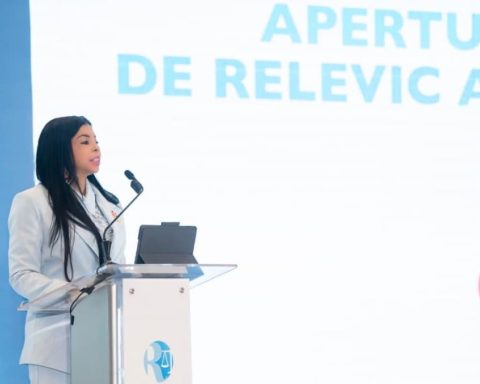
During the event, Constanza Muñozhead of the infrastructure and services management control group Central Bank of Chile, revealed that this institution, together with a private supplier, carries out an initiative that converts the banknotes that go out of circulation into wood and energy for the cement industry.
-
Muñoz, who participated as a speaker, explained that since 2019 the Chilean monetary entity has been carrying out a process of recycling and transforming polymer banknotes, which are mixed with other polypropylene materials and transformed into plastic wood, used to make children’s games, beach instruments or other uses.
“The waste of cotton paper bills are engaged in a process of co-processing as energy for the cement industry,” he reported.
The event was held in the Auditorium of the BCRD and had the participation of a team from the Superintendency of Banks of the Dominican Republic, composed of Natalia Sanchezdirector of ProUsuario; Himilce Tejada, in charge of the division of Sustainabilityand Dawilvi Peña, senior specialist in environmental and social risks.