He Union of Workers of Agroindustry of sugarcane and similar (Sintraicañazucol), Tuluá Subdirectivehe issued one National Public Complaint in which he rejects the recent statements of national government officials on the role of sugar agribusiness in the Valle del Cauca.
The union organization questions the pronouncements of the Minister of Environment and Sustainable Development, Irene Vélezand of President Gustavo Petrowhom he accuses of making statements “fallacious and stigmatizing“Against the sector. According to the union, in recent official interventions, ethanol would have been described as a threat to food security and sugar sector as a”Social disaster”
(You can read: How could the palm become a development engine for the country?).
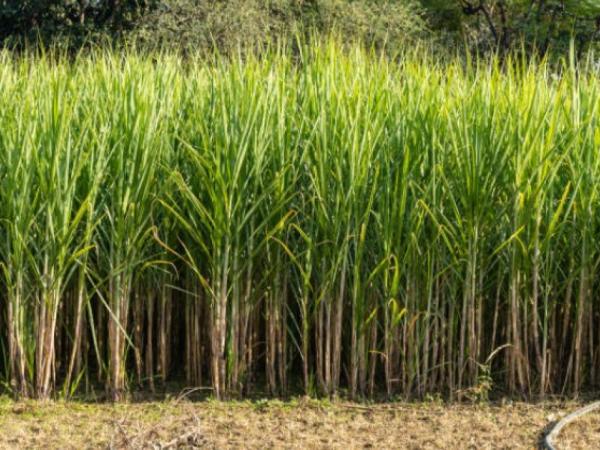
The union argues that these statements distort the economic and social reality of the sector, which, according to their figures, represents 19.5% of agricultural GDP and 12.1% of the industrial GDP of the Valle del Cauca, generates 286,000 direct and indirect jobs and reaches 90% of labor formalization and unionization. In addition, it emphasizes that the cane cultivation occupies the sixth place in national agricultural extension, with more than 291,000 hectares, and contributes significantly to local tax revenues.
Irene Vélez, former minister and energy.
Private archive
In environmental matters, the organization highlights the technological and sustainable advances of the sector, including the Bagazo cogeneration, biofuel production, wastewater treatment, burning reduction and precision agriculture, which have allowed to reduce ecological impact and strengthen energy transition.
The union also claims the National Ethanol Productionpointing out that it does not receive subsidies and that it contributes to the generation of employment, to rural development and the energy security of the country.
(Further: Colombia’s potential in fresh fruits exports).
In its pronouncement, Sintraicañazucol also demanded that the National Government Recognize your historical contribution to regional development, convene a tripartite social dialogue (government, workers and mills) to build sustainable alternatives, and review free trade agreements, in order to protect local production against the importation of food and fuels.
Comments on ethanol
During the Council of Ministers held on September 29 at the Casa de Nariño, President Gustavo Petro raised the structural change in the methodology to determine the price of ethanol in the country.
As the president explained, The value of the biofuel would cease to be linked to the international price of oil and began to be governed by the behavior of the world market of ethanol, with the purpose of more precisely reflecting its real production costs.
The Head of State said this modification seeks to eliminate what he called a “unconstitutional subsidy”, Which, in his words, mainly benefited large landowners linked to the sector. Likewise, He assured that the measure will allow to release cultivation areas in the Valle del Cauca, which could be used for food production.
(We recommend: High crops mark cereal trade, with geopolitics as a risk factor).

Sugar
Source: Istock
“Ethanol will have free market for the world, at the price of production cost, and we release the land of Valle del Cauca to food”, Said the president during his speech.
On the side of the Minister of Environment I had already commented on the effects of the nature of the sugar industry in the Valle del Cauca.
“The expansion of sugarcane has been an ecological disaster, and not only ecological, but also social (…) sugarcane crops“The official said, within the framework of the Biodiversity Week, held in the city of Cali.
And he added: “This valley has to change and it is the perfect opportunity for us to dream a different valley, that goes beyond the cultivation of sugar cane, which has done so much damage to the ground, to the water and the communities. The expansion of sugarcane has been an ecological disaster, and not only ecological, but also social“
Portfolio