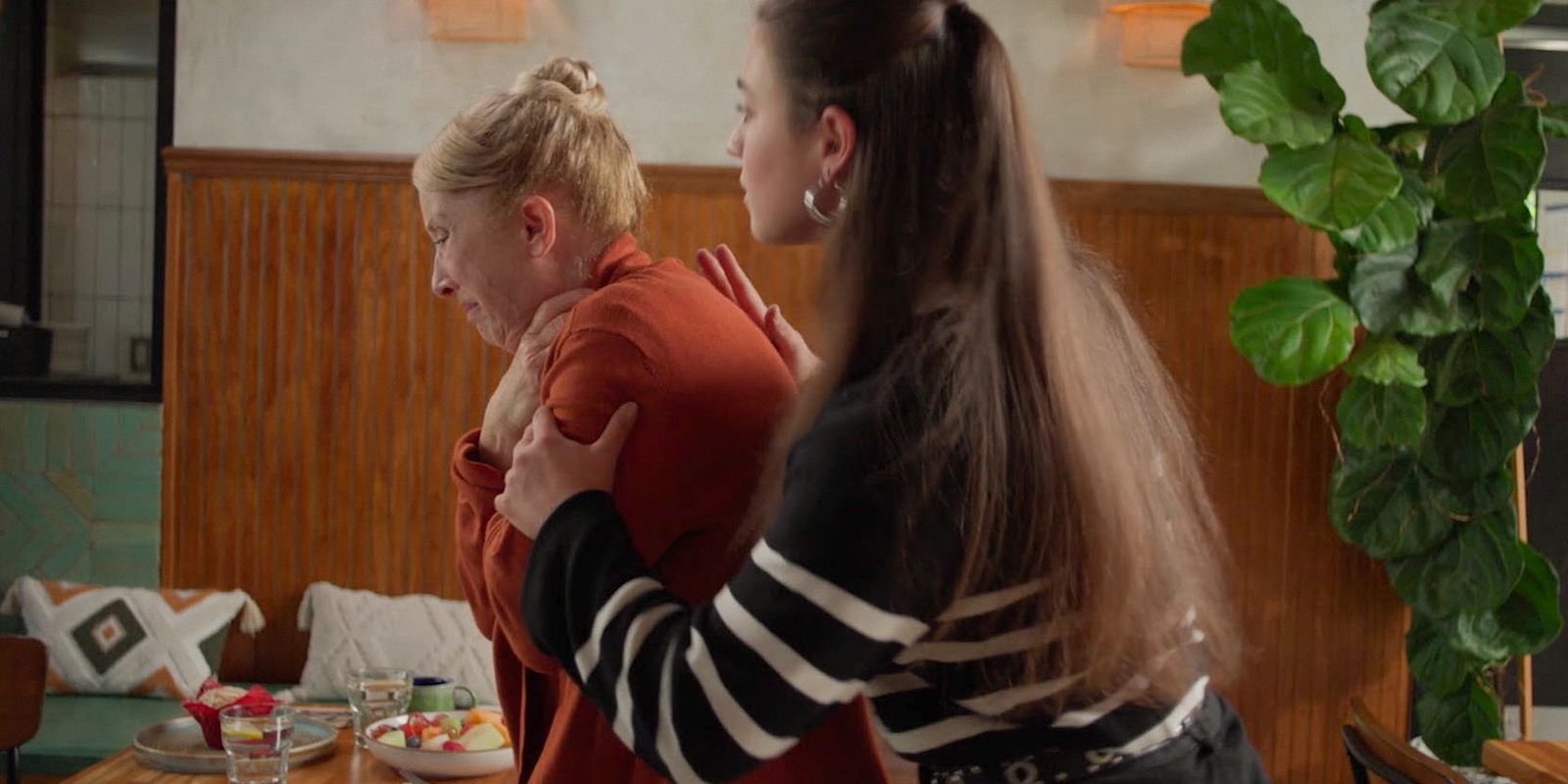
The American Heart Association (AHA), the entity that defines the protocols followed worldwide in first aid, changed, in October, its official guidelines for first aid, cardiopulmonary resuscitation (CPR) and cardiovascular emergencies, emphasizing, mainly, the way to act in cases of choking with airway obstruction, both in babies and children and in conscious adults. 
Previously, the protocol recommended starting directly with abdominal compressions, the so-called Heimlich maneuver. Now, for babies, children and adults alike, the maneuver must be preceded by blows on the back.
Babies
From now on, the recommendation for babies under one year old is to alternate between five blows on the back and five compressions on the chest, using the heel of the palm, until the foreign body is expelled or until the baby loses consciousness. According to the guidance, to start the maneuver it is necessary to check if the baby is really choking, if he cannot cough, cry, breathe, if he changes color or becomes soft.
Noting this, the baby should be supported face down on the forearm, with the head lower than the body. Then, give five firm blows to the back, between the shoulder blades; Turn the baby face up and perform five chest compressions in the center of the chest, with the heel of the palm of your hand.
“Alternate the two movements until the object comes out or the baby loses consciousness. Do not put your fingers in the mouth if the foreign body is not visible,” says the AHA. If the baby faints, resuscitation (CPR) should be started with 30 chest compressions with both thumbs, plus two ventilations.
Older children and adults
For children over one year old and adults, the protocol begins by checking whether there is total obstruction, absence of cough, sound or breathing. Only then should the person position themselves behind the victim, slightly leaning forward, and give five firm blows to the back with the heel of their hand.
“If the object does not come out, perform five abdominal compressions (Heimlich maneuver), make a fist and position it above the navel and below the chest bone, hold the fist with the other hand and press forcefully inwards and upwards, alternating blows and compressions until the object is expelled or the person faints”.
If the victim loses consciousness, it is necessary to lay him down and perform chest compressions at the rate of traditional CPR (100 to 120 per minute).
In the statement, the entity encourages everyone to take a CPR course to be able to act in cases of emergency.
“We know that high-quality CPR saves lives, and we need dedicated support to ensure that everyone who needs high-quality CPR receives it. This starts with learning. We encourage everyone to take a CPR course to learn the skills and techniques needed to provide life-saving care in an emergency. Everyone has a role to play in the chain of survival,” said volunteer chair of the Emergency Cardiovascular Care Scientific Committee at AHA, MD and professor of emergency medicine at Ohio State University, Ashish Panchal.
The new guidelines will be published jointly in the AHA journal Circulation and the American Academy of Pediatrics journal Pediatrics.