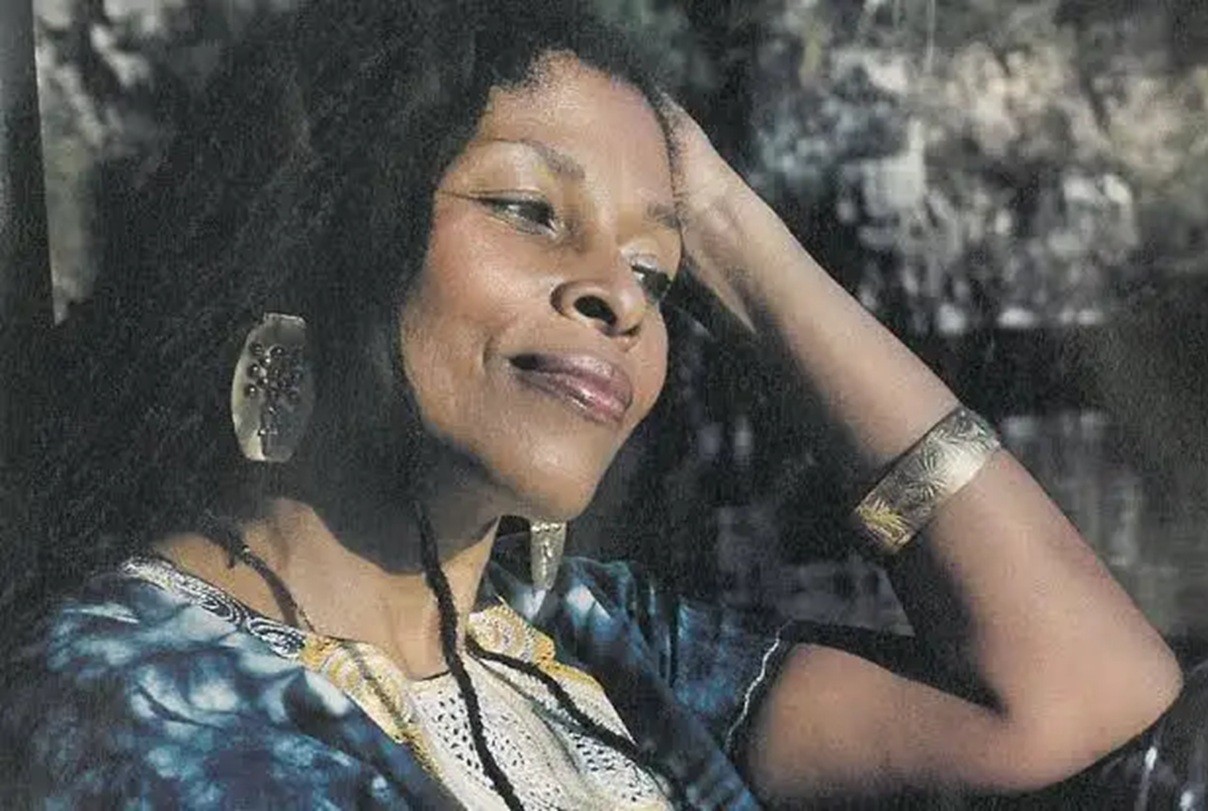
The Government of Cuba reported this Friday of the death of the American Joanne Deborah Byron, Black Expontera known as Assata Shakur, convicted of allegations of killing a policeman in her country half a century ago and refugee from shortly after in Havana.
The Cuban Foreign Ministry reported in a brief press release that the American died “as a consequence of health conditions and their advanced age.” He was 78 years old.
Shakur was another element of friction between Cuba and the USA Washington had claimed his extradition, and Havana had disjointed these requests and granted him political and protected asylum.
On September 25, 2025 he died in Havana, Cuba, the American citizen Joanne Deborah Byron, “Assata Shakur”, as a consequence of health conditions and their advanced age. pic.twitter.com/cnzksfjs7n
– Foreign Ministry of Cuba (@cubaminrex) SEPTEMBER 26, 2025
The Cuban government did not contemplate the return of Byron (also known by the last name of his first husband, Chesimard) even during the approach between the US and Cuba during the Obama era, where he resurfaced again.
The US Secretary of State, Marco Rubio, recently said that Havana gave refuge to terrorists and criminals, including fugitives from the United States, a comment that was understood as a reference, among other people, to Shakur.
Condemn and escape
Shakur, born on July 16, 1947 as Joanne Deborah Byron, was a central figure in the history of African -American liberation movements of the twentieth century in the United States, as well as a member of the Panther Negra Party and the black liberation army, among other organizations.
On May 2, 1973, he was arrested following the death of a state police in New Jersey and accused of multiple crimes, including the murder of the agent.
After a controversial trial, Shakur was convicted and sentenced to life imprisonment in 1977. However, two years later, the racial activist managed to escape the maximum security prison of Hunterdon County (East).
After years as a fugitive, Shakur arrived in Havana in 1984, where he received political asylum in the Cuba of Fidel Castro and the apogee of the cold war.
Byron has resided in Havana since then, under the protection of the Cuban government. The activist fled the public focus and rarely granted interviews. He broke his silence in 1988, when he published the book Assata: an autobiography.
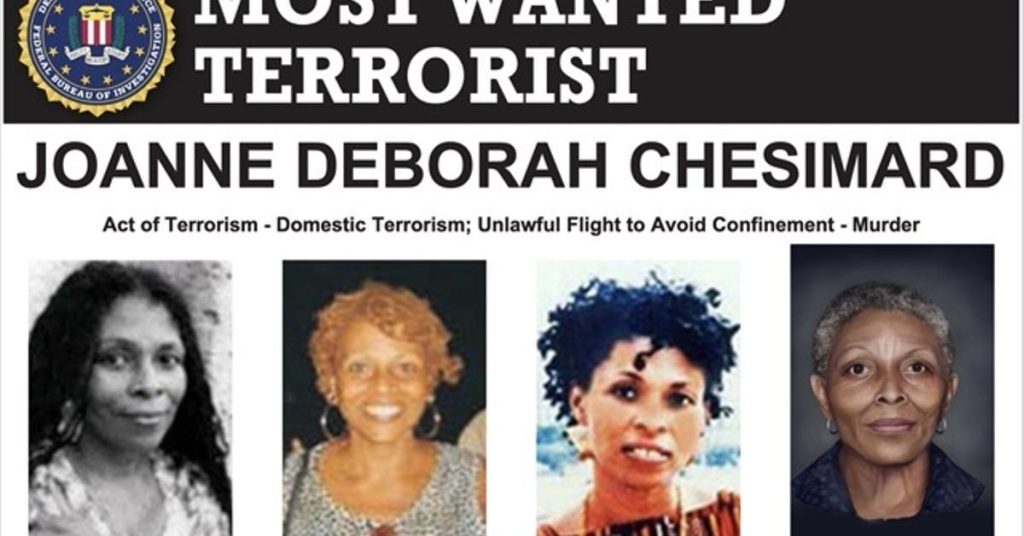
In 2005, the FBI included it in its list of more wanted terrorists, offering a reward for its capture. The amount was currently promoted to two million dollars.
EFE/ONCUBA.